Ceiling Fan Size Guide: How to Choose the Right Fan for Every Room
Author : Charlette Emma | Published On : 24 Sep 2026
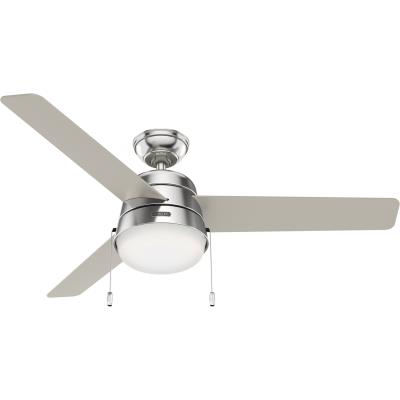
Choosing the right ceiling fan involves more than selecting a design that matches your interior. The size of the room, ceiling height, airflow requirements, lighting needs, and overall style can all influence which fan is most suitable. With so many models available, understanding these factors can make the buying process easier and help homeowners choose a fixture that provides reliable comfort and practical functionality. A well-selected ceiling fan can improve air circulation while also becoming an attractive feature within a room.
Understanding the Right Fan Size for Your Room
One of the first things to consider when choosing a ceiling fan is the size of the room. A fan that is too small may not circulate enough air, while an oversized model can appear disproportionate in a compact space. Measuring the room before shopping provides a useful starting point for determining the appropriate fan size.
Why Ceiling Fan Dimensions Matter
The blade span and overall fixture size can affect how effectively a fan circulates air. When reviewing ceiling fan dimensions, consider the length and width of the room as well as the distance between the fan and surrounding walls or furniture. Small bedrooms and home offices may require compact models, while larger living rooms and open-plan areas can benefit from fans with wider blade spans.
Ceiling height should also be considered when selecting a fan. Standard-height ceilings may work well with traditional downrod installations, whereas high ceilings can require a longer downrod to position the fan correctly. Low ceilings may be better suited to low-profile or flush-mount designs. Following the manufacturer's installation recommendations is important for maintaining suitable clearance and safe operation.
Choosing a Ceiling Fan With Lighting
A ceiling fan can serve more than one purpose when it includes an integrated lighting solution. Combining airflow and illumination can be particularly useful in bedrooms, dining areas, kitchens, and living rooms where both functions are needed. This combination can also help create a cleaner ceiling design by reducing the need for separate fixtures.
When to Consider a Ceiling Fan Light Kit
A ceiling fan light kit can provide convenient overhead illumination while keeping the ceiling area visually organized. Instead of installing a separate ceiling light and fan, homeowners can combine both features in one fixture. When selecting a fan with lighting, consider the size of the room, desired brightness, bulb type, and the overall appearance of the light fixture.
LED lighting is a popular option because it can provide efficient illumination and is available in different colour temperatures. Some modern fan lights also offer dimming capabilities or multiple brightness settings. These features can give homeowners greater control over the atmosphere and functionality of different spaces.
Exploring Different Fan Lighting Styles
Lighting design can have a noticeable impact on the appearance of a ceiling fan. Some homeowners prefer a subtle integrated light, while others may want a more decorative fixture that becomes part of the room's visual design. The right choice depends on the room's existing décor and the type of atmosphere the homeowner wants to create.
A ceiling fan hunter light can be considered by homeowners who want to combine practical illumination with a recognizable ceiling fan style. When comparing different lighting configurations, it is useful to consider how the fixture will coordinate with existing lamps, furniture, finishes, and architectural features. A well-matched light can enhance the appearance of the entire room without making the ceiling fan look out of place.
Finding a Ceiling Fan Style That Matches Your Home
Once size and lighting requirements have been established, appearance becomes another important consideration. Ceiling fans are available in traditional, contemporary, minimalist, industrial, and transitional designs. Blade finishes, motor housings, light fixtures, and control systems can all contribute to the overall look of a room.
Choosing Hunter Ceiling Fans for Different Rooms
When comparing hunter ceiling fans, homeowners can find a variety of designs and configurations suited to different room styles and practical requirements. Depending on the model, features may include integrated lighting, remote controls, different blade finishes, and motor technologies designed for comfortable everyday use.
Rather than choosing a fan based only on appearance, consider how its design and features work with the room. A bedroom may benefit from a quiet model with convenient controls, while a large living area may require stronger airflow and a wider blade span. Matching the fan's size, features, and appearance to the room can create a more comfortable and cohesive space.
What to Consider When Shopping for Fans in Canada
Climate, room design, and personal preferences can influence ceiling fan choices in different regions. When browsing fans Canada, homeowners can compare models based on room coverage, airflow performance, motor efficiency, lighting options, and installation requirements.
Ceiling fans can also complement heating and cooling systems by improving air movement within a room. Although a ceiling fan does not actually reduce the room's temperature, circulating air can create a cooling sensation during warmer conditions. In cooler seasons, some reversible fans can help redistribute warm air that collects near the ceiling.
Energy Efficiency and Everyday Comfort
Energy efficiency is another factor worth considering when purchasing a ceiling fan. Efficient motors can provide consistent airflow while helping manage electricity consumption. Selecting the appropriate fan size is equally important because the fan should be capable of circulating air effectively within the intended space.
Remote controls, wall controls, smart-home compatibility, and adjustable speed settings can also improve everyday convenience. These features allow homeowners to adjust airflow according to changing comfort requirements without repeatedly reaching for the fan itself. Some models may also include timers or automated controls that provide additional flexibility for everyday use.
Installation and Placement Considerations
Proper installation is essential for achieving effective airflow and maintaining safe operation. The fan should be positioned with adequate clearance from walls, furniture, and other ceiling fixtures. Ceiling height should also be considered before installation because the fan should sit at a suitable height for the room.
For larger rooms, homeowners may need to consider whether one fan can provide sufficient air circulation or whether multiple fixtures would be more appropriate. Reviewing manufacturer recommendations and installation instructions can help ensure the selected fan is suitable for the space.
Final Tips for Choosing the Right Ceiling Fan
Choosing a ceiling fan becomes easier when size, lighting, design, and room requirements are considered together. Start by measuring the room and reviewing suitable ceiling fan dimensions. Next, determine whether a ceiling fan light kit would provide useful illumination and consider lighting styles such as a ceiling fan hunter light.
Homeowners can then explore designs such as hunter ceiling fans and compare available fans Canada options according to airflow, motor performance, controls, lighting, and installation requirements. By evaluating these factors before making a purchase, homeowners can select a ceiling fan that complements their interior while providing practical airflow and comfortable everyday performance.
