Carbon Steel Pipes: A Complete Guide to Industrial Applications and Material Selection
Author : BRIGHT STEEL CENTRE | Published On : 04 Nov 2026
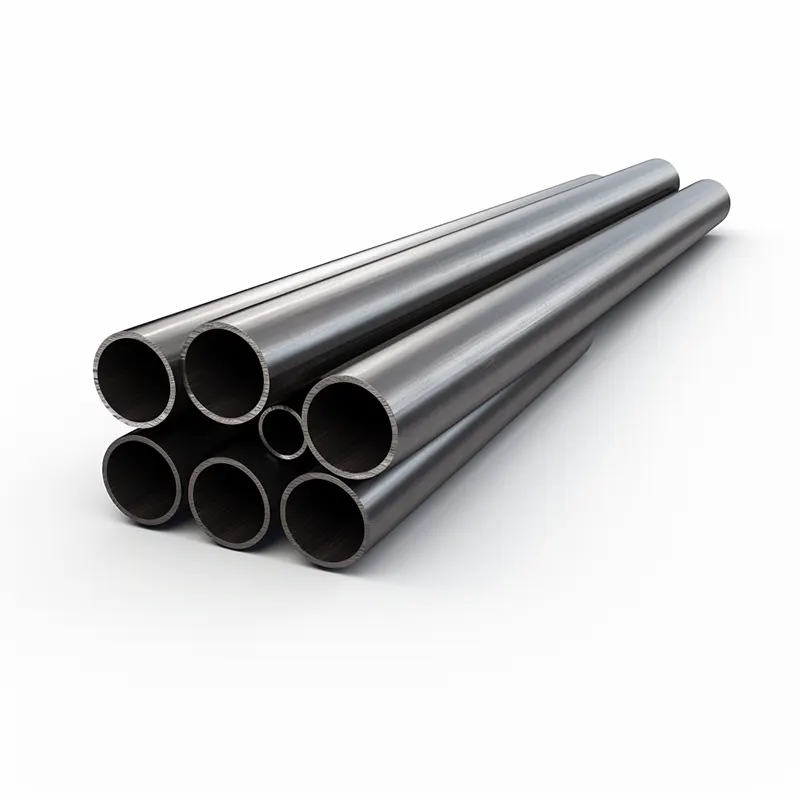
Carbon steel pipes are essential components in industrial infrastructure because of their strength, durability, and ability to transport liquids and gases under different operating conditions. They are widely used in oil and gas facilities, power plants, chemical processing units, construction projects, and water distribution systems. Choosing the right material specification helps improve operational safety and long-term performance. Bright Steel Centre supports industrial requirements with carbon steel piping solutions designed for different applications. A reliable Carbon Steel Pipes Manufacturer in India can help buyers identify suitable pipe grades, dimensions, and specifications for their projects. Working with an experienced Carbon Steel Pipes supplier in India also helps businesses source products according to their technical requirements and delivery schedules.
Seamless Pipes and Low-Temperature Applications
Seamless carbon steel pipes are manufactured without a welded seam, making them suitable for many demanding industrial applications. Their performance depends on the material grade, wall thickness, manufacturing process, and operating conditions. These pipes are commonly used in refineries, process plants, and industrial systems where consistent mechanical properties are important. A Carbon Steel Seamless Pipes Manufacturer supplies products for applications requiring dependable strength and dimensional accuracy. For environments exposed to very low temperatures, engineers must consider material toughness and impact-test requirements before selecting a pipe. A Low Temperature Carbon Steel Pipes Manufacturer can provide suitable grades designed for specified low-temperature service. ASTM A333 Grade 6 and other applicable specifications may be considered according to the project's temperature and pressure requirements.
Common Pipe Standards and Their Industrial Uses
Industry standards help buyers identify the properties, manufacturing requirements, and intended applications of carbon steel pipes. ASTM specifications cover different product types, including seamless pipes, welded pipes, and pipes designed for particular service conditions. Understanding these differences helps engineers make informed purchasing decisions.
Two important specifications include:
-
ASTM A53 Grade B: Commonly used for general-purpose piping, including water, air, and gas transportation, subject to the applicable service conditions.
-
ASTM A106 Grade B: A seamless carbon steel pipe specification commonly used for high-temperature service in industrial processing facilities.
-
ASTM A333 Grade 6: Designed for specified low-temperature applications where appropriate toughness and testing requirements must be satisfied.
-
ASTM A671: Covers electric-fusion-welded steel pipe manufactured from pressure-vessel-quality plate for specified atmospheric and lower-temperature service conditions.
A Carbon Steel IBR Approved Pipes Manufacturer can help buyers source products for boiler-related projects where Indian Boiler Regulations apply. However, buyers should verify the required approvals and documentation for the specific application. An ASTM A53 Gr. B Carbon Steel Pipes Manufacturer can supply products intended for general piping applications that match the relevant project specification.
High-Temperature Performance and Material Selection
High-temperature industrial systems require pipes selected according to operating pressure, temperature, mechanical properties, and applicable engineering codes. Refineries, thermal power plants, petrochemical facilities, and steam distribution networks rely on suitable piping materials to maintain dependable operations. Material selection should always consider the complete operating environment rather than strength alone.
An ASTM A106 Gr. B Carbon Steel Pipes Manufacturer supplies seamless pipe products commonly specified for high-temperature industrial services. Before purchasing, engineers should confirm the required grade, nominal pipe size, schedule, dimensional tolerances, and inspection requirements.
For projects operating under demanding conditions, buyers should also consider:
-
Operating temperature: Confirm the maximum and minimum service temperatures.
-
Working pressure: Select the appropriate wall thickness and material specification.
-
Corrosion conditions: Evaluate the fluid composition and whether protective measures are required.
-
Welding requirements: Check weldability, fabrication procedures, and inspection needs.
-
Documentation: Verify material test certificates, traceability, and applicable inspection records.
Correct material selection can reduce maintenance difficulties and support the safe operation of industrial piping networks.
Welded Carbon Steel Pipes and Project Requirements
Welded carbon steel pipes are manufactured by forming steel plate or strip into a tubular shape and joining the edges through a suitable welding process. Depending on the manufacturing method, diameter, wall thickness, and specification, welded pipes can be suitable for large-scale industrial installations and infrastructure projects.
An ASTM A671 Carbon Steel Pipes Manufacturer supplies electric-fusion-welded pipes manufactured to the applicable specification for designated service conditions. The exact grade, class, and testing requirements should be confirmed before ordering.
Similarly, an STM A671 CC60 Carbon Steel Pipes Manufacturer is a keyword often used by buyers searching for CC60-grade welded piping. The standard designation should be written correctly as ASTM A671 CC60, with the required class specified according to the project documentation. These pipes may be considered for suitable pressure and temperature applications when their material, manufacturing, and inspection requirements match the engineering design.
When evaluating suppliers, buyers should compare technical compliance, product availability, dimensional accuracy, traceability, and delivery commitments. A detailed purchase specification helps prevent material mismatches and delays during installation.
Key Benefits of Carbon Steel Pipes
Carbon steel pipes offer several practical advantages across industrial sectors:
-
High strength: Suitable grades provide the mechanical strength required for many industrial piping systems.
-
Versatile applications: Available specifications support general service, high-temperature duties, and selected low-temperature applications.
-
Fabrication suitability: Many grades can be cut, formed, and welded using appropriate procedures.
-
Cost-effectiveness: Carbon steel can provide an economical solution for projects where its properties meet the design requirements.
-
Broad availability: Multiple sizes, schedules, and manufacturing options support different engineering needs.
-
Long service potential: Appropriate material selection, installation, inspection, and maintenance can help extend service life.
Carbon steel is not automatically suitable for every environment. Corrosion protection, fluid compatibility, and operating conditions must be assessed before finalizing the material.
Frequently Asked Questions (FAQs)
1. What are carbon steel pipes used for?
They are used in oil and gas pipelines, refineries, power plants, construction, water systems, and industrial process networks.
2. What is the difference between ASTM A53 and ASTM A106 pipes?
ASTM A53 covers seamless and welded pipe for general and certain mechanical or pressure applications. ASTM A106 covers seamless carbon steel pipe intended for high-temperature service.
3. Which carbon steel pipe is suitable for low-temperature applications?
ASTM A333 Grade 6 is a commonly specified option. The final selection depends on the minimum design temperature, impact-testing requirements, and applicable engineering standards.
Conclusion
Carbon steel pipes play an important role in industrial operations by providing practical solutions for fluid transportation, process systems, and infrastructure development. Understanding pipe grades, manufacturing methods, temperature limits, and applicable standards helps businesses choose suitable materials for their requirements. Careful supplier evaluation and verification of technical documentation can further support project quality, safety, and dependable performance.
