Car AC Repair Guide: Common Problems, Causes, and Solutions
Author : claire adams | Published On : 17 Aug 2026
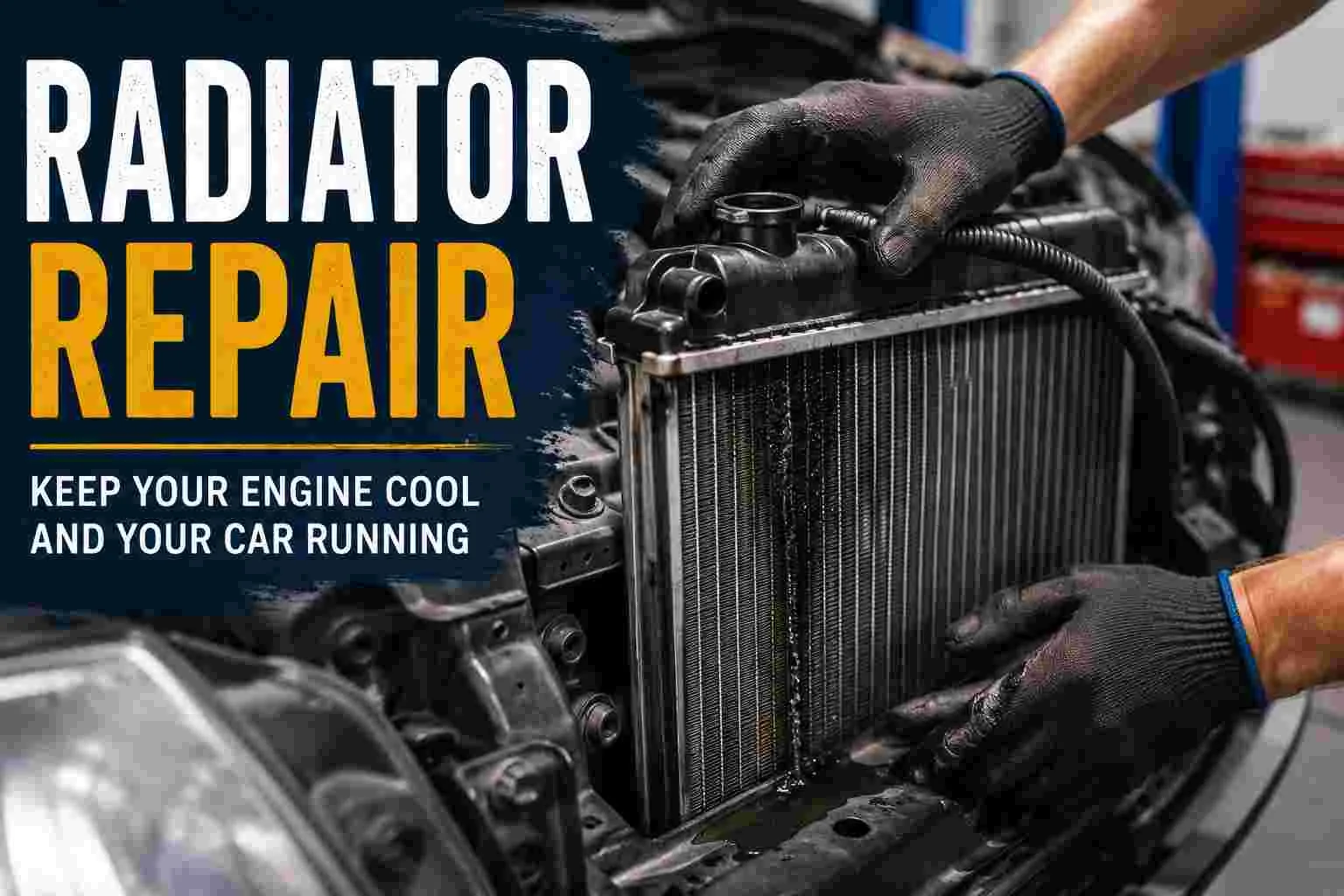
A reliable air conditioning system can make a major difference when you are driving through hot weather, especially during long commutes or busy city traffic. Car AC Repair becomes necessary when the system stops cooling properly, produces unusual sounds, or starts blowing warm air. While some AC problems are minor, others can point to refrigerant leaks, electrical faults, compressor damage, or restricted airflow. Understanding the common causes can help you recognize trouble early and avoid more expensive repairs later.
How Does a Car AC System Work?
Your vehicle's air conditioning system is made up of several components that work together to remove heat from the cabin. The main parts include the compressor, condenser, evaporator, expansion valve or orifice tube, blower motor, refrigerant, and various hoses and electrical controls.
The compressor circulates refrigerant through the system. As the refrigerant moves through the condenser, heat is released. It then passes through the expansion device before reaching the evaporator, where it absorbs heat from the air inside the vehicle. The blower pushes that cooled air through the vents and into the cabin.
If one component develops a fault, the entire system can be affected. That is why identifying the underlying problem is more useful than simply adding refrigerant and hoping the cooling returns.
1. AC Is Blowing Warm Air
Warm air from the vents is one of the most obvious signs of an AC problem. You may notice that the air starts cool and gradually becomes warm, or the system may produce warm air from the beginning.
Common causes include:
- Low refrigerant
- A refrigerant leak
- A failing compressor
- A damaged condenser
- Electrical problems
- A malfunctioning pressure switch
- A blocked expansion valve
Low refrigerant is particularly common, but it should not be treated as something that simply needs topping off repeatedly. Refrigerant does not normally disappear from a properly sealed system. If the level is low, there may be a leak somewhere in the system.
A technician can check refrigerant pressure and inspect the system for leaks before deciding on the appropriate repair.
2. Weak Airflow From the Vents
Sometimes the AC produces cold air, but very little of it actually reaches the cabin. Weak airflow can make the vehicle feel uncomfortable even when the cooling system itself is working.
A clogged cabin air filter is one possible cause. The filter catches dust, pollen, dirt, and other particles before they enter the passenger compartment. When it becomes heavily clogged, airflow can drop significantly.
Other possible causes include:
- A failing blower motor
- Blocked or damaged air ducts
- Debris around the evaporator
- Problems with the blower motor resistor
- A malfunctioning ventilation door
Replacing a dirty cabin filter may solve the issue in some cases. If airflow remains weak afterward, further inspection is necessary.
3. Unusual Noises When the AC Is Running
Your vehicle's AC should not produce loud grinding, squealing, rattling, or knocking sounds. Strange noises can provide useful clues about the source of a problem.
A squealing noise may be related to a worn belt or a component driven by the belt. Grinding or knocking could indicate internal compressor damage. Rattling may come from loose components, debris, or a failing part elsewhere in the system.
Ignoring an unusual noise is risky because a small mechanical problem can sometimes lead to more extensive damage. For example, a compressor beginning to fail may eventually send metal debris through the AC system, potentially requiring several components to be cleaned or replaced.
4. AC Works Sometimes but Not Consistently
Intermittent cooling can be frustrating because the system may appear to work normally one moment and stop cooling later.
Electrical problems are one possible explanation. Loose connections, damaged wiring, faulty relays, pressure switches, or control module issues can interrupt compressor operation.
A weak compressor clutch or excessive system pressure can also cause the compressor to switch on and off unexpectedly. In some cases, the problem becomes more noticeable when the engine reaches operating temperature or when the vehicle is sitting in traffic.
Because intermittent problems can be difficult to reproduce, it helps to tell the technician exactly when the issue occurs. Mention whether it happens during idling, highway driving, hot afternoons, or after the vehicle has been running for a certain amount of time.
5. Refrigerant Leaks
Refrigerant leaks are among the most common reasons an AC system loses cooling performance. A leak can occur in a hose, connection, condenser, evaporator, compressor seal, or another component.
Some leaks are easy to locate, while others can be difficult to identify because the refrigerant may escape from a small opening. Professional technicians may use pressure testing, leak-detection methods, or specialized equipment to locate the problem.
Simply adding refrigerant without repairing the leak may provide temporary cooling, but the problem will return. Continued refrigerant loss can also put additional strain on the compressor.
6. Bad Smell Coming From the AC
A musty or unpleasant smell from the vents is another problem drivers should not overlook. Moisture naturally collects in parts of the AC system, and that moisture can create an environment where mold, bacteria, and other contaminants accumulate.
A dirty cabin air filter can contribute to unpleasant odors. The evaporator and surrounding areas can also collect moisture and debris.
Keeping the cabin air filter changed at appropriate intervals can help maintain cleaner airflow. If an odor remains, the ventilation system may require cleaning or inspection.
If you notice a sweet smell rather than a musty smell, the cause may be different. A sweet odor can sometimes be associated with coolant entering the HVAC system, which may indicate a heater core or cooling-system problem rather than a simple AC issue.
7. Water Leaking Inside the Vehicle
Water dripping underneath a vehicle after using the AC is generally normal. The system removes humidity from the air, and that moisture is designed to drain outside through the condensate drain.
However, water appearing inside the cabin is different.
A blocked AC drain can cause condensation to back up and enter the passenger compartment. You may notice wet carpeting, damp floor mats, or moisture around the front footwells.
A clogged drain should be addressed before moisture creates additional problems such as unpleasant odors, mold growth, or damage to interior materials.
8. AC Compressor Problems
The compressor is often considered the heart of the air conditioning system because it circulates refrigerant throughout the circuit. When it fails, cooling performance can drop dramatically.
Compressor problems may develop because of normal wear, inadequate lubrication, contaminated refrigerant, electrical faults, or prolonged operation with low refrigerant.
Signs of compressor trouble can include unusual noises, poor cooling, cycling problems, or a compressor clutch that does not engage.
Replacing a compressor is usually more involved than changing a cabin filter or addressing a minor electrical connection. A proper diagnosis is important because other faults can sometimes prevent the compressor from operating even when the compressor itself is not defective.
9. Electrical Problems Can Affect AC Performance
Modern vehicles rely heavily on electrical controls to manage air conditioning. A blown fuse, faulty relay, damaged wiring, bad sensor, or control-panel problem can prevent the AC from working correctly.
For example, the compressor may be mechanically sound but fail to turn on because it is not receiving the proper electrical signal.
Electrical diagnosis requires more than replacing random components. Testing voltage, continuity, switches, relays, and related circuits can help identify the actual fault and prevent unnecessary parts replacement.
How to Prevent Major AC Problems
Regular maintenance can reduce the likelihood of unexpected AC failures. A few simple habits can make a difference:
Replace the Cabin Air Filter
Check the filter according to the vehicle manufacturer's maintenance recommendations. Drivers who frequently travel through dusty areas may need more frequent replacement.
Run the AC Regularly
Using the AC periodically, even during cooler months, allows the system to circulate refrigerant and lubricant through its components.
Pay Attention to Changes
Do not ignore weaker airflow, strange noises, unusual smells, or cooling that gradually becomes less effective. Small changes can provide an early warning that something needs attention.
Keep the Condenser Area Clean
Leaves, dirt, insects, and road debris can collect around the condenser at the front of the vehicle. Heavy blockage can reduce airflow and affect heat transfer.
Do Not Ignore Leaks
If refrigerant is repeatedly low, find out why. Recharging the system over and over without locating the source does not address the underlying problem.
When Should You Take Your Car to a Professional?
Some basic maintenance tasks, such as replacing a cabin air filter, may be straightforward for many vehicle owners. AC diagnosis and refrigerant-related work are different.
If the system is blowing warm air, repeatedly losing refrigerant, making mechanical noises, leaking inside the cabin, or switching on and off unexpectedly, professional inspection is a sensible choice.
A technician can inspect pressures, electrical components, compressor operation, airflow, and potential leaks to determine what is actually wrong. Accurate diagnosis can save money by preventing unnecessary replacement of parts that are still working properly.
Frequently Asked Questions About Car AC Repair
How often should a car AC system be serviced?
There is no single service interval that applies to every vehicle. Follow the manufacturer's maintenance recommendations and have the system inspected when cooling performance changes or other symptoms appear.
Why is my car AC blowing warm air?
Low refrigerant, leaks, compressor problems, electrical faults, condenser issues, and expansion-device problems can all cause warm air. A proper diagnosis is needed to determine the exact cause.
Can I just add refrigerant myself?
Adding refrigerant without checking the system can mask a leak or lead to incorrect system pressure. If the refrigerant level is low, it is better to determine why before recharging the system.
Why does my AC smell bad?
Musty smells are often associated with moisture, bacteria, mold, a dirty cabin filter, or contamination around the evaporator and HVAC system. A persistent odor should be inspected.
Why is water leaking from my dashboard area?
Water inside the cabin may indicate a blocked condensate drain. Since continued moisture can damage carpeting and contribute to mold or odors, the drain should be checked.
Is a noisy AC compressor serious?
It can be. Grinding, knocking, or severe squealing may indicate mechanical problems with the compressor or related components. Early inspection may help prevent additional damage.
Can a dirty cabin filter affect AC cooling?
Yes. A heavily clogged filter can restrict airflow, making the AC seem less effective even when the refrigeration system is functioning correctly.
Final Thoughts
A vehicle's air conditioning system has several interconnected parts, so a cooling problem is not always caused by one obvious component. Warm air, weak airflow, strange noises, bad smells, water inside the cabin, and inconsistent performance can all point to different issues. Paying attention to these warning signs and dealing with problems before they become severe can help maintain comfortable and reliable driving. When your vehicle needs professional auto ac repair, proper diagnosis is the best starting point for finding the real cause and choosing the right solution.
