Capital Allocation in 2026: Balancing Immediate Margins vs Digital Infrastructure
Author : Shawn Fisher | Published On : 06 Oct 2026
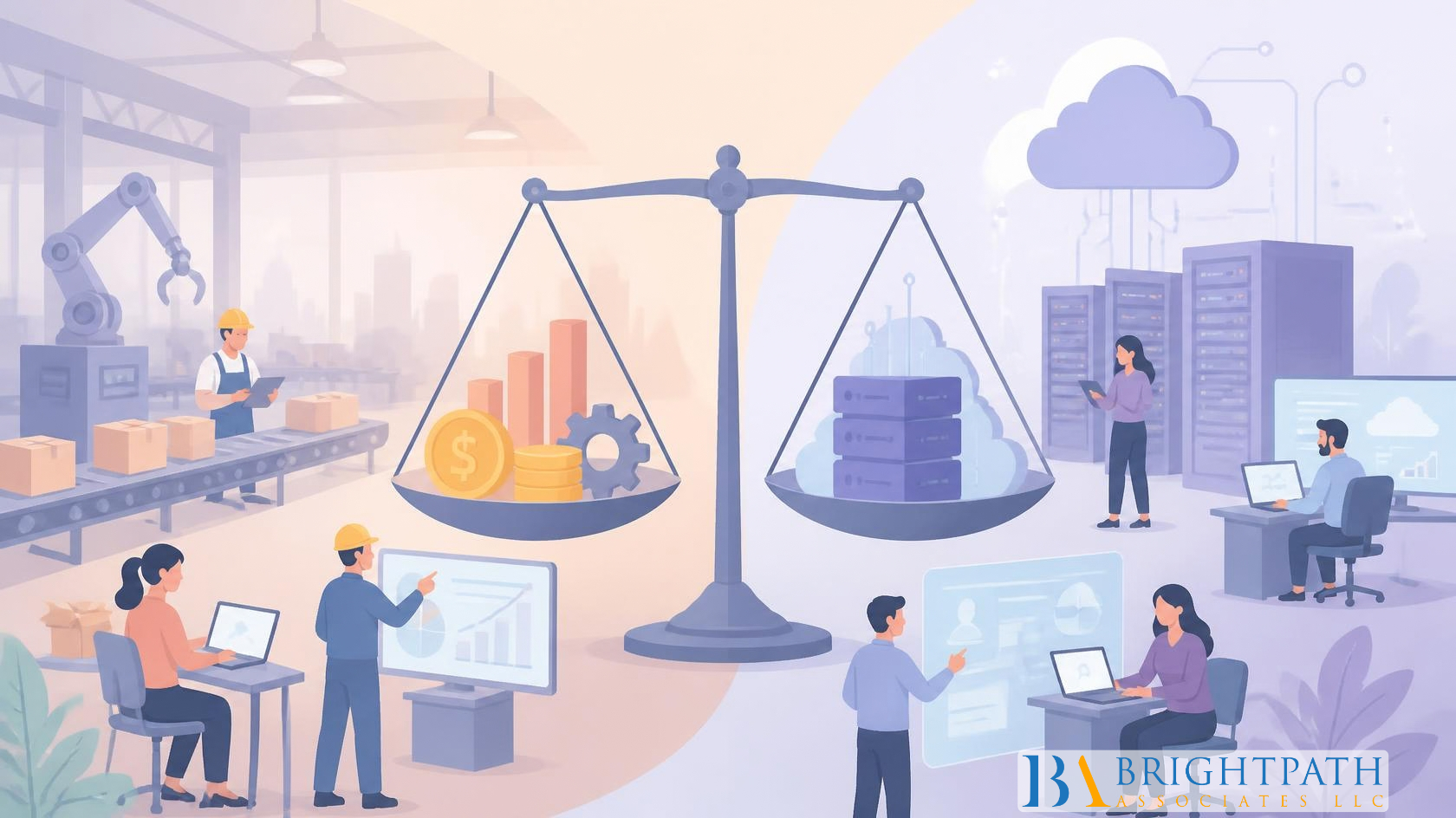
For building materials manufacturers and distributors, capital allocation has become more complicated than simply deciding where to spend money. Companies must protect margins today while investing in technologies and capabilities that may determine their competitiveness several years from now.
Energy costs, transportation expenses, labor shortages, fluctuating raw material prices, changing construction demand, sustainability expectations, and evolving regulations are all influencing investment decisions. At the same time, automation, artificial intelligence, predictive maintenance, connected equipment, digital procurement, and advanced analytics are creating new opportunities to improve productivity.
For companies operating across the Building Materials Industry, finding that balance is becoming a strategic leadership responsibility.
The Problem With Focusing Only on Immediate Margins
When margins come under pressure, executives naturally look for quick opportunities to reduce expenses. Procurement negotiations, inventory reductions, energy management, workforce optimization, logistics improvements, and production efficiencies can all generate relatively fast financial benefits.
Reducing inventory too aggressively may improve working capital while increasing the risk of stockouts. Delaying equipment replacement may preserve cash temporarily but increase maintenance expenses and downtime. Cutting technology spending may protect this year's budget while leaving the organization dependent on inefficient manual processes.
The challenge is therefore not choosing between financial discipline and investment. It is determining which savings strengthen the company's future position and which merely postpone necessary spending.
Digital Infrastructure Can Become a Financial Asset
Digital transformation is often discussed as a technology initiative, but building materials companies should evaluate it through a financial lens. In other words, digital infrastructure can sometimes allow companies to extract more value from the assets they already own.
Consider inventory management. A company does not necessarily need to choose between holding excessive inventory and risking product shortages. Digital inventory systems, demand forecasting, automated replenishment, and supplier integration can provide greater visibility into where inventory is creating value and where it is tying up capital unnecessarily.
Connected manufacturing systems can provide information about equipment utilization, production output, quality, energy consumption, and maintenance requirements. That information can help management identify opportunities to improve existing assets before investing in additional physical capacity.
Automation Should Be Judged by Total Economic Impact
Automation investments should not be justified solely through labor savings. For a concrete manufacturer, for example, automated batching may improve material accuracy and reduce waste. Connected equipment may provide early warnings about maintenance problems. Better scheduling can improve asset utilization and reduce idle time.
The financial return can therefore come from multiple sources: higher throughput, less waste, fewer breakdowns, improved consistency, lower maintenance expenses, and better scheduling.
The same logic applies to lumber and other material-intensive businesses. Digital scanning and production technologies can help manufacturers understand material characteristics and improve yield from available resources.
Sustainability Investments Need a Business Case
Sustainability is also becoming part of capital allocation decisions. Building materials companies are facing growing expectations around energy consumption, carbon emissions, waste reduction, responsible sourcing, and circular material use. Sustainability investments can therefore appear to be another category competing for limited capital.
But many sustainability initiatives can also generate direct operational benefits. Energy-efficient equipment can reduce utility expenses. Waste reduction can decrease material purchases and disposal costs. Recycling infrastructure can recover materials that might otherwise become waste. Better resource tracking can reveal inefficiencies that traditional accounting systems may not capture.
The strongest sustainability investments are therefore those that connect environmental improvement with operating economics. This approach can make it easier for executives to justify investments because the business case is based on more than environmental objectives alone.
Building Materials Leaders Need a New Capital Mindset
The central question for executives is no longer whether to prioritize margins or digital transformation. It is how to make today's margin improvements support tomorrow's digital capabilities.
The companies best positioned for the future may be those that use short-term efficiency gains to create financial capacity for carefully selected technology investments. They can improve procurement and inventory while building better data systems. They can reduce energy consumption while modernizing equipment. They can improve productivity while investing in workforce capabilities.
For a deeper look at this strategic challenge, explore Capital Allocation in 2026: Balancing Immediate Margins vs. Digital Infrastructure. Ultimately, successful capital allocation is not about spending more. It is about spending with greater strategic precision.
The answer will vary by company, market, and operating model. But one factor remains consistent: organizations need capable leaders who can connect financial strategy with technology, operations, sustainability, and growth.
