Canned Seafood Market Challenges: Navigating Supply, Cost, and Sustainability Pressures
Author : Meera Anand | Published On : 15 Sep 2026
Introduction
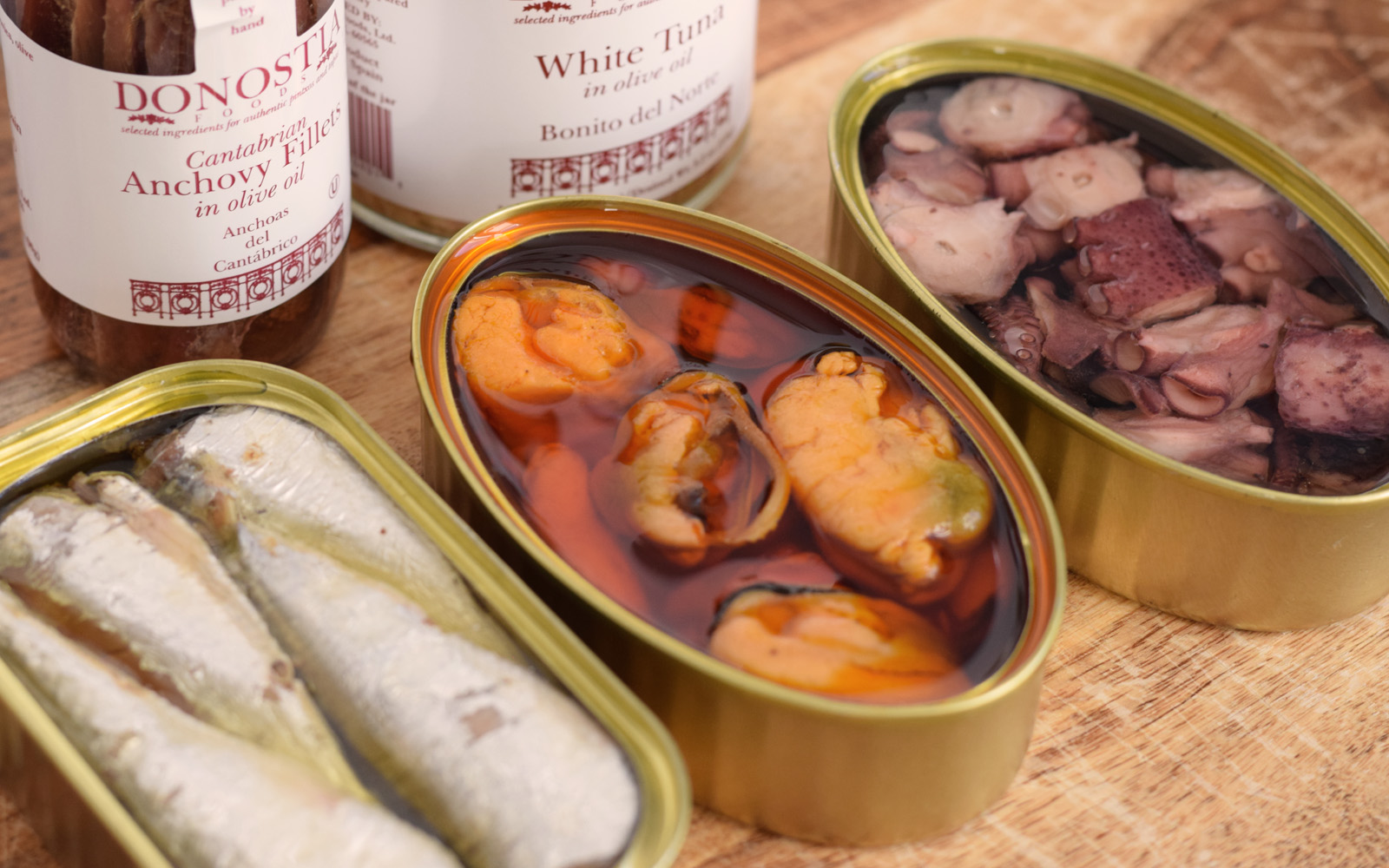
The Canned Seafood Market has developed into an important segment of the global food industry, supported by the demand for convenient, shelf-stable, nutritious, and relatively affordable protein products. Canned tuna, salmon, sardines, mackerel, anchovies, shrimp, crab, and other seafood products serve households, foodservice operators, retailers, and institutional buyers. Their long shelf life and easy storage make them particularly valuable in regions where refrigeration infrastructure or fresh seafood availability may be limited.
Despite these advantages, the Canned Seafood Market faces a complex set of challenges. Producers operate within an industry heavily dependent on marine ecosystems, international supply chains, energy-intensive processing, packaging materials, regulatory requirements, and changing consumer expectations. Fluctuations in fish availability, rising production costs, sustainability concerns, and competitive pressure can all affect profitability and long-term growth.
Understanding these challenges is essential for manufacturers and other industry participants seeking to strengthen supply security, maintain product quality, and respond effectively to changing market conditions.
Fluctuating Seafood Supply
One of the most significant challenges for canned seafood producers is the variability of raw material supply. Seafood production depends on naturally occurring marine resources, making it more vulnerable to environmental changes than many land-based food industries.
Changes in ocean temperatures, marine pollution, habitat degradation, changing migration patterns, and extreme weather can influence fish populations and fishing conditions. When catches decline, processors may face difficulties securing sufficient volumes of suitable raw materials.
Supply fluctuations can also create inconsistencies in production planning. Manufacturers that depend heavily on particular species may need to adjust procurement strategies when catches fall below expectations. Limited availability can increase competition among processors and place upward pressure on raw material prices.
Rising Raw Material and Processing Costs
Cost inflation represents another major challenge for the Canned Seafood Market. Fish procurement is only one component of total production expenditure. Companies must also manage costs related to labor, transportation, fuel, electricity, water, processing equipment, packaging, warehousing, and compliance.
Fishing operations themselves can become more expensive when fuel prices increase. Higher transportation costs can then affect the movement of seafood from fishing locations to processing facilities and eventually to international markets.
For manufacturers, the difficulty lies in balancing cost increases against consumer price sensitivity. Passing the entire increase to customers can weaken demand, while absorbing higher costs can reduce margins. This creates continuous pressure to improve production efficiency and optimize procurement.
Sustainability and Resource Management
Sustainability has become a central issue for seafood businesses. Consumers, retailers, regulators, and institutional purchasers increasingly expect seafood to come from responsibly managed fisheries and supply chains.
Overfishing, illegal fishing, bycatch, habitat damage, and inadequate fisheries management can create reputational and commercial risks. Companies that cannot demonstrate responsible sourcing may experience difficulty accessing certain retailers or markets.
The challenge is particularly significant because sustainability requirements can differ across countries and customer groups. Producers must understand fishing practices, sourcing locations, species characteristics, and supply-chain documentation while maintaining commercially viable operations.
For the Canned Seafood Market, sustainable sourcing is therefore not simply an environmental consideration. It is becoming an important factor in brand reputation, market access, procurement decisions, and long-term supply security.
Packaging Costs and Environmental Concerns
Canning provides seafood with extended shelf life and strong protection against contamination, but packaging presents its own challenges. Metal cans require substantial amounts of industrial materials and energy during manufacturing.
Steel and aluminum prices can fluctuate considerably, affecting production costs. In addition, transportation costs can rise because canned products are relatively heavy compared with some alternative packaged foods.
Environmental expectations are creating additional pressure. Consumers and retailers increasingly examine the recyclability, material efficiency, and overall environmental footprint of food packaging. Producers may therefore need to invest in lightweight containers, improved coatings, recyclable materials, or alternative packaging formats.
However, packaging innovation must preserve essential characteristics such as food safety, durability, shelf stability, and resistance to corrosion. Finding a balance between environmental performance and technical reliability can be difficult.
Complex Regulatory Requirements
Seafood products are subject to extensive food safety and labeling requirements. Regulations may cover species identification, processing conditions, allergen declarations, country-of-origin information, nutritional labeling, contaminants, traceability, packaging, and storage.
Requirements can vary between countries, creating additional complexity for companies involved in international trade. A product designed for one market may require changes before it can be sold in another.
Maintaining compliance requires investment in testing, documentation, quality management systems, personnel training, and production controls. Smaller manufacturers can face a particularly heavy burden because they may have fewer resources available for regulatory management.
Supply Chain Disruptions
The international nature of seafood sourcing makes the Canned Seafood Market vulnerable to logistical disruptions. Products and raw materials may travel through multiple ports, processing centers, warehouses, and distribution networks before reaching consumers.
Port congestion, transportation shortages, geopolitical instability, trade restrictions, extreme weather, and infrastructure problems can interrupt this flow. Even temporary delays can affect inventory levels and delivery schedules.
Seafood companies therefore need greater supply-chain visibility and flexibility. Depending excessively on a single fishing region, supplier, processing facility, or transportation route can increase vulnerability when unexpected disruptions occur.
Changing Consumer Preferences
Canned seafood has traditionally been associated with convenience and affordability, but modern consumers increasingly seek products that align with broader lifestyle preferences. Demand for clean-label foods, convenient high-protein products, responsibly sourced seafood, reduced-sodium options, and premium ingredients is influencing product development.
At the same time, some consumers perceive canned foods as less fresh or less sophisticated than refrigerated or fresh alternatives. This perception can limit growth among certain demographic groups.
Manufacturers must therefore communicate the nutritional, convenience, shelf-life, and culinary benefits of canned seafood while developing products that meet changing expectations.
Competition from Alternative Protein Products
Canned seafood competes not only with fresh and frozen seafood but also with poultry, meat, plant-based proteins, ready-to-eat meals, and other shelf-stable foods.
Consumers have numerous options for convenient protein, increasing the need for differentiation. Price, taste, nutrition, convenience, packaging, brand reputation, and sustainability can all influence purchasing decisions.
Companies that compete primarily on price may face margin pressure, while premium positioning requires investment in quality, branding, sourcing, and product innovation.
Quality and Food Safety Risks
Maintaining consistent quality is essential in seafood processing. Variations in raw material freshness, processing conditions, storage environments, or handling practices can affect the final product.
Food safety incidents can have particularly severe consequences because they may damage consumer confidence and create regulatory or financial repercussions. Manufacturers must maintain rigorous controls throughout receiving, processing, cooking, filling, sealing, sterilization, storage, and distribution.
Traceability is also increasingly important. Companies need reliable systems for identifying the origin and movement of raw materials and finished products. Building such systems can require substantial technological and organizational investment.
Labor and Operational Challenges
Canned seafood production requires skilled workers across processing, quality control, maintenance, logistics, and management functions. Labor shortages can disrupt production schedules and increase operating expenses.
Processing facilities may also require specialized equipment and regular maintenance. Aging machinery can reduce efficiency, increase downtime, and raise energy consumption. Modernizing facilities can improve productivity, but capital investment can be challenging, particularly for smaller producers.
Automation offers a potential solution, but introducing automated sorting, filling, inspection, packaging, and inventory systems requires investment and technical expertise.
Price Sensitivity and Margin Pressure
Many canned seafood products compete in value-oriented food categories, making consumers sensitive to price increases. When raw materials, packaging, energy, and transportation become more expensive, manufacturers may struggle to maintain competitive retail prices.
Retailers can also exert pressure on suppliers through promotional requirements and purchasing negotiations. This can make it difficult for producers to fully recover rising costs.
Developing premium varieties, differentiated flavors, convenient formats, and specialized products can provide opportunities to improve margins, but these strategies require careful evaluation of consumer demand.
Conclusion
The Canned Seafood Market faces challenges extending from marine resource availability to manufacturing economics, sustainability, regulation, consumer behavior, and international logistics. Fluctuating catches and raw material prices can create supply uncertainty, while packaging expenses, labor requirements, and energy costs influence production profitability. At the same time, sustainability expectations and increasingly sophisticated consumer preferences are reshaping how seafood products are sourced, manufactured, packaged, and marketed.
Addressing these pressures will require a combination of responsible resource management, diversified sourcing, efficient production, stronger supply-chain planning, packaging innovation, regulatory preparedness, and continuous product development. Companies that can maintain quality while controlling costs and demonstrating responsible practices will be better positioned to navigate industry uncertainty.
As the food industry continues to prioritize convenience, nutrition, shelf stability, and sustainability, overcoming these challenges can become an important pathway for strengthening the long-term resilience and competitiveness of the Canned Seafood Market.
