Can You Build an Off Grid Home Without Permits? What to Know
Author : Solar Estique | Published On : 07 Aug 2026
Many homeowners dream of living independently with solar power, battery storage, and minimal reliance on utility companies. Before starting such a project, one common question, can you build an off grid home without permits? The answer depends on your location, local building regulations, and the type of work being performed. Even if your home is not connected to the electrical grid, permits may still be required for construction, electrical systems, and solar installations. Understanding these requirements early can help you avoid delays and ensure your project meets local safety standards.
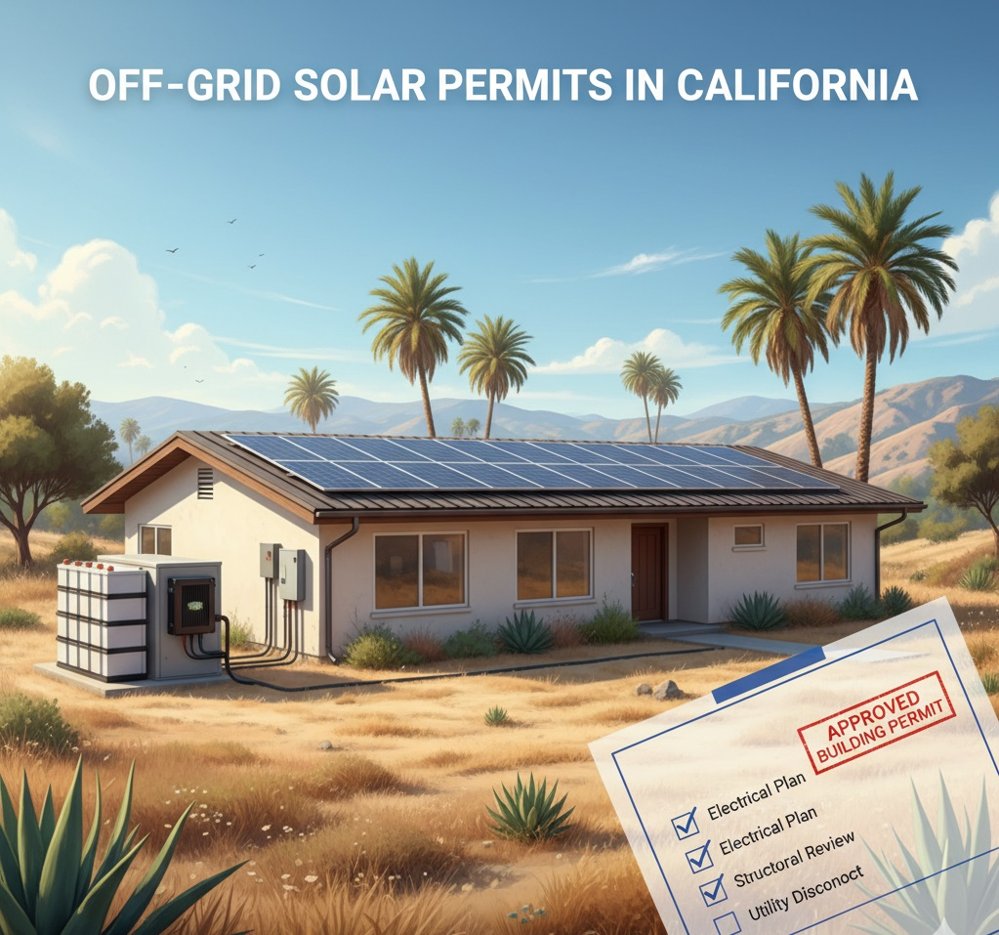
Why Permits Matter for Off Grid Homes
Building permits exist to ensure that homes are safe, structurally sound, and compliant with local building codes. Whether a home is connected to the utility grid or operates independently, local authorities often require permits for electrical work, structural construction, plumbing, and renewable energy systems.
Many people assume an off-grid property is exempt from regulations simply because it operates independently. However, building departments generally focus on safety rather than whether the property receives utility services.
Do Off Grid Solar Systems Need Permits?
One of the most frequently asked questions is do you need a permit for off grid solar. In many areas, the answer is yes.
Even when a solar system is completely independent from the utility grid, permits are commonly required because electrical systems must comply with safety regulations. Local authorities may also inspect battery storage, wiring, mounting structures, and equipment placement before approving the installation.
Permit requirements help reduce electrical hazards while ensuring the system performs safely for many years.
Is Off Grid Solar Legal in California?
Many homeowners also ask, is off-grid solar legal in California.
Yes, off-grid solar systems are generally legal in California. However, legality does not eliminate the need for permits or compliance with local building codes. Each city and county may have different requirements depending on the property, electrical system, and construction plans.
California follows building and electrical standards designed to protect homeowners while encouraging the safe adoption of renewable energy.
Because regulations can vary between jurisdictions, professional guidance is often recommended before beginning an installation.
Why California Has Specific Solar Requirements
California continues to lead the United States in renewable energy adoption. According to the Solar Energy Industries Association (SEIA), California has installed more solar capacity than any other state, making permit compliance especially important as local authorities manage increasing numbers of residential solar projects.
As solar adoption grows, local governments continue updating permit processes to improve safety and maintain consistent building standards.
What Permits May Be Required?
Permit requirements vary by project, but homeowners commonly need approvals for:
Building Permits
Required when constructing a new home or modifying an existing structure.
Electrical Permits
Often required for solar panels, battery systems, inverters, and electrical wiring.
Structural Review
Roof-mounted systems may require engineering documentation to verify structural safety.
Local Inspections
Many jurisdictions inspect completed installations before final approval.
Completing these steps helps ensure your project complies with local regulations while reducing future complications.
Do You Need a Permit to Install Solar Panels?
Another common question is do you need permit to install solar panels.
In most residential projects, permits are required before installing solar panels. Local authorities review system design, equipment specifications, electrical diagrams, and structural details to confirm compliance with applicable codes.
Although obtaining permits may require additional preparation, it often protects homeowners by ensuring systems are installed safely and correctly.
Planning an Off Grid Solar Project
Every successful off-grid installation begins with proper planning. Homeowners should evaluate energy usage, available sunlight, battery storage requirements, equipment sizing, and future expansion plans before purchasing materials.
Working with experienced solar professionals during the planning stage often prevents expensive design changes later in the project.
Good planning also simplifies the permitting process because documentation is prepared accurately from the beginning.
Why Professional Permit Design Makes a Difference
Solar permit documentation includes electrical layouts, structural calculations, equipment specifications, and site plans. Preparing these documents correctly helps reduce approval delays and minimizes the risk of revision requests from local authorities.
Professional engineering support also ensures your system follows current electrical and structural standards while meeting local AHJ requirements.
How Solarestique Supports Off Grid Solar Projects
Solarestique provides professional solar permit design, engineering, structural calculations, proposal design, and technical consulting services for residential and commercial solar projects. Their experienced team prepares accurate permit packages that help contractors and homeowners navigate approval processes with greater confidence.
Whether you are planning a complete off-grid home or expanding an existing solar installation, Solarestique develops customized engineering solutions that support safe, efficient, and code-compliant projects.
Permits Help Create Safer Solar Installations
If you're asking can you build an off grid home without permits, the answer depends on local regulations, but many off-grid projects still require approvals for construction and electrical work. Planning ahead, understanding local requirements, and working with experienced professionals can make the process much smoother. Whether you're exploring Off-Grid Solar in California or planning a similar project elsewhere, obtaining the proper permits helps protect your investment while ensuring your solar system operates safely and efficiently for years to come.
