Can UFE Help Large Fibroids? Understanding Your Non-Surgical Treatment Options
Author : USA Fibroid Center | Published On : 06 Jul 2026
A diagnosis of uterine fibroids often brings uncertainty, especially when the fibroids have grown larger and symptoms become difficult to manage. Many women immediately think surgery is inevitable, but advances in medical technology have introduced less invasive treatment options that can effectively manage fibroids without removing the uterus.
Large fibroids can affect more than just physical health. They may interfere with sleep, limit daily activities, contribute to heavy blood loss, and reduce overall quality of life. Fortunately, treatment has evolved significantly over the past decade, giving women more choices than ever before.
If you're exploring ufe fibroids as a treatment option, it's helpful to understand how the procedure works, whether fibroid size affects success, and why many specialists recommend it as an alternative to traditional surgery.
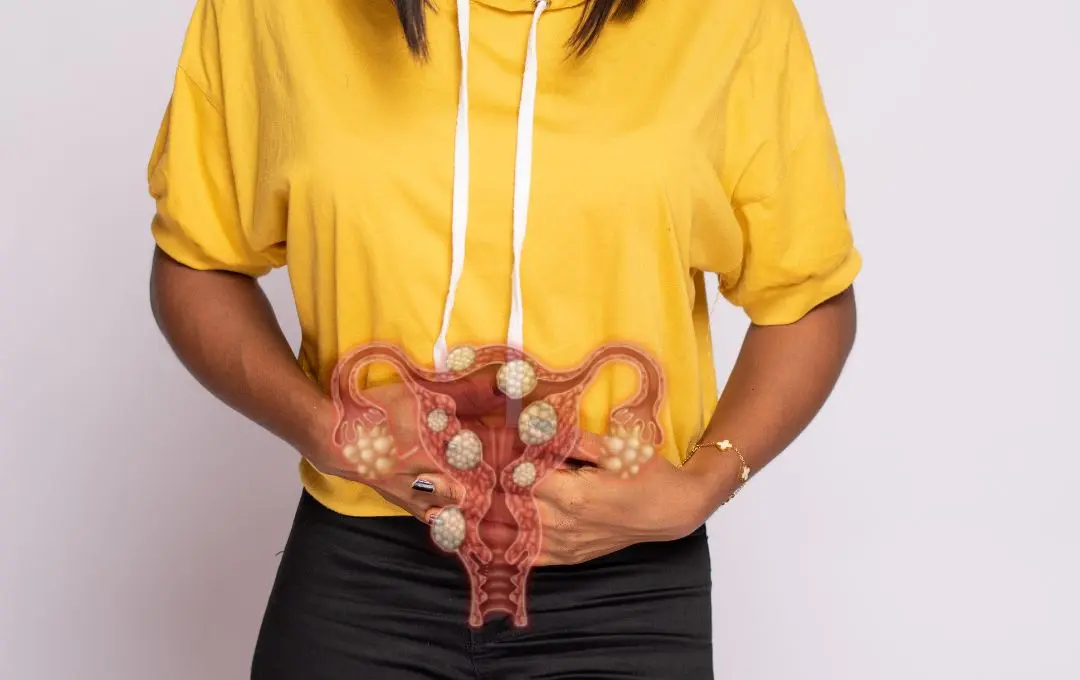 Understanding Large Uterine Fibroids
Fibroids are benign growths made of muscle and connective tissue that develop inside or outside the uterus. They are extremely common, particularly in women between the ages of 30 and 50.
While some fibroids remain small for years, others continue growing and begin causing noticeable symptoms.
A larger fibroid may:
- Put pressure on the bladder
- Compress the bowel
- Increase abdominal size
- Cause prolonged menstrual bleeding
- Trigger persistent pelvic discomfort
- Lead to iron-deficiency anemia
Not every large fibroid causes severe symptoms, but when symptoms begin interfering with everyday life, medical evaluation becomes important.
Why Fibroid Size Doesn't Tell the Whole Story
One common misunderstanding is that treatment decisions are based only on fibroid size.
In reality, specialists evaluate several factors before recommending therapy, including:
- The number of fibroids
- Their exact location
- Blood supply
- Symptom severity
- Patient age
- Future pregnancy goals
- Overall uterine health
Two women with fibroids of similar size may receive completely different treatment recommendations because their medical situations are unique.
How Does UFE Treat Large Fibroids?
Unlike surgery, which physically removes fibroids, Uterine Fibroid Embolization works by targeting the blood vessels that feed them.
During the procedure, an interventional radiologist guides a thin catheter into the uterine arteries. Tiny embolic particles are then released to reduce blood flow reaching the fibroids.
Without continuous circulation, the fibroids begin shrinking naturally over time.
Because every fibroid depends on blood supply, UFE can often treat multiple fibroids at the same time instead of removing them individually.
Can Large Fibroids Shrink After UFE?
Yes. Many women with larger fibroids experience meaningful improvement following treatment.
Instead of disappearing immediately, fibroids slowly decrease in size over several months.
As shrinkage occurs, patients often notice improvements such as:
- Lighter menstrual periods
- Reduced pelvic pressure
- Less abdominal fullness
- Improved bladder function
- Decreased lower back discomfort
- Better energy levels after heavy bleeding improves
The goal of treatment isn't necessarily to eliminate every fibroid completely—it is to relieve the symptoms that affect daily life.
Advantages of Choosing UFE
One reason UFE continues gaining popularity is because it offers several benefits compared with traditional surgery.
Women often choose this procedure because it provides:
- No major abdominal incision
- Outpatient treatment
- Short recovery period
- Minimal scarring
- Preservation of the uterus
- Treatment of several fibroids simultaneously
- Lower risk of complications associated with major surgery
These benefits make it an attractive option for women who wish to avoid hysterectomy whenever medically appropriate.
What Happens Before Treatment?
Every patient undergoes a complete evaluation before receiving UFE.
Your specialist may recommend:
Medical Consultation
A detailed discussion about your symptoms, menstrual history, medications, and treatment expectations.
Diagnostic Imaging
Ultrasound is commonly used to identify fibroid size and location. MRI may also be performed to obtain more detailed information for treatment planning.
Physical Examination
A pelvic examination helps determine whether the uterus has enlarged because of fibroid growth.
These evaluations help ensure the procedure is both safe and appropriate for your condition.
Recovery After the Procedure
Recovery following UFE is generally much quicker than recovery after traditional fibroid surgery.
Immediately after treatment, mild cramping and fatigue are common while the fibroids begin losing their blood supply.
Most women are able to:
- Return home the same day
- Walk within hours
- Resume light activities after several days
- Return to work within one to two weeks
Recovery experiences vary slightly from one patient to another, but most women appreciate avoiding the lengthy healing period associated with open surgery.
Who May Benefit Most?
UFE may be suitable for women who:
- Experience heavy menstrual bleeding
- Have large symptomatic fibroids
- Want to avoid major surgery
- Prefer minimally invasive treatment
- Wish to preserve the uterus
- Have multiple fibroids causing symptoms
A consultation with an experienced specialist remains the best way to determine candidacy.
Why Specialized Fibroid Care Matters
Successful fibroid treatment depends not only on the procedure itself but also on the experience of the physicians performing it.
Women seeking specialized care can learn more through USA Fibroid Centers, where experienced interventional radiologists focus exclusively on minimally invasive fibroid treatment using advanced diagnostic imaging and Uterine Fibroid Embolization (UFE).
Conclusion
Having large fibroids doesn't automatically mean that surgery is your only option. Modern minimally invasive treatments have made it possible for many women to successfully manage fibroid symptoms while preserving the uterus and reducing recovery time. Understanding your diagnosis, discussing your treatment goals, and consulting a qualified fibroid specialist can help you choose the option that best supports your long-term health and quality of life.
Frequently Asked Questions (FAQs)
1. Can large fibroids be treated without surgery?
Yes. Many women with large fibroids may qualify for Uterine Fibroid Embolization (UFE), a minimally invasive procedure that treats fibroids without removing the uterus. A specialist will determine if it is appropriate based on your individual condition.
2. Does fibroid size affect the success of UFE?
While fibroid size is considered during evaluation, it is not the only factor. The location, number of fibroids, blood supply, and your overall health are also important in determining whether UFE is a suitable treatment.
3. How long does it take to notice results after UFE?
Most women begin noticing symptom improvement within a few weeks, while fibroids continue to shrink gradually over the following months.
4. Will UFE remove all fibroids completely?
The purpose of UFE is to shrink fibroids by blocking their blood supply. In many cases, symptom relief is achieved even if the fibroids do not disappear completely.
5. Is hospitalization required for UFE?
No. UFE is commonly performed as an outpatient procedure, allowing most patients to return home on the same day.
6. Can UFE treat several fibroids during one procedure?
Yes. Unlike some surgical procedures that focus on removing individual fibroids, UFE can reduce blood flow to multiple fibroids in a single treatment session.
7. Is recovery easier than traditional surgery?
Most patients recover much faster after UFE compared to open surgery. Many women return to normal activities within one to two weeks, depending on their individual recovery.
8. When should I consult a fibroid specialist?
If you have heavy menstrual bleeding, pelvic pain, abdominal swelling, frequent urination, or symptoms that affect your daily life, scheduling an evaluation with a fibroid specialist is recommended.
