Can Grid-Free Infrastructure Lighting Keep Cities Lit Without Power?
Author : clear world | Published On : 14 Apr 2026
What happens when a city's power grid fails, and its streets go dark overnight? Urban planners are beginning to question whether traditional lighting infrastructure can meet the resilience demands of modern cities, and that question is pushing a real, ground-level shift toward Grid-Free Infrastructure Lighting. Streets, highways, parks, and public assets can stay lit regardless of grid status, outages, or shrinking budgets. That kind of reliability is no longer optional. For cities serious about public safety, it is becoming the baseline expectation.
Why the Old Model Is Showing Its Age
The traditional approach made sense for a long time. Run cables underground, connect to the grid, and keep the lights on. Simple enough, until energy prices became unpredictable, maintenance costs kept climbing, and outages started leaving entire corridors dark at the worst possible moments.
Then there is the installation cost itself. Trenching alone can consume a significant portion of a lighting project's budget before a single fixture goes up. For municipalities trying to expand coverage into new developments or long-neglected areas, the math stops working fairly quickly.
What Grid-Free Systems Actually Do Differently
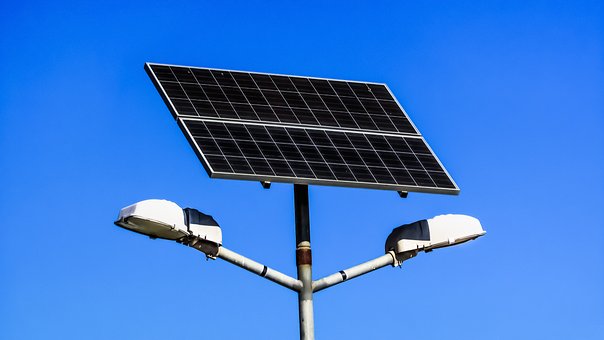
Grid-Free Infrastructure Lighting solves the problem at the source. Each system generates and stores its own energy locally through solar panels and onboard lithium-ion batteries. No underground wiring. No utility approvals. No monthly electricity bill waiting at the end of it.
When storms knock out the grid, these systems keep running. For emergency routes, busy intersections, and public gathering spaces, that uninterrupted performance is the entire point. And because modern systems use long-life LED technology with sealed, low-maintenance components, the savings extend well beyond installation day.
Smart controls have made these systems genuinely intelligent, too. Lights dim during quiet hours, respond to movement, and send performance data back to facility managers in real time. Some urban deployments even embed sensors into the poles themselves, quietly gathering environmental and traffic data that feeds directly into city planning decisions.
Real Applications, Real Results
Rural highways that never had grid access are finally getting consistent nighttime lighting. Parking lots are being upgraded without tearing up asphalt. Government facilities and campuses are cutting electricity costs while improving coverage across the board.
Retrofit solutions have made adoption even more practical. Existing poles can be upgraded with solar panels, new battery units, and LED fixtures without replacing the foundations at all. For cities managing aging networks across hundreds of poles, that pathway changes the financial conversation entirely.
Conclusion
Grid-Free Infrastructure Lighting has moved well past the experimental stage. It is a dependable, proven solution built for the pressures cities face right now — rising energy costs, unreliable grids, and growing demands on public infrastructure. Lighting that generates its own power and operates independently delivers something conventional systems have never been able to guarantee: reliability that depends on nothing but the sun.
