Can Concentrated Growth Factor Treatment Help Dry Skin
Author : EnfieldRoyalClinic Abu Dhabi | Published On : 12 Aug 2026
Dry skin can make the complexion look dull, rough, tight, or less supple, particularly when the skin’s natural renewal and hydration processes become less efficient. Regenerative aesthetic treatments have gained attention for their potential to improve overall skin quality rather than simply providing temporary surface hydration. Concentrated Growth Factor Treatment in Abu Dhabi is an approach that focuses on concentrated biological growth factors, which are involved in cellular communication and tissue regeneration. Research into growth-factor-based skin rejuvenation has reported improvements in hydration, texture, radiance, firmness, and overall appearance, suggesting that growth factors may have a role in supporting healthier-looking skin.
Understanding Why Skin Becomes Dry
Dry skin occurs when the outer layer of the skin does not retain enough moisture or when the skin barrier becomes less effective at maintaining hydration. The result can be a rough surface, visible flaking, tightness, reduced softness, and a complexion that appears tired. Aging can contribute to these changes because skin renewal, lipid production, and other processes involved in maintaining the barrier may gradually change over time.
Environmental conditions can also influence how hydrated the skin appears. Exposure to dry air, environmental pollutants, and other external factors can place additional demands on the skin barrier. Because dryness can involve both surface hydration and deeper changes in skin quality, treatments that support regeneration are being investigated as part of modern skin rejuvenation.
How Concentrated Growth Factors May Support Skin Quality
Growth factors are signaling proteins that participate in communication between cells. They are involved in processes associated with tissue repair, cellular activity, and the production of structural components within the skin.
The concept behind concentrated growth factor treatment is to provide regenerative signals that may encourage the skin to function more effectively. When skin-supporting processes are stimulated, improvements may become visible through better texture, elasticity, smoothness, and hydration.
A clinical study examining a growth-factor-based formulation found significant improvements in facial hydration, firmness, elasticity, radiance, tactile smoothness, and overall appearance during a 12-week assessment. These findings help explain why growth factors are increasingly considered in approaches aimed at improving dry or prematurely aged skin.
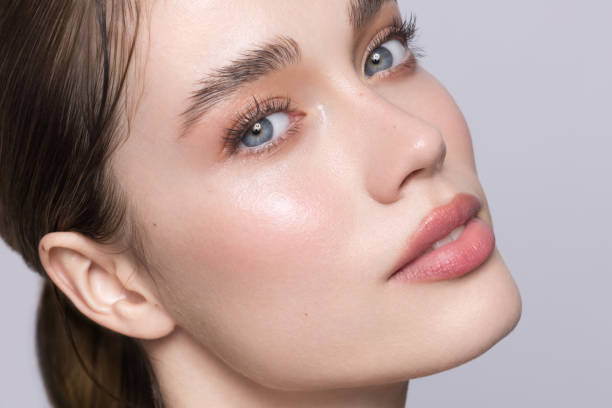
Can Concentrated Growth Factor Treatment Help Dry Skin?
Concentrated growth factor treatment may help improve the appearance and quality of dry skin, particularly when dryness is accompanied by dullness, rough texture, reduced elasticity, or signs of skin aging. Its potential benefit comes from supporting regenerative processes rather than acting simply as a conventional moisturizer.
Research specifically evaluating growth-factor-assisted skin rejuvenation has shown encouraging findings for hydration. In one randomized controlled study, adding topical growth factors to microneedling produced greater improvements in subjective skin hydration and texture than microneedling alone.
This suggests that growth-factor signaling may contribute to improvements in the skin characteristics associated with dryness. However, it is important to distinguish regenerative skin treatment from conventional hydration-focused skincare. Concentrated growth factor treatment is primarily intended to support skin quality and regeneration, rather than replace the role of everyday moisturizing and barrier-supportive care.
The Relationship Between Hydration and Skin Texture
Hydration and texture are closely connected. When the skin lacks sufficient moisture, the surface can appear rough and uneven, and fine lines may become more noticeable. Better hydration can make the skin look smoother and more supple while improving the way light reflects from its surface.
Growth-factor-based rejuvenation may support this process by influencing cellular activity and the skin’s structural environment. A systematic review of topical growth-factor preparations found modest improvements in facial skin texture and overall appearance across the studies reviewed, although the researchers also noted substantial variation among formulations and study methods.
For someone whose dry skin is also associated with roughness and reduced radiance, improvements in texture may therefore contribute significantly to a healthier-looking complexion.
Can It Improve Dull-Looking Dry Skin?
Dryness often goes hand in hand with a lack of radiance. When the surface is rough or dehydrated, the complexion can appear less luminous and more tired. Improving the overall condition of the skin may help restore a smoother and more refreshed appearance.
Research into growth-factor-based rejuvenation has reported improvements in radiance, firmness, smoothness, and overall facial appearance. A separate study of growth-factor-induced facial treatment also reported improvements in brightness, texture, tightness, and overall appearance during follow-up.
This means the potential benefit of concentrated growth factor treatment for dry skin may extend beyond moisture alone. Better texture, elasticity, and radiance can work together to create a complexion that looks healthier and more balanced.
Can Growth Factors Support the Skin Barrier?
The skin barrier plays a central role in maintaining hydration. When the barrier functions effectively, it helps limit excessive water loss and maintains a more stable environment within the outer layers of the skin.
Growth factors are being investigated for their potential role in supporting skin regeneration and extracellular-matrix activity. Because these processes are important to healthy skin structure, growth-factor-based treatments may contribute to improved skin quality over time.
However, the available research does not establish concentrated growth factor treatment as a universal solution for every form of dry skin. A systematic review found that studies use different growth-factor sources, formulations, and treatment approaches, making direct comparison difficult. This is why expectations should focus on gradual improvements in overall skin quality rather than assuming that one treatment will permanently resolve dryness.
What Kind of Dry Skin May Benefit Most?
The potential value of concentrated growth factor treatment may be greater when dryness occurs alongside age-related changes in skin quality. Skin that feels dry while also appearing dull, rough, thin, or less elastic may have multiple underlying changes that extend beyond simple surface dehydration.
Growth-factor-based rejuvenation is particularly relevant to this broader concept of skin regeneration. Clinical research has explored growth factors for concerns including dryness, textural irregularities, reduced firmness, and visible signs of aging.
If dryness is caused primarily by a specific dermatological condition, however, regenerative treatment may not address the underlying cause by itself. Understanding why the skin is dry remains important when considering any aesthetic treatment.
When Can Improvements Become Noticeable?
Skin regeneration takes time, so improvements from growth-factor-based treatments are generally expected to develop progressively. The skin must respond to the biological signals and move through its natural renewal processes before changes in texture and hydration become more apparent.
Clinical research provides some useful context. Studies evaluating growth-factor-based facial rejuvenation have commonly followed participants for several weeks to a few months, with improvements in hydration, texture, radiance, and overall appearance reported during those periods.
The timing can vary according to the individual’s skin condition, treatment approach, age, baseline hydration, and other factors affecting skin quality.
Concentrated Growth Factors for Healthier-Looking Dry Skin
Concentrated growth factor treatment may offer a regenerative approach for people whose dry skin is accompanied by dullness, roughness, reduced elasticity, and visible signs of aging. Rather than focusing solely on adding moisture to the surface, growth-factor-based treatment aims to support the biological processes involved in healthier skin structure and renewal.
The current evidence is promising but not definitive. Research has demonstrated improvements in hydration and texture with certain growth-factor preparations, while systematic reviews emphasize differences between products and treatment methods.
Ultimately, concentrated growth factor treatment may be most valuable when the goal is broader skin rejuvenation alongside improved hydration. By potentially supporting smoother texture, better elasticity, radiance, and skin renewal, it can contribute to a softer, fresher, and more hydrated-looking complexion.
FAQs
Can concentrated growth factor treatment help dry skin?
Yes, it may help improve the appearance and quality of dry skin by supporting regenerative processes associated with hydration, texture, elasticity, and overall skin condition. Research has reported improvements in hydration following growth-factor-based facial treatments.
Does concentrated growth factor treatment directly hydrate the skin?
Its purpose is not simply to add moisture like a traditional moisturizer. Instead, growth factors are intended to support cellular processes that may contribute to improved skin quality and hydration. Clinical studies have observed improvements in measured or perceived hydration with certain growth-factor preparations.
Can it improve rough skin caused by dryness?
It may. Growth-factor-based rejuvenation has been associated with improvements in skin texture and smoothness, which can make dry, rough-looking skin appear more refined.
Can it make dry skin look more radiant?
Potentially. Studies of growth-factor-based skin rejuvenation have reported improvements in radiance, brightness, texture, and overall facial appearance. These changes can contribute to a fresher-looking complexion.
How long does it take to see improvements in dry skin?
Improvements generally develop gradually rather than immediately. Clinical studies of growth-factor-based rejuvenation have evaluated changes over several weeks and months, with hydration and other skin-quality measures improving during the observation period.
