Can Attic Insulation Help Reduce Heat Entering Through Ductwork in Miami Homes?
Author : Attic Insulation Plus Miami | Published On : 18 Nov 2026
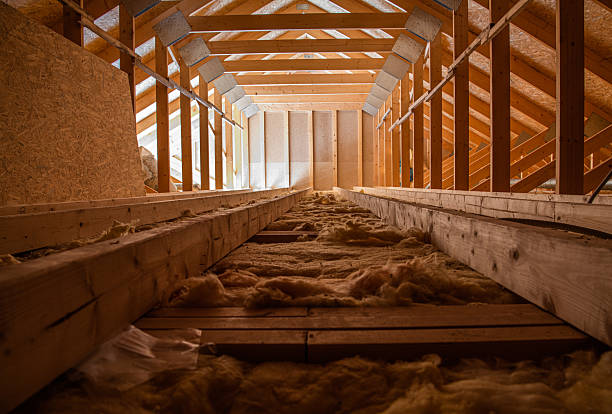
Miami homeowners know how challenging it can be to keep indoor spaces comfortable during hot and humid weather. When outdoor temperatures rise, air conditioning systems work hard to maintain a pleasant indoor environment. However, even when an air conditioner is operating properly, some homes still experience warm rooms, uneven cooling, and higher energy bills. One possible reason is heat entering through ductwork located in the attic.
Air ducts carry conditioned air from the HVAC system to different rooms throughout the home. When these ducts are exposed to high attic temperatures, the air traveling through them can absorb unwanted heat before reaching its destination. This makes the cooling system work harder and can reduce indoor comfort.
Proper attic insulation can help address this problem by slowing heat transfer from the roof and attic into the living space. When combined with properly insulated and sealed ductwork, it can help maintain cooler air as it moves through the ventilation system. Understanding how attic insulation and ductwork work together can help Miami homeowners make better decisions about improving home comfort and HVAC efficiency.
Why Does Heat Enter Through Attic Ductwork?
Attics can become extremely hot during the summer because roofing materials absorb sunlight throughout the day. That heat gradually transfers into the attic, creating an environment that can be much warmer than the conditioned rooms below.
When HVAC ducts run through this space, they are exposed to surrounding hot air. Even when the ducts are carrying cold air, their exterior surfaces can absorb heat from the attic. If the duct insulation is damaged, missing, or insufficient, heat can transfer through the duct walls more easily.
This process can raise the temperature of conditioned air before it reaches the supply vents. As a result, the air conditioner may need to operate for longer periods to maintain the thermostat setting.
Several conditions can make this problem worse:
-
Insufficient duct insulation: Poor insulation allows surrounding attic heat to transfer into the ducts.
-
Damaged ductwork: Tears, loose connections, and deteriorated materials can allow conditioned air to escape.
-
Poor attic insulation: Inadequate insulation allows more outdoor heat to enter the attic and transfer toward the living areas.
-
Air leaks: Gaps around duct connections allow cooled air to escape into the attic.
-
High attic temperatures: Prolonged exposure to intense sunlight increases the temperature difference between the attic and conditioned air.
Addressing these issues together can help improve the performance of the entire cooling system.
How Attic Insulation Helps Reduce Heat Transfer
Attic insulation creates a thermal barrier between the roof and the living spaces below. Its primary purpose is to slow the movement of heat through the attic floor or other insulated building surfaces.
During Miami summers, sunlight heats the roof, and that heat can raise attic temperatures. Without sufficient insulation, some of this heat transfers into the rooms below, increasing the cooling demand.
Although attic insulation does not directly replace duct insulation, it can help reduce the overall heat load affecting the home. When the attic is properly insulated, less heat moves from the attic into the conditioned living areas.
This can provide several benefits.
Reducing heat movement into the home
A properly insulated attic slows the transfer of heat into bedrooms, living rooms, hallways, and other interior spaces. This helps the air conditioner maintain indoor temperatures without constantly compensating for heat entering through the ceiling.
Supporting better HVAC performance
When less heat enters the home, the cooling system may have an easier time maintaining the desired temperature. Reduced cooling demand can support more efficient HVAC operation.
Improving indoor temperature consistency
Poor attic insulation can contribute to uncomfortable temperature differences between rooms, especially in upper-floor spaces. Improving the attic's thermal protection can help create a more consistent indoor environment.
Reducing the impact of attic heat
Although insulation cannot eliminate attic heat, it slows heat transfer and helps limit how much of that heat affects the home's conditioned spaces.
Can Attic Insulation Keep Air Inside Ducts Cooler?
Attic insulation can help indirectly, but it is important to understand the difference between attic insulation and duct insulation.
Attic insulation is generally installed along the attic floor or other designated building surfaces. It helps separate the conditioned living space from the hot attic environment.
Duct insulation, on the other hand, surrounds the air ducts themselves. It reduces heat transfer between the air inside the ducts and the surrounding attic air.
If ductwork is exposed to high temperatures, properly installed duct insulation is particularly important. It helps prevent cooled air from gaining heat as it travels toward the rooms.
For the best results, homeowners should consider both systems. Attic insulation helps control heat transfer through the home's structure, while duct insulation protects conditioned air during distribution.
Air sealing is another important part of this process. Even well-insulated ducts can lose cooled air through disconnected joints, loose connections, and damaged sections. Sealing these areas helps keep conditioned air inside the ventilation system.
Signs That Attic Heat May Be Affecting Your Ductwork
Not every cooling problem is caused by attic heat, but certain warning signs may indicate that the duct system needs attention.
Warm air coming from supply vents
If the air coming from your vents feels warmer than expected, the ducts may be exposed to excessive heat, have inadequate insulation, or be leaking conditioned air. HVAC equipment problems should also be considered.
Rooms that take longer to cool
Some rooms may remain uncomfortable even when the air conditioner runs continuously. This can happen when ducts lose conditioned air or gain heat before delivering it.
Higher electricity bills
When cooled air loses its temperature or escapes through duct leaks, the air conditioner may run longer to maintain the thermostat setting. This can increase electricity consumption.
Uneven airflow
Weak airflow in certain rooms may indicate disconnected ducts, blockages, damaged sections, or other distribution problems.
An unusually hot attic
An extremely hot attic can increase the temperature difference between the surrounding environment and the conditioned air inside the ductwork. This makes proper insulation and duct protection particularly important.
Homeowners experiencing these symptoms should consider a professional inspection rather than assuming that adding attic insulation alone will solve the problem.
The Connection Between Attic Insulation and Ductwork Efficiency
Attic insulation and ductwork are closely connected because both influence how effectively an HVAC system cools a home. If one part of the system is not performing properly, the other may have to work harder to maintain comfortable temperatures.
For example, imagine a home with insufficient attic insulation and poorly insulated air ducts. During a hot afternoon, heat from the roof increases the temperature inside the attic. That heat can transfer through the duct walls, warming the cooled air traveling toward the bedrooms and living areas.
At the same time, heat can move through the attic floor and increase indoor cooling demand. The air conditioner must then compensate for both problems.
Improving attic insulation can help reduce heat transfer into the home, while repairing and insulating the ductwork can help protect conditioned air during distribution.
A complete evaluation should consider the attic insulation, duct condition, air leaks, and HVAC performance rather than focusing on just one component.
Why Miami Homes Need Proper Attic Insulation
Miami's subtropical climate creates specific challenges for residential insulation. Long periods of warm weather, intense sunlight, and high humidity can place additional demands on cooling systems.
Homes with inadequate attic insulation may experience excessive heat transfer through ceilings. This can make upper-floor bedrooms particularly uncomfortable during the afternoon and evening.
Humidity is another important consideration. Air conditioning systems help remove moisture from indoor air as they cool the home. When cooling systems operate under excessive demand or airflow becomes restricted, maintaining comfortable indoor conditions can become more difficult.
Proper attic insulation helps limit heat transfer between the attic and living areas. However, insulation must be installed correctly and combined with appropriate ventilation and moisture management practices.
Homeowners should also consider the condition of existing insulation. Older materials may have settled, become damaged, or developed gaps that reduce their effectiveness.
A professional assessment can help determine whether additional insulation, insulation replacement, or air sealing would provide the greatest benefit.
The Importance of Proper Air Duct Insulation
While attic insulation helps control heat entering the home, duct insulation protects the conditioned air traveling through the HVAC system.
Ducts located in unconditioned attic spaces are particularly vulnerable to heat gain. If their insulation is damaged or insufficient, the surrounding heat can affect the temperature of the air moving through them.
Proper duct insulation provides a protective layer that slows this heat transfer. It can also help reduce condensation risks when correctly selected and installed for the local climate.
Homeowners should pay attention to the following ductwork conditions:
-
Damaged insulation: Torn, compressed, or missing insulation can expose duct surfaces to attic temperatures.
-
Disconnected joints: Loose connections allow conditioned air to escape before reaching the intended rooms.
-
Air leaks: Small gaps around duct connections can reduce overall system efficiency.
-
Condensation: Poorly insulated or improperly sealed ducts may develop moisture problems when warm, humid attic air contacts cold surfaces.
-
Aging duct materials: Older duct systems may have deteriorated connections or insulation that no longer performs effectively.
-
Correcting these issues can help improve air distribution and reduce unnecessary cooling losses.
When Should You Consider Air Duct Replacement?
Sometimes cleaning and repairing existing ductwork may not be enough. If ducts are severely damaged, deteriorated, or improperly installed, replacement may be a better long-term solution.
Older duct systems can develop cracks, disconnected sections, crushed areas, and damaged insulation. These problems can affect airflow and allow cooled air to escape into the attic.
Replacing damaged ductwork provides an opportunity to improve the overall distribution system. New ducts can be properly sized, connected, insulated, and sealed to support the HVAC system's performance.
Professional Air Duct Replacement can help homeowners address problems that cannot be corrected through basic maintenance.
A professional inspection can determine whether replacement is necessary or whether localized repairs and insulation improvements are sufficient.
The decision should consider the age of the system, visible damage, airflow performance, insulation condition, and the extent of existing air leakage.
Replacing ductwork without addressing attic insulation may leave another source of heat transfer unresolved. Similarly, adding insulation around an attic without repairing damaged ducts will not correct air leakage or distribution problems.
Treating both areas as part of the home's overall thermal performance can produce better results.
How Air Duct Cleaning Supports Better Cooling Performance
Not every ductwork problem requires replacement. In some homes, the existing duct system is structurally sound but needs professional cleaning.
Dust, pet hair, dirt, and other debris can accumulate inside air ducts over time. Significant buildup may restrict airflow and contribute to poor HVAC performance.
When airflow becomes restricted, the system may have difficulty distributing conditioned air evenly throughout the home. Some rooms may feel warmer, while the HVAC equipment may operate longer to reach the thermostat setting.
Professional cleaning can remove accumulated debris and help restore airflow when contamination is affecting the duct system.
Homeowners can learn more about the relationship between duct cleanliness and cooling performance in How Air Duct Cleaning Boosts HVAC Efficiency.
It is important to understand that cleaning and insulation serve different purposes. Cleaning removes accumulated debris, while insulation slows heat transfer. Neither service automatically replaces the need for the other.
A professional evaluation can help identify whether the home needs duct cleaning, sealing, insulation improvements, or replacement.
Additional Ways to Reduce Heat Entering Through Ductwork
Attic insulation is an important part of improving home comfort, but homeowners can take additional steps to reduce unwanted heat gain and improve HVAC performance.
Seal attic air leaks
Small openings around ceiling fixtures, wiring, plumbing penetrations, and attic access points can allow conditioned air to escape and hot air to move between spaces.
Professional air sealing helps close appropriate gaps and improve the thermal boundary between the attic and living areas.
Check duct connections
Duct joints should be properly connected and sealed with suitable materials. Loose connections can allow cooled air to escape into the attic, reducing the amount delivered to interior rooms.
Maintain the HVAC system
Regular HVAC maintenance helps identify problems involving filters, coils, blower components, refrigerant performance, and airflow. A properly maintained system is better positioned to deliver consistent cooling.
Inspect attic insulation
Insulation should be checked for gaps, moisture damage, compression, and uneven coverage. Correcting these issues can improve the attic's ability to resist heat transfer.
Manage attic moisture
Miami's humidity makes moisture management especially important. Proper duct insulation, sealed connections, suitable ventilation strategies, and prompt attention to water intrusion can help prevent condensation-related problems.
These improvements work best when planned together based on the home's existing condition.
Choosing the Right Attic Insulation for Miami Homes
Different insulation materials offer different advantages, and the best option depends on the home's structure, existing insulation, budget, and installation requirements.
Fiberglass batt insulation can be used in suitable attic spaces and provides thermal resistance when installed without gaps or compression.
Blown-in insulation is another option for covering attic floors and filling suitable spaces around framing members. It can provide more consistent coverage when properly installed.
Spray foam insulation may be appropriate for certain attic configurations where air sealing and thermal performance are important. However, its suitability depends on the building design, moisture conditions, and applicable installation requirements.
The insulation strategy should also consider the location of HVAC equipment and ductwork. Insulating the attic floor while leaving ductwork exposed to extreme attic temperatures may not address every cooling concern.
A professional insulation contractor can evaluate the attic and recommend an appropriate solution for the home's construction and climate conditions.
Professional Attic Insulation Services in Miami Beach
Miami homeowners looking to improve indoor comfort should consider the condition of their attic insulation and HVAC ductwork together.
A properly planned insulation project can help reduce heat transfer, support more consistent indoor temperatures, and reduce the cooling demand placed on the air conditioning system.
Attic Plus provides insulation and ductwork-related services for homeowners throughout South Florida. Its services include insulation installation, insulation replacement, air sealing, duct cleaning, and air duct replacement.
Homeowners looking for local insulation solutions can explore Attic Insulation Miami Beach to learn more about available services in the Miami area.
A professional assessment can help identify insufficient insulation, damaged ductwork, air leakage, and other conditions affecting home comfort.
Rather than assuming that a single upgrade will solve every cooling problem, homeowners can benefit from an approach that considers the entire attic and HVAC distribution system.
Frequently Asked Questions
Can attic insulation directly prevent heat from entering air ducts?
Attic insulation primarily reduces heat transfer between the attic and the conditioned living space. It does not directly insulate the ductwork. However, combining attic insulation with properly insulated and sealed ducts can help reduce unwanted heat gain throughout the home.
Why do my air conditioning ducts get hot in the attic?
Attics absorb heat from sunlight and can reach high temperatures during Miami summers. Ducts exposed to this environment may absorb heat through their exterior surfaces, particularly when their insulation is damaged or insufficient.
Does adding attic insulation reduce electricity bills?
Proper attic insulation can help reduce heat transfer into the home, potentially lowering cooling demand. Actual energy savings depend on existing insulation levels, duct condition, HVAC efficiency, air leakage, and household cooling habits.
Should I replace my ductwork or add more attic insulation first?
The correct approach depends on the condition of both systems. If ducts are leaking or severely damaged, those problems should be addressed. If attic insulation is insufficient, improving it can help reduce heat transfer into the home. A professional inspection can help prioritize the work.
Can dirty air ducts make my home feel warmer?
Yes, significant debris buildup can restrict airflow and make it harder for conditioned air to reach certain rooms. However, warm indoor temperatures can also result from duct leaks, insufficient insulation, HVAC problems, or other building conditions.
How often should attic insulation be inspected?
There is no single inspection schedule that works for every property. Homeowners should consider an inspection when they notice uneven temperatures, unusually high cooling costs, moisture problems, visible insulation damage, or changes in HVAC performance.
Final Thoughts
Attic insulation can help reduce the amount of heat entering Miami homes, but it is only part of the solution when ductwork is exposed to high attic temperatures. Proper duct insulation, sealed connections, clean ventilation pathways, and well-maintained HVAC equipment are also important for maintaining comfortable indoor conditions.
By addressing attic insulation and ductwork together, homeowners can reduce unnecessary heat transfer, support better airflow, and help their cooling systems operate more effectively.
For Miami homeowners, investing in a properly evaluated attic and duct system can make a meaningful difference in indoor comfort throughout the year.
