Can a Facelift in Islamabad Create Natural-Looking Facial Results?
Author : glamorous Clinic | Published On : 05 Oct 2026
A natural-looking result is one of the main concerns people have when considering facial surgery. Many patients want improvement in sagging and facial aging without looking as though they have undergone an obvious transformation. Facelift in Islamabad can be planned around the individual's facial characteristics, but achieving a natural appearance depends on appropriate technique, realistic expectations, and careful communication.
What Does a Natural Result Mean?
Natural does not mean that every sign of aging disappears. Instead, it generally means that the face remains recognizable and the improved contours fit the person's existing features.
A natural-looking outcome should take the patient's facial proportions into account. The goal is usually to improve areas affected by laxity rather than creating an appearance that is disconnected from the person's original facial structure.
Why Facial Proportions Matter
Every person has different cheek shape, jawline structure, skin thickness, and facial proportions. If these characteristics are ignored, excessive correction can make the result appear less natural.
A surgeon therefore needs to understand how the face looks before deciding how much correction is appropriate. The objective should be improvement that works with the patient's anatomy.
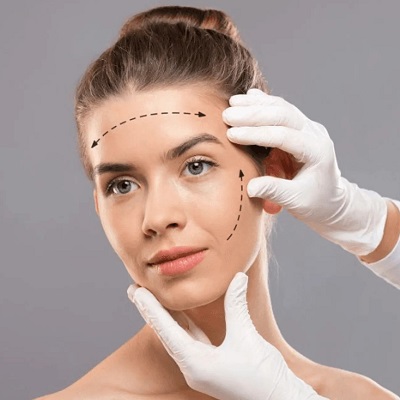
Avoiding the Idea of "Maximum Tightening"
A common misconception is that tighter skin automatically means a better facelift. Facial surgery is more complicated than simply pulling the skin as tightly as possible.
Excessive tension can create an unnatural appearance and may not produce the balanced result the patient expects. Surgical planning instead needs to consider underlying tissues, skin, facial movement, and overall proportions.
Communicating Desired Changes
Patients can help by describing the changes they dislike rather than using vague requests. Saying that the jawline has become less defined or that loose skin bothers them gives the surgeon useful information.
Showing reference photographs can also help communicate a preferred general aesthetic, but patients should understand that their result will still depend on their own anatomy.
Understanding What Surgery Can Change
A facelift is primarily concerned with selected forms of laxity and excess skin. It is not a complete treatment for every aspect of facial aging.
If a patient expects surgery to remove every fine line, change facial volume, alter skin texture, and completely reverse aging, disappointment may follow. Understanding the scope of treatment helps create more realistic expectations.
Individualized Surgical Planning
A personalized surgical plan is one of the most important factors in achieving an appropriate result. The surgeon considers the location of laxity, skin quality, facial anatomy, and the amount of correction that is needed.
The procedure should be designed for the patient rather than selected from a standard formula. This individualized approach is particularly important because facial features are highly visible and even small differences can affect overall appearance.
Patience During Healing
A result may not look natural immediately after surgery because swelling, bruising, tightness, and temporary asymmetry can occur during recovery.
Patients should allow adequate time for tissues to settle before judging the appearance. Early postoperative photographs can look very different from the later result, so immediate comparison can create unnecessary worry.
The Role of Realistic Expectations
Natural-looking surgery begins with realistic goals. Patients should understand that the objective is improvement rather than perfection.
The surgeon can discuss which changes are realistically achievable and which concerns may require other treatments. Honest communication before surgery is much more useful than expecting the procedure to solve every cosmetic concern.
Choosing a Qualified Surgeon
The surgeon's training and experience are also important considerations. Patients should look for appropriate qualifications, experience with facial surgery, a suitable clinical environment, and clear communication about risks and expected outcomes.
A good consultation should allow patients to ask questions without feeling pressured to proceed.
Conclusion
A natural-looking facelift depends on balance, appropriate correction, and respect for the patient's individual facial structure. Facelift in Islamabad can be planned to improve visible laxity while maintaining natural proportions, but the result cannot be separated from the patient's anatomy, healing process, and expectations. Careful consultation and individualized surgical planning are essential for patients who want rejuvenation without losing the characteristics that make their face uniquely recognizable.
