Can a Dental Bridge Help Prevent Teeth from Shifting Over Time?
Author : Hughes Dental | Published On : 26 Jun 2026
Losing a tooth can feel like a simple cosmetic problem at first, especially if the gap is not immediately visible when you smile. Because of this, many people delay treatment, assuming replacing a missing tooth is not urgent. What many patients do not realize is that even one missing tooth can begin affecting the alignment and stability of surrounding teeth over time. Visiting a trusted dentist in deephaven soon after tooth loss can help prevent complications that often develop when empty spaces in the mouth are left untreated for too long.
Modern restorative dentistry offers several options for replacing missing teeth, and dental bridges remain one of the most reliable solutions for restoring function while protecting the long-term alignment of your smile. Beyond simply filling a gap, dental bridges play an important role in maintaining overall oral health.
Why Do Teeth Begin Shifting After Tooth Loss?
Your teeth are designed to work together as a complete system. Each tooth helps maintain proper spacing and supports the alignment of neighboring teeth. When a tooth is lost, the surrounding teeth lose that support. Over time, nearby teeth naturally begin drifting toward the empty space. This movement can happen gradually, often without patients noticing until alignment problems become more obvious. Even small shifts can eventually affect bite balance and overall dental function.
How Does a Dental Bridge Fill the Empty Space?
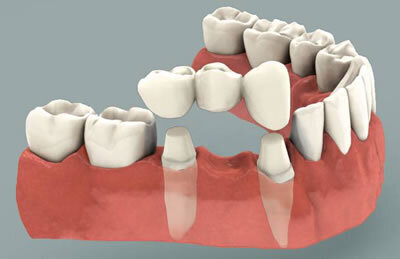
A dental bridge is designed to replace one or more missing teeth by attaching an artificial tooth securely between neighboring teeth. The surrounding teeth act as anchors, holding the bridge firmly in place.
Once positioned, the bridge restores the natural spacing that was lost when the tooth was removed. By filling the empty space, the bridge helps maintain the alignment of neighboring teeth and prevents gradual movement that could otherwise occur over time. This stability helps preserve the overall balance of your smile.
Can Shifting Teeth Cause Bigger Dental Problems?
Yes. When teeth begin moving out of their natural position, several complications may develop. Misalignment can affect how upper and lower teeth come together while chewing. Uneven bite pressure may cause excessive wear on certain teeth, jaw discomfort, or difficulty properly cleaning crowded areas.
As alignment worsens, patients may become more vulnerable to cavities, gum irritation, and long-term bite-related problems that require additional corrective treatment later. Addressing missing teeth early helps prevent these avoidable complications.
Are Dental Bridges Important for More Than Appearance?
Many patients think replacing missing teeth is mainly a cosmetic decision. While appearance certainly matters, restoring proper function is equally important. Dental bridges help patients chew more comfortably and speak more naturally while maintaining proper spacing throughout the mouth.
Without replacement, even a single missing tooth can slowly begin affecting neighboring teeth in ways that extend far beyond aesthetics. Protecting the mouth's overall structure often starts with promptly restoring missing teeth.
When Should You Replace a Missing Tooth?
The right time to replace a missing tooth is usually as soon as possible. Working with an experienced dentist allows patients to evaluate treatment options before shifting or bite problems begin developing.
For patients exploring long-term restorative solutions, dental bridges deephaven offer an effective way to restore both appearance and function while helping prevent surrounding teeth from shifting over time. Taking action early helps preserve alignment, protect healthy teeth, and maintain a stronger, healthier smile for years to come. Waiting too long often turns a simple restoration into a much larger dental problem later.
