Camel Safari in Jaisalmer: What First-Timers Get Wrong
Author : Windsdesert camp | Published On : 03 Aug 2026
Most people book a camel safari in Jaisalmer without knowing the difference between a 45-minute dune loop and a proper overnight desert experience. They end up disappointed, paying tourist-trap prices for a ride that lasts less time than their photo session. If you want the real Thar Desert experience — golden dunes, a slow sunset, and a night under more stars than you’ve ever seen — you need to know what to book, when, and where.
So here we will break down exactly that, based on how camel safaris around Jaisalmer’s Desert Camp circuit actually run.
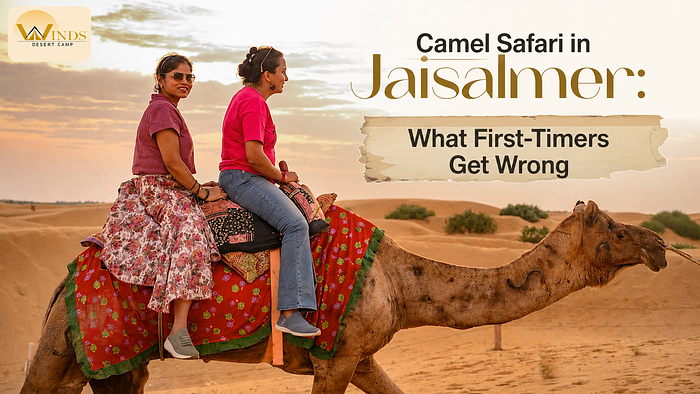
A Camel Safari in Jaisalmer Isn’t Just a Ride — It’s a Package Decision
The camel itself is the easy part. The real decision is which camel safari package fits your trip:
- Sunset or sunrise safari (45–60 minutes): Best for day-trippers with limited time. You’re picked up from the camp, taken deep into the dunes, and back before dark.
- Overnight safari: Includes a camel ride out to the dunes, dinner under the stars, and a night in a desert camp before riding back at sunrise.
- Multi-day safari (2–3 days): For travelers who want to see remote dune belts and village life, not just the tourist-heavy Sam Dunes stretch.
Most first-timers should start with the overnight option. It gives you both sunset and sunrise without needing two separate bookings.
Where the Safari Actually Happens
Nearly every camel safari originates near camp in Sam Sand Dunes, roughly 40 km from Jaisalmer city, or the quieter Khuri dunes further south. Sam is more commercialized but has better infrastructure — proper camps, generators, and washroom facilities. Khuri is calmer if you’re avoiding crowds, but options are more limited.
Timing Your Camel Safari in Jaisalmer Changes Everything
- Best months: October to March. Daytime temperatures sit around 20–25°C, and nights are cool enough for a bonfire and blankets, not unbearable heat.
- Avoid: Late March through June, when afternoon temperatures can cross 38–45°C. Several camps scale down operations in peak summer.
- Best time of day: Ride between 5:00–7:00 PM for sunset, or 4:30–6:00 AM for sunrise. Midday rides in winter are fine; midday rides in summer are not.
- February bonus: The Jaisalmer Desert Festival brings folk music, camel races, and cultural shows — but it also means higher prices and earlier bookings.
If your dates are flexible, winter evenings are non-negotiable for comfort and for the best light in your photos.
What a Desert Camp Jaisalmer Stay Should Include
Not all camps are equal, and the difference usually shows up after check-in, not before. A solid desert camp Jaisalmer package should cover:
- Camel pickup from the camp to the dune point, not a shared jeep ride that skips the actual safari
- Dinner with live folk music — Rajasthani thali is standard; ask if it’s included or charged separately
- Bonfire and cultural performance (folk dance, Kalbeliya performances) as part of the evening, not an upsell
- Clean tents or Swiss tents with proper bedding, since desert nights get cold even in warmer months
- Sunrise camel ride back, not just a jeep transfer
A common complaint from first-time visitors is vendors on the dunes pushing paid extras — drinks, photos, quad rides — that feel like part of the package but aren’t. Confirm inclusions in writing before you pay anything.
How Much Should You Actually Budget
Camel-only rides can start as low as ₹500 per camel (two riders max), but that’s just the 45–60 minute segment. A full overnight package — camel ride, camp stay, dinner, and cultural show — costs considerably more and varies by camp tier, from basic to semi-luxury tents. Always ask what’s bundled: some quotes include the camel ride and camp fee separately, which can double your expected cost if you’re not paying attention.
Booking Tips That Save You Money and Time
- Book directly with the desert camp rather than through a third-party agent to avoid commission markups
- Confirm pickup point and timing the night before — desert roads have poor signal, and last-minute changes are hard to coordinate
- Carry cash; many smaller camps and roadside vendors don’t accept cards
- Pack a light jacket even in “warm” months — desert nights drop temperature fast after sunset
Final Word
Visiting Jaisalmer is one of those experiences that’s either unforgettable or forgettable, depending entirely on timing and planning. Pick the winter months, choose an overnight package over a rushed sunset ride, and confirm your desert camp’s inclusions before you book. Do that, and the dunes will do the rest.
FAQs
- How long does a typical camel safari last?
A standard sunset or sunrise safari runs 45–60 minutes. Overnight and multi-day safaris extend this significantly, combining riding time with camp stays.
2. Is a camel safari safe for children and elderly travelers?
Yes, most camps allow two riders per camel and keep pace slow and controlled. It’s worth informing the camp in advance so they assign an experienced handler.
3. Do I need to book in advance, or can I just show up?
During winter (October–March) and especially around the February Desert Festival, advance booking is strongly recommended. Camps and camel availability fill up fast in peak season.
4. What should I wear for a camel safari?
Loose, breathable clothing during the day, plus a jacket or shawl for evening and early morning rides, since desert temperatures swing sharply after sunset.
