Cabin Air Systems and Mold: Why Filter Replacement Matters!
Author : XLNC Auto Beauty | Published On : 18 Mar 2026
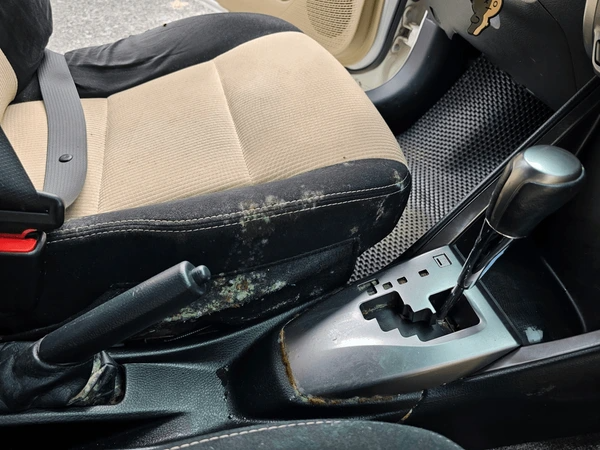
You step into your car. The cabin looks spotless. The paint shines. Yet the air smells damp the moment the AC starts. Sound familiar? The issue often hides deep inside the HVAC system. Moisture, dust, and pollen collect inside ducts and filters, creating a perfect place for mold. That is why mold removal from car systems and timely filter replacement play a major role in keeping your vehicle clean, safe, and comfortable.
Why Does Your Car AC Smell Musty After a While?
You might notice it first thing in the morning. You start the car, switch on the AC, and a stale smell flows through the vents. That odor usually points to mold or mildew inside the HVAC system.
Inside your car’s air system, moisture builds up around the evaporator coil. Dust and organic particles settle on the cabin filter. Over time, this damp environment becomes the perfect breeding ground for fungal growth. The moment air flows through the system, those spores travel into the cabin. This is why many vehicle owners eventually search for mold removal from car interiors. The problem rarely begins in the seats or carpets. It often starts deep inside the air system itself.
How Does Mold Enter the Cabin Air System?
Think about what passes through your air intake every day. Road dust, pollen, leaves, pollution, and humidity all enter the system. The cabin air filter captures these particles so they do not reach the passengers.
But here is the catch.
When that filter collects debris and moisture, it turns into a nutrient source for mold. Warm air and humidity inside the HVAC box accelerate the process. Recent research on vehicle cabin filters found that fungal spores such as Cladosporium appeared in 95 percent of tested cabin filters, showing how common microbial contamination can be inside car air systems.
So yes. The issue is far more widespread than most drivers realize.
What Happens When the Cabin Filter Is Not Replaced?
Ignoring a cabin filter is easy. It is hidden behind panels and often overlooked during routine maintenance.
But when filters stay in place too long, three problems appear quickly.
First, airflow drops. The HVAC system must work harder to push air through clogged material.
Second, odor begins to build. Mold colonies release musty compounds that circulate through the vents.
Third, health concerns arise. Spores and allergens can irritate the respiratory system, especially for families with children or pets.
For busy professionals or families who spend hours commuting, breathing contaminated air inside the vehicle is far from ideal.
Can Mold Spread Beyond the Filter? Yes, and It Often Does
Once mold starts growing inside the HVAC system, it rarely stays in one place.
Spores travel through ventilation ducts and settle on the evaporator core. Moisture collects there every time the AC runs, which encourages new growth.
Over time, contamination spreads across multiple components such as:
-
Air ducts
-
Vent outlets
-
Evaporator housing
-
Cabin air filter chamber
At this stage, simply replacing the filter is not enough. Professional mold removal Oakland specialists often perform HVAC sanitation to eliminate the source. Without deep cleaning, the smell usually returns.
How Do Professionals Restore Clean Cabin Air?
A trained detailing specialist approaches HVAC contamination with precision. It is not just about spraying fragrance into the vents.
Professional restoration usually follows a clear process.
First, technicians remove the old cabin air filter and inspect the housing for contamination. Filters that appear gray, damp, or stained often indicate deeper mold growth.
Next, technicians apply antimicrobial cleaning agents into the air intake and ventilation channels. These products break down microbial colonies inside ducts and on the evaporator surface.
Then the HVAC system runs under controlled airflow to circulate the sanitizing solution throughout the ventilation network.
Finally, a new high quality cabin air filter is installed to restore clean airflow.
This process is often part of professional car mold removal services offered by advanced detailing studios.
When Should You Replace the Cabin Air Filter?
Most drivers wait until a smell appears. That is already too late.
Industry service intervals recommend replacing cabin filters roughly every 12,000 to 15,000 miles. However, urban environments, heavy traffic, and coastal humidity can shorten that window. If you drive in areas with high pollution, pollen, or moisture, earlier replacement helps prevent contamination. Luxury vehicles with advanced climate systems benefit even more from proper maintenance because complex HVAC systems trap more air particles.
Regular replacement keeps airflow strong and prevents microbial buildup.
What Signs Tell You the HVAC System Needs Attention?
Your car often sends small warnings before mold becomes obvious.
Look for these signs.
-
A damp or musty smell when the AC starts
-
Weak airflow from vents
-
Allergy symptoms while driving
-
Visible debris on the cabin filter
-
Foggy windows that clear slowly
When these symptoms appear together, the HVAC system likely needs deep cleaning. At this stage, scheduling mold removal Oakland detailing services can restore fresh airflow and eliminate hidden contaminants.
Why Interior Detailing Now Includes Air System Care
Modern detailing has evolved far beyond polishing paint or vacuuming carpets. Interior preservation now includes air quality management. High end detailing studios treat the HVAC system as a core part of interior hygiene.
Why? Because clean air affects comfort, health, and even resale value.
Buyers notice odors immediately during test drives. A fresh interior atmosphere often signals a well maintained vehicle. For dealerships, families, and luxury car owners, professional HVAC sanitization helps protect that value.
Final Thoughts
A vehicle may look spotless on the outside. Yet hidden mold inside the cabin air system can quietly affect the driving experience. Moisture, dust, and neglected filters create the perfect conditions for contamination. Over time, that buildup spreads through ducts and vents. Replacing cabin air filters on schedule and performing professional sanitization stops the problem early. It restores airflow, removes odors, and protects passengers.
When done properly, the result is simple but powerful. Every drive feels cleaner, healthier, and far more comfortable.
