Burn Treatment: First Aid and Emergency Care for Burns
Author : emily wilson | Published On : 25 May 2026
Introduction
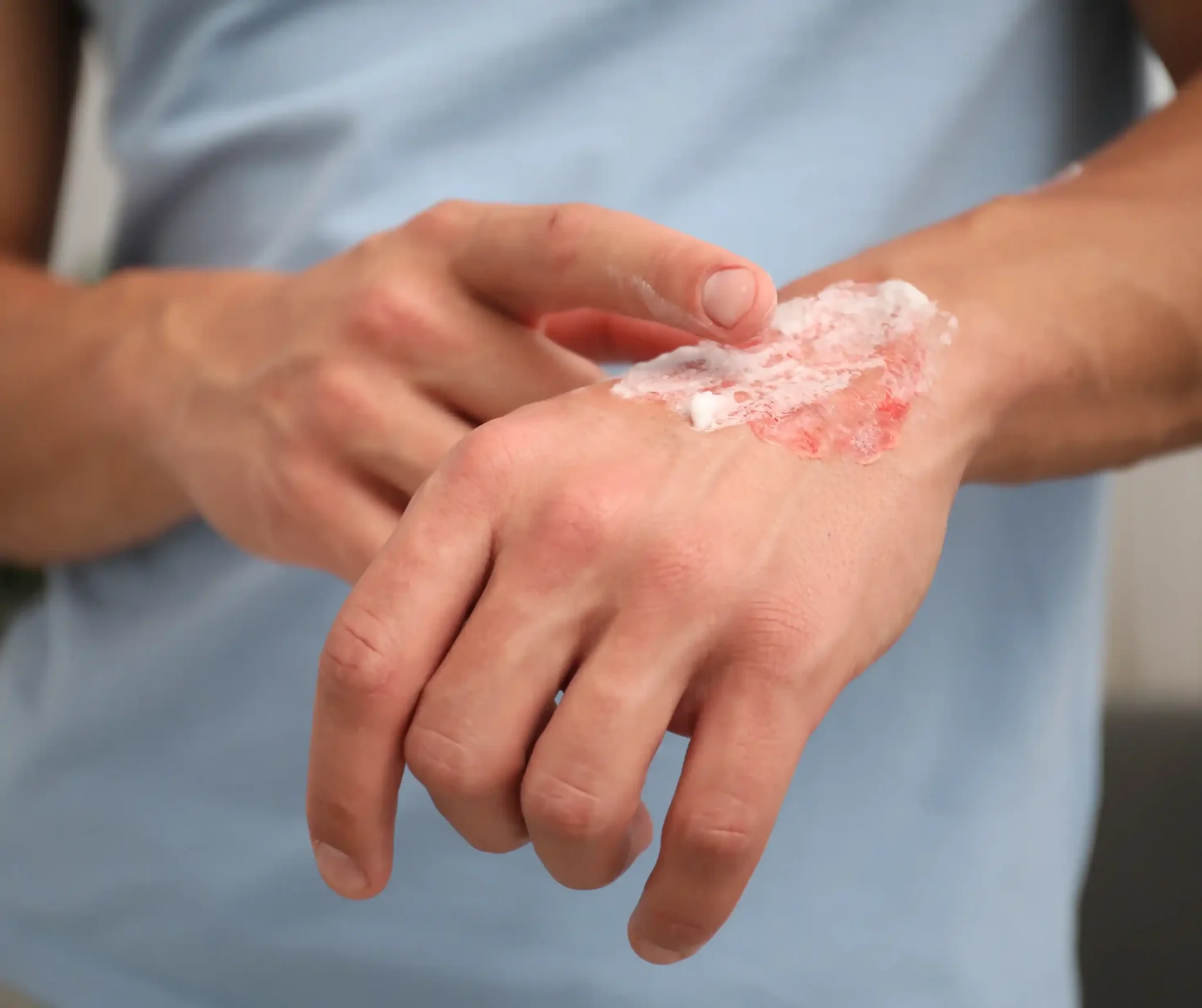
Proper burn treatment is important for reducing pain, preventing infection, and supporting faster healing after a burn injury. Burns can range from mild skin damage to severe injuries that require emergency medical care.
What Is a Burn?
A burn is an injury to the skin or deeper tissues caused by:
- Heat (fire, hot liquids, steam)
- Chemicals
- Electricity
- Sun exposure
Types of Burns
First-Degree Burns
- Affects only the outer skin
- Redness and mild pain
- Usually heals quickly
Second-Degree Burns
- Affects deeper skin layers
- Blisters and swelling
- More painful
Third-Degree Burns
- Severe damage to all skin layers
- May look white, black, or charred
- Requires emergency care
Basic Burn Treatment (First Aid)
For Minor Burns:
- Cool the area with running water
- Apply a clean, non-stick dressing
- Avoid popping blisters
- Use pain relief if needed
- Keep the area clean
Important Do NOT:
- Do not apply ice directly
- Do not use toothpaste or oils
- Do not break blisters
When to Seek Emergency Burn Care
Get immediate medical help if:
- Burn is deep or large
- Blisters cover a wide area
- Burn affects face, hands, or joints
- Chemical or electrical burn occurs
- Signs of infection appear
Medical Burn Treatment Options
In emergency care settings, treatment may include:
- Wound cleaning and dressing
- Pain management
- Infection prevention
- IV fluids for severe burns
- Specialized burn care
Possible Complications of Burns
Without proper care, burns may lead to:
- Infection
- Scarring
- Dehydration
- Skin damage
- Delayed healing
Trusted Emergency Burn Care Support
Quick and professional care is important for burn injuries.
Brand: Er Of Fort Worth provides emergency medical services focused on fast evaluation, wound care, pain relief, and reliable burn treatment support.
Conclusion
Burns require careful attention depending on severity. While minor burns can often be treated at home, serious burns need immediate medical care to prevent complications and support proper healing.
FAQs
1. What is the first step in burn treatment?
Cooling the burn with running water for several minutes.
2. When should I go to the ER for a burn?
For deep, large, or chemical/electrical burns.
3. Can I put ice on a burn?
No, ice can damage the skin further.
4. How do I know if a burn is serious?
Severe pain, blisters, or deep skin damage are warning signs.
5. What helps burns heal faster?
Proper cleaning, dressing, and medical care when needed.
For More Blogs Visit
