Building Sustainable Utility: Innovative Solutions and Practices
Author : Lori Spatt | Published On : 03 Mar 2026
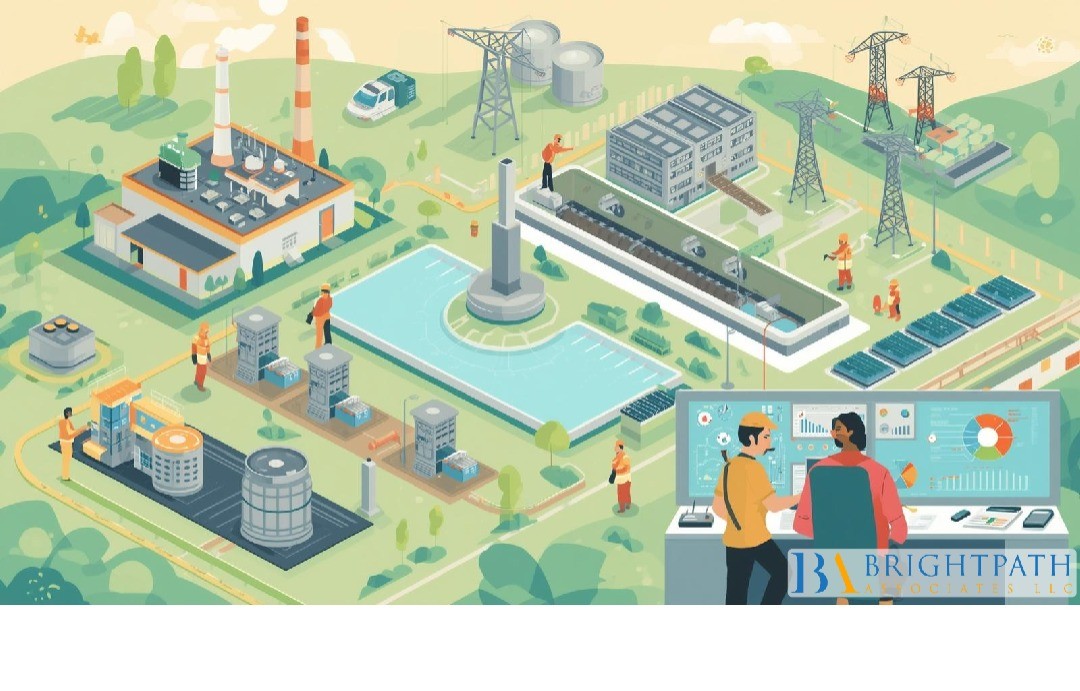
The utility sector is transforming at an unprecedented pace. Driven by environmental regulations, customer expectations, digital disruption, and the urgent imperatives of climate change, utility companies must reimagine how they operate, deliver services, and lead transformation. What was once a sector focused primarily on reliability and cost-control has shifted toward sustainability, resilience, and innovation as core strategic priorities.
For small to mid-sized utilities and energy providers, building a sustainable utility is no longer an optional goal — it is imperative for survival and long-term success. As this industry evolves, it is critical to understand both the technologies reshaping services and the leadership practices that empower organizations to thrive.
At BrightPath Associates LLC, we support utilities in navigating these strategic shifts by connecting companies with leaders who can drive innovation, sustainability, and growth. For a broader overview of the sector we serve, explore our Utilities Industry insights.
Sustainability Imperative for Modern Utilities
Sustainability in utilities goes beyond energy efficiency programs and emissions reduction. It encompasses a holistic framework that aligns organizational strategy with environmental stewardship, digital transformation, operational resilience, and stakeholder engagement. Regulatory expectations, investor demands, and community values now require utilities to balance service reliability with environmental performance. Sustainable utilities must:
-
Reduce Carbon Footprints: Through integration of clean energy sources, emissions management technologies, and enhanced grid optimization.
-
Enhance Operational Efficiency: Through digital platforms, predictive analytics, and intelligent asset management.
-
Promote Resource Conservation: Across electricity, water, and gas systems.
-
Build Resilient Infrastructure: Capable of adapting to climate stresses and evolving energy demands.
These complex, interconnected goals call for innovative practices and transformative leadership at every level.
Digital Innovation: The Engine of Sustainability
Digital technologies are rapidly redefining how utilities operate. From smart grids and IoT sensors to AI and edge analytics, these technologies are creating new pathways to sustainability — enabling better decision-making, reduced waste, and enhanced service delivery. Advanced metering infrastructure (AMI) alone has been shown to reduce peak energy demand by up to 10 % through real-time data insights, while predictive maintenance powered by AI can reduce unplanned downtime by significant margins.
-
Smart Grid and IoT Integration: Smart grids represent a fundamental shift from traditional utility networks to interactive, data-driven systems. By embedding sensors, communication arrays, and automation technologies, utilities gain real-time visibility into consumption patterns, system health, and performance. This helps optimize distribution, minimize losses, and integrate distributed energy resources more effectively.
-
AI and Predictive Analytics: Artificial intelligence and machine learning are unlocking new levels of operational efficiency. Predictive analytics can forecast equipment failures before they occur, enabling condition-based maintenance instead of reactive approaches. AI also enhances demand forecasting accuracy — crucial for balancing variable renewable inputs like solar and wind.
-
Cloud Computing and Digital Platforms: Cloud technologies enable utilities to manage vast amounts of data flexibly and securely. Leveraging the cloud, utilities can support scalable analytics, optimize workloads, and enhance disaster recovery capabilities. These technologies also support remote workforce tools and customer engagement platforms — enabling sustainability improvements across organizational touchpoints.
Renewable Integration and Energy Storage
A sustainable utility must accelerate its integration of renewable energy sources — solar, wind, hydro, and other low-carbon solutions. As utilities diversify their generation portfolios, energy storage solutions become mission-critical. Battery storage systems help mitigate the intermittency of renewables, balance grid loads, and support peak demand without relying on fossil generation.
Additionally, microgrids — localized energy networks capable of islanding from the main grid — are emerging as resilience enablers in communities prone to extreme weather or infrastructure vulnerabilities. These technologies can operate independently or in coordination with the central grid, offering reliability while optimizing renewable utilization.
Customer-Centric Sustainability Practices
The transformation toward sustainability extends beyond utility operations into customer engagement and experience. Utilities that embrace digital channels, transparency, and personalized energy insights build stronger trust and participation among consumers.
Digital customer experiences — through mobile apps, portals, and real-time usage dashboards — help consumers make informed decisions about energy consumption. These platforms also facilitate behavioral nudges that promote energy saving, paperless billing, and participation in demand-response programs that benefit both customers and grid stability.
Furthermore, utilities can embed sustainability metrics into organizational KPIs, ensuring environmental goals become core performance indicators for teams across departments rather than siloed initiatives. This shared accountability fosters a cultural shift toward environmental responsibility at every level.
Infrastructure Modernization: Long-Term Resilience
Modernizing utility infrastructure is vital to sustainability. Failure to upgrade aging grids, water systems, or gas networks increases maintenance costs, risks outages, and limits capacity to integrate modern technologies. Best practices in infrastructure modernization include:
-
Asset Management Strategies: Extending asset lifecycles through data-driven maintenance plans.
-
Digital Twin Technology: Creating virtual replicas of physical systems to simulate performance and plan upgrades.
-
Water Conservation and Leak Detection: Using smart sensors to monitor distribution networks and reduce resource loss.
-
Grid Automation and Decentralized Controls: Increasing reliability, lowering operational costs, and enhancing responsiveness.
Utilities that invest strategically in infrastructure today are better positioned to deliver resilient, efficient, and sustainable service tomorrow.
A Future Built on Sustainability and Strategic Leadership
The journey toward a sustainable utility is multifaceted — driven by innovation, environmental stewardship, customer engagement, and bold leadership. The utilities that succeed will be those that treat sustainability not as a compliance checkbox but as a competitive differentiator.
As you build and evolve your sustainability strategy, remember this: Technology influences what is possible, but leadership determines what becomes reality. For more insights on pioneering solutions and industry best practices in building a sustainable utility, dive into our full discussion here: Building Sustainable Utility.
