Building Sustainable Future: Evolving Forest Industry
Author : Kalvin Moss | Published On : 17 Apr 2026
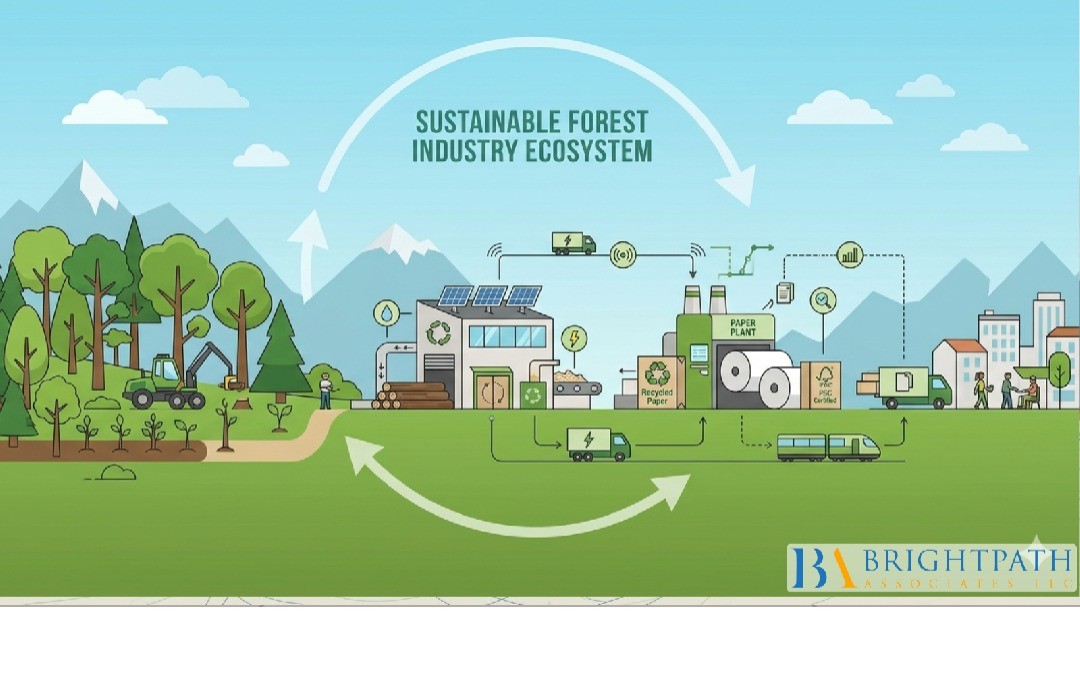
The forest products industry is undergoing a profound transformation, driven by sustainability demands, technological innovation, and shifting global market dynamics. For small to mid-sized enterprises across the United States, this evolution is not just an environmental responsibility—it is a strategic imperative. As businesses navigate increasing regulatory pressures, changing consumer expectations, and workforce challenges, the ability to align sustainability with operational efficiency has become a defining factor for long-term success. To explore the foundational perspective on this transformation, you can refer to the original article here: Evolving Forest Industry.
The economic significance of the forest industry cannot be overstated. In the United States alone, the sector contributes hundreds of billions of dollars annually and supports millions of jobs across rural and urban communities. In fact, the industry generates over half a trillion dollars in direct output and supports approximately 3.84 million jobs, making it a cornerstone of the national economy . Beyond economics, the sector plays a critical role in environmental stewardship, as sustainable forestry practices ensure the long-term health of ecosystems while supporting industrial growth. However, this balance between economic output and environmental responsibility is becoming increasingly complex as climate change, resource constraints, and global competition reshape the landscape.
One of the most significant shifts in the forest industry is the growing emphasis on sustainability and the bioeconomy. Wood and forest-based products are being recognized as renewable alternatives to carbon-intensive materials, driving demand in sectors such as construction, packaging, and energy. Innovations like mass timber, bio-based materials, and nanotechnology are opening new opportunities for growth while reducing environmental impact . At the same time, sustainability certifications and responsible sourcing practices are becoming essential for maintaining market credibility and meeting consumer expectations. Companies that fail to adapt risk losing both market share and stakeholder trust in an increasingly environmentally conscious world.
Despite these opportunities, the industry faces significant structural challenges, particularly in workforce development and talent acquisition. The forest products sector is experiencing an aging workforce, with many experienced professionals approaching retirement and fewer younger workers entering the field. This demographic shift is compounded by the rural nature of many operations, which limits access to a diverse talent pool and makes recruitment more difficult . Additionally, evolving skill requirements—driven by automation, digitalization, and sustainability initiatives—are creating a gap between existing workforce capabilities and future industry needs. Without strategic intervention, this talent shortage could hinder innovation and slow industry growth.
Another layer of complexity comes from the impact of climate change on forest-based operations. Variations in temperature, precipitation, and extreme weather events are directly affecting timber production, supply chains, and employment patterns. Research indicates that climate factors such as rising temperatures can negatively impact forest-based employment, particularly in regions heavily dependent on timber production . This highlights the need for adaptive strategies that not only address environmental challenges but also ensure workforce resilience and operational continuity.
In response to these challenges, forward-thinking organizations are adopting integrated strategies that combine sustainability, technology, and workforce development. Digital tools and automation are improving efficiency and enabling smarter resource management, while data-driven decision-making is enhancing supply chain resilience. At the same time, companies are investing in training programs and partnerships with educational institutions to build a future-ready workforce. These initiatives are essential for bridging the skills gap and ensuring that employees are equipped to handle the complexities of modern forestry operations.
Equally important is the role of leadership in driving this transformation. C-suite executives and business owners must recognize that sustainability and talent strategy are deeply interconnected. Building a sustainable future is not just about adopting eco-friendly practices—it requires a holistic approach that includes workforce planning, innovation, and strategic partnerships. Leaders who prioritize these areas are better positioned to navigate market uncertainties and capitalize on emerging opportunities. For a broader understanding of how these dynamics are shaping the sector, explore Paper and Forest products industry focused resource.
Strategic recruitment plays a critical role in enabling this transformation. As the demand for specialized skills increases, companies need access to talent that can drive innovation, manage complex operations, and lead sustainability initiatives. This is where expert recruitment partners like BrightPath Associates LLC add significant value. By understanding the unique challenges of the forest products industry, they help organizations identify and secure top-tier talent, align hiring strategies with business goals, and build leadership pipelines that support long-term growth. For small to mid-sized enterprises, this partnership can be a game-changer, providing the expertise and agility needed to compete in a rapidly evolving market.
Looking ahead, the future of the forest industry will be defined by its ability to adapt and innovate. The shift toward sustainable materials, the integration of advanced technologies, and the development of a skilled workforce are not isolated trends—they are interconnected drivers of transformation. Companies that embrace this holistic approach will not only enhance their competitiveness but also contribute to a more sustainable and resilient global economy. Conversely, those that fail to evolve risk being left behind in an industry that is rapidly redefining itself.
Ultimately, the evolving forest industry presents both challenges and opportunities. The path forward requires a strategic mindset, a commitment to sustainability, and a proactive approach to talent development. For business leaders, the question is no longer whether change is coming—it is how prepared they are to lead it. Are you investing in the right skills? Are you aligning your workforce strategy with future demands? Are you leveraging the right partnerships to accelerate growth? The answers to these questions will determine your organization’s position in the next chapter of the forest products industry.
If you’re ready to strengthen your workforce, build leadership capabilities, and navigate the complexities of the Paper & Forest Products sector, now is the time to take action. The future is being shaped today—make sure your organization is at the forefront of that transformation.
