Building Resilient Distribution Network: Strategies for Volatile Markets
Author : Shawn Fisher | Published On : 22 Jun 2026
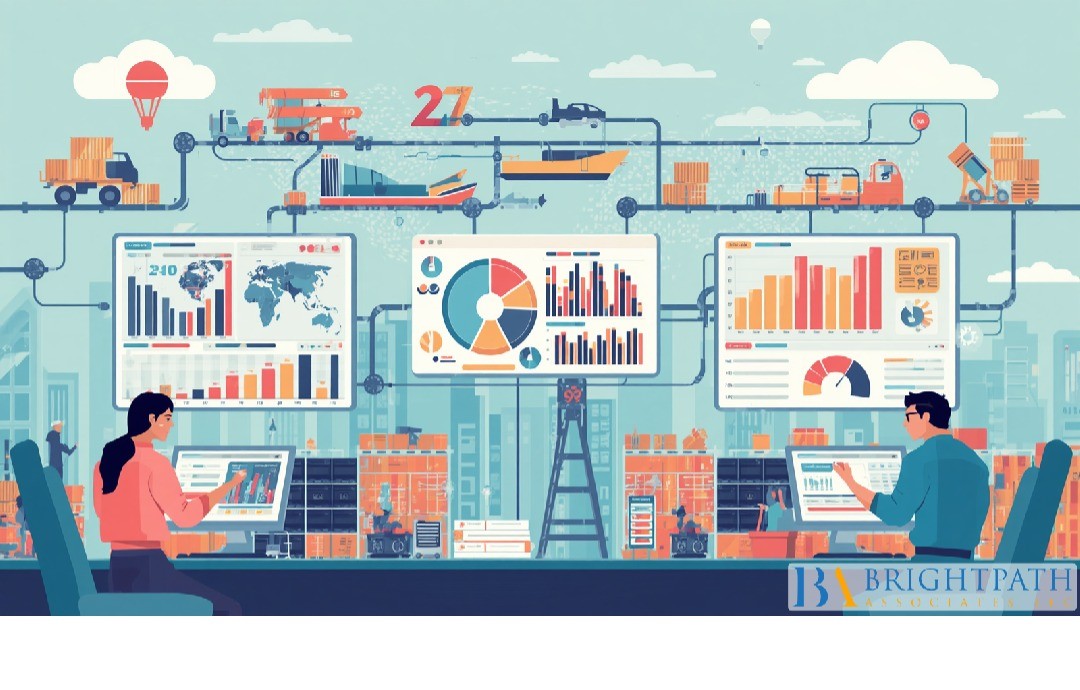
The building materials industry has always operated within a dynamic environment, but today's market conditions have elevated uncertainty to unprecedented levels. Supply chain disruptions, fluctuating raw material costs, transportation bottlenecks, labor shortages, geopolitical events, and shifting customer demands have created a business landscape where resilience is no longer optional—it is essential.
For manufacturers, distributors, and suppliers in the building materials sector, the strength of a distribution network often determines the ability to maintain customer satisfaction, protect margins, and sustain growth during periods of market volatility. Organizations that can adapt quickly to disruptions while maintaining operational continuity gain a significant competitive advantage over those that rely on rigid, traditional distribution models.
As market uncertainty continues to challenge businesses across the construction and manufacturing ecosystem, industry leaders are increasingly focused on building resilient distribution networks capable of withstanding disruptions and supporting long-term growth.
Why Distribution Network Resilience Matters
Distribution networks serve as the backbone of the building materials industry. Whether supplying cement, aggregates, roofing products, insulation materials, lumber, steel components, or specialty construction products, efficient distribution ensures that projects remain on schedule and customers receive products when and where they need them.
However, recent years have demonstrated how vulnerable supply chains can be. Global disruptions have exposed weaknesses in sourcing strategies, transportation systems, inventory management practices, and supplier relationships. Organizations that previously prioritized cost minimization above all else often discovered that efficiency alone could not protect them from unexpected events.
Today, resilience has become equally important as efficiency. Forward-thinking companies are balancing cost control with flexibility, visibility, and risk management to create distribution networks that can adapt to changing market conditions. Research and industry analysis increasingly emphasize the importance of diversified sourcing, enhanced visibility, proactive risk management, and digital transformation as key pillars of supply chain resilience.
Diversifying Supply Sources
One of the most effective strategies for building a resilient distribution network is reducing dependence on a limited number of suppliers or geographic regions. Many building materials manufacturers learned difficult lessons when single-source suppliers experienced production delays, transportation interruptions, or material shortages. Diversification helps mitigate these risks by creating alternative sourcing options when disruptions occur.
Organizations that establish relationships with multiple suppliers can improve supply continuity, maintain production schedules, and reduce exposure to regional disruptions. Supplier diversification also creates opportunities for competitive pricing, innovation, and stronger negotiating positions.
Beyond first-tier suppliers, leading organizations are gaining greater visibility into second- and third-tier suppliers to identify hidden vulnerabilities that could affect future operations. This broader perspective strengthens overall supply chain resilience and supports more informed strategic planning.
Leveraging Data and Supply Chain Visibility
Organizations cannot respond effectively to disruptions they cannot see. Modern distribution networks increasingly rely on real-time visibility tools that provide insights into inventory levels, shipment locations, supplier performance, demand patterns, and transportation conditions.
Advanced analytics, cloud-based platforms, Internet of Things (IoT) technologies, and digital control towers allow leaders to monitor operations across the entire supply chain. These technologies help identify potential issues before they escalate into major disruptions, enabling proactive decision-making.
Improved visibility also supports more accurate forecasting and inventory management. Rather than reacting to shortages or demand spikes, companies can anticipate market changes and adjust their operations accordingly. Industry experts continue to highlight digital transformation as a key enabler of resilient and responsive supply chain management.
Strengthening Transportation and Logistics Networks
Rising fuel costs, carrier capacity constraints, labor shortages, weather events, and infrastructure challenges can all impact product delivery timelines. Companies that rely on a single transportation provider or limited logistics options may find themselves particularly vulnerable during periods of disruption.
Resilient organizations develop diversified logistics strategies that include multiple transportation partners, alternative routes, and flexible shipping options. This approach creates operational redundancy and improves the ability to adapt when challenges arise.
Investments in logistics technology also support resilience by providing real-time shipment tracking, predictive delivery estimates, and proactive exception management capabilities. Enhanced visibility helps organizations maintain customer confidence even when disruptions occur.
Leadership's Role in Distribution Resilience
Organizations need leaders who can navigate uncertainty, manage risk, drive operational excellence, and foster collaboration across complex ecosystems. Strategic thinking, adaptability, communication, and data-driven decision-making have become essential leadership capabilities within the building materials industry.
As companies modernize operations and strengthen distribution capabilities, the demand for experienced supply chain executives, operations leaders, logistics specialists, and digital transformation experts continues to grow.
Companies seeking to strengthen their competitive position can benefit from understanding broader workforce trends and leadership strategies within the Building Materials Industry. Similarly, industry leaders interested in exploring additional perspectives on distribution resilience and market volatility can review BrightPath Associates LLC's original article: Building Resilient Distribution Network.
Looking Ahead
Volatility is likely to remain a defining characteristic of the building materials industry for the foreseeable future. Organizations cannot eliminate uncertainty, but they can improve their ability to respond, recover, and thrive when disruptions occur.
Building resilient distribution networks requires a comprehensive approach that combines supplier diversification, real-time visibility, strategic inventory management, logistics flexibility, digital transformation, and strong leadership. Companies that invest in these capabilities today will be better positioned to navigate tomorrow's challenges while delivering consistent value to customers and stakeholders.
