Building Operations: Strategies for Efficiency and Sustainability
Author : Ross Lichtig | Published On : 02 Mar 2026
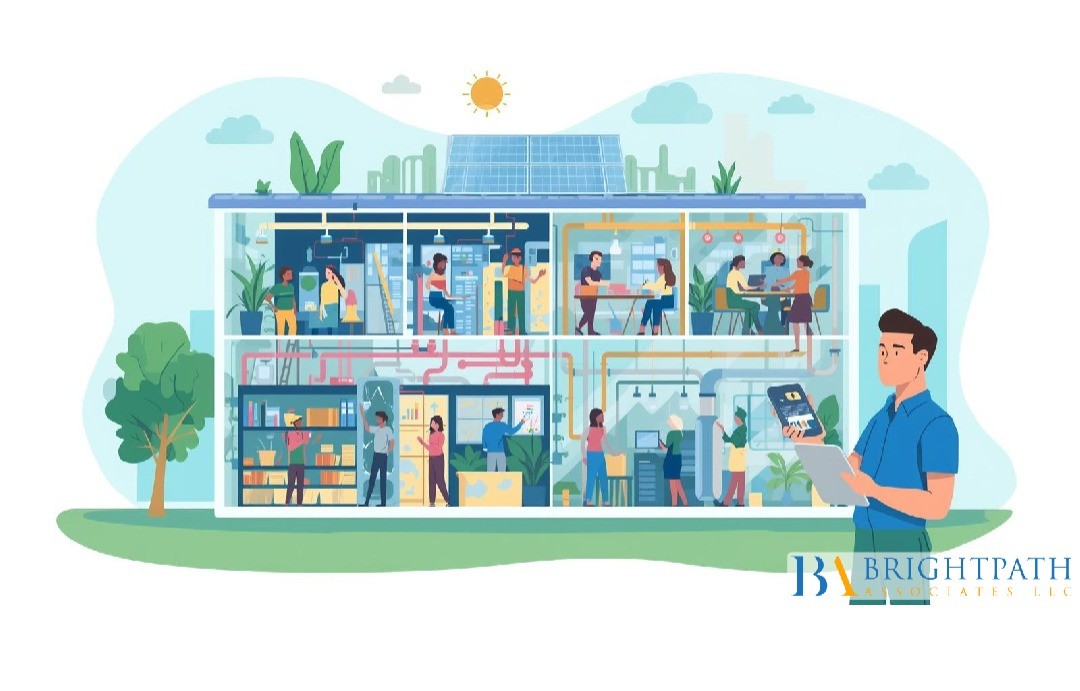
In today’s facilities management environment, operational excellence isn’t just defined by keeping systems running — it’s defined by how efficiently and sustainably buildings operate, while simultaneously improving user experience, reducing risk, and lowering costs. For executive leaders and talent strategists in the facilities services sector, this means aligning operational strategy with long-term sustainability goals that drive business performance.
At its core, effective facilities management transforms building operations from a reactive afterthought to a strategic asset. Whether you oversee commercial real estate portfolios, corporate campuses, retail environments, or industrial facilities, adopting forward-looking operational strategies is essential. To understand how these strategies fit into broader service models, explore the comprehensive solutions offered in our Facilities Management Services industry page.
Why Efficiency and Sustainability Matter in Building Operations
Buildings are major consumers of energy, water, and materials — accounting for a significant portion of operational expenses and environmental impact. According to industry research, embracing sustainability not only reduces utility costs and carbon emissions but also enhances occupant health, improves market reputation, and strengthens compliance with evolving regulations.
With corporate ESG (Environmental, Social, Governance) expectations rising across sectors, facilities managers are uniquely positioned to lead these strategic initiatives. Efficient building operations become a competitive differentiator, influencing everything from employee satisfaction to commercial occupancy rates. Some of the essential strategic benefits include:
-
Lower operating costs through optimized energy and resource usage.
-
Reduced environmental footprint and improved sustainability metrics.
-
Enhanced resilience and adaptability to future challenges.
-
Improved occupant comfort, productivity, and health outcomes.
What follows are the key operational strategies facilities leaders should implement today to build smarter, more sustainable environments.
1. Prioritize Energy Efficiency Across Systems
Energy consumption represents one of the largest cost components in any building’s operation. Upgrading and optimizing energy systems is often the first and most impactful step toward sustainability. Actionable steps include:
-
Upgrade lighting to automated LED systems that adjust to occupancy and daylight.
-
Optimize HVAC performance through scheduled maintenance, energy-efficient units, and smart thermostatic controls.
-
Deploy building automation systems (BAS) to centralize control and reduce waste.
-
Conduct energy audits to pinpoint inefficiencies and opportunities for improvement.
When buildings intelligently adjust energy usage based on real-time needs, organizations see measurable cost savings and reduced environmental impact — without compromising comfort or productivity.
2. Implement Predictive and Preventive Maintenance
Reactive maintenance — waiting until equipment fails before servicing it — is both costly and disruptive. Instead, predictive and preventive practices ensure systems remain reliable, efficient, and available when needed. Best practices include:
-
IoT sensors and condition monitoring that alert teams before failures occur.
-
Scheduled service plans for core equipment like chillers, HVAC units, pumps, and generators.
-
Data-driven performance analysis to identify trends and optimize service timing.
By anticipating issues rather than reacting to them, facilities reduce downtime, extend asset lifecycle, and preserve energy efficiency.
3. Integrate Smart Technologies and IoT
Smart buildings aren’t futuristic ideas — they are competitive necessities. Modern technology provides the data and control needed to elevate operational performance:
-
IoT sensors that track occupancy, temperature, air quality, and system usage in real time.
-
Advanced analytics and machine learning to forecast trends and optimize control strategies.
-
Automated responses to environmental shifts, reducing manual workloads and energy waste.
These technologies not only support sustainability but also enhance comfort and safety, making buildings more responsive and adaptive to occupant needs.
4. Water Resource Management
Water is often an undervalued operational asset, yet inefficient systems can contribute significantly to waste and cost. Smart water management strategies include:
-
Low-flow fixtures and sensor-activated systems.
-
Rainwater harvesting and greywater reuse where feasible.
-
Leak detection technologies that alert teams to excessive consumption before they escalate.
Reducing water usage not only controls costs but also strengthens environmental stewardship — a key consideration for stakeholders and investors.
5. Waste Reduction and Sustainable Procurement
Sustainable facilities don’t just manage resources — they minimize waste and prioritize responsible material sourcing. Key strategies include:
-
Comprehensive recycling and composting programs.
-
Sustainable procurement policies that favor eco-friendly supplies and vendors.
-
Digital documentation and paper reduction initiatives.
These measures support circular economy principles, reduce landfill contributions, and foster a culture of responsibility among users and stakeholders.
Conclusion: From Operations to Organizational Advantage
Efficient and sustainable building operations are no longer optional — they are essential for organizations that want to improve performance, manage risk, and differentiate themselves in a competitive market. The right strategies, combined with intelligent technologies and a commitment to continuous improvement, deliver measurable benefits for both the bottom line and the planet.
Strategic talent is equally essential to execute these ambitious operational agendas. Leaders who can champion innovation, align people with purpose, and drive reflective organizational change are in high demand across the facilities services landscape. For deeper insights, revisit the original blog Building Operations Strategies for Efficiency and Sustainability.
