Building Material Volatility: Why Dual-Sourcing is the New Safety Net
Author : Shawn Fisher | Published On : 18 Aug 2026
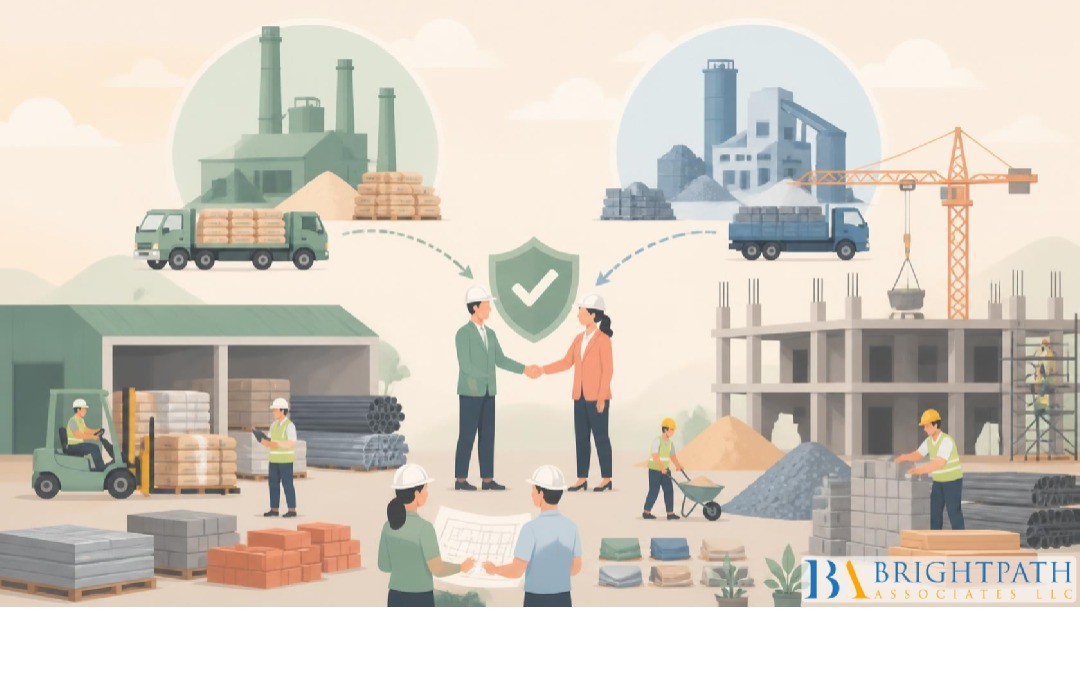
The building materials sector is operating in an environment where predictability can no longer be taken for granted. Prices can shift rapidly, transportation networks can experience disruptions, suppliers can face production constraints, and geopolitical or economic developments can affect the availability of essential materials.
For small and mid-sized companies, these disruptions can be particularly difficult to absorb. Larger organizations may have greater purchasing power, broader supplier networks, and more financial flexibility. Smaller businesses often have fewer alternatives when a critical supplier increases prices, delays shipments, or becomes unable to fulfill an order.
This is why dual sourcing is becoming an increasingly important risk-management strategy across the Building Materials Industry. Rather than relying entirely on one supplier, companies are developing relationships with multiple qualified sources to create greater flexibility when market conditions change.
Why Building Material Volatility Has Become a Strategic Concern
Volatility is not a new phenomenon for manufacturers and construction-related businesses. However, the frequency and interconnected nature of disruptions have increased the importance of supply-chain resilience.
A shortage of raw materials can affect production schedules. Higher transportation costs can increase product prices. Energy price fluctuations can influence manufacturing expenses. Changes in construction demand can suddenly alter procurement requirements.
Materials such as cement, steel, lumber, aggregates, glass, insulation, and other specialized products can all experience changes in availability or cost. For businesses operating on tight margins, even a relatively small increase in input costs can affect profitability.
The Weakness of Single-Supplier Dependence
A single-source procurement strategy can appear attractive because it simplifies vendor management. A company may develop strong relationships with one supplier, negotiate favorable pricing, standardize purchasing processes, and reduce administrative complexity.
If that supplier experiences a production shutdown, transportation problem, labor shortage, equipment failure, or financial difficulty, the buyer may have few immediate alternatives. The problem becomes even more serious when the supplier provides a critical material that cannot easily be substituted. A lower purchase price may therefore come with a hidden cost: concentration risk.
Dual Sourcing Creates a Supply-Side Safety Net
Dual sourcing involves establishing relationships with at least two qualified suppliers for an important material or component. The objective is not necessarily to split purchasing volumes equally. A company might purchase most of its requirements from its primary supplier while maintaining a smaller but active relationship with a secondary supplier.
This creates an alternative source that can potentially be scaled when conditions change. The secondary supplier also provides useful market intelligence. Companies can compare pricing, lead times, quality performance, capacity, and service levels across suppliers. This information can strengthen procurement negotiations and improve decision-making.
The Goal Is Resilience, Not Simply More Vendors
Adding suppliers without a strategic framework does not automatically create resilience. A secondary supplier must be capable of meeting the company's quality, technical, capacity, regulatory, and delivery requirements.
This is particularly important in the building materials sector, where product specifications can be highly important to downstream construction applications. Companies should therefore evaluate suppliers carefully before designating them as alternatives.
Quality consistency, production capacity, geographic location, financial stability, lead times, logistics capabilities, and responsiveness should all be considered. The strongest dual-sourcing strategies treat the second supplier as a strategic relationship rather than an emergency contact.
Geographic Diversification Can Reduce Regional Risk
Dual sourcing can become even more effective when suppliers are geographically diversified. If two suppliers operate in the same region, they may be exposed to the same risks. A severe weather event, regional transportation disruption, power shortage, regulatory change, or labor issue could affect both simultaneously.
Companies can reduce this concentration by developing supplier relationships across different geographic areas. For U.S. building materials businesses, this approach may help protect operations from localized disruptions while providing additional flexibility when transportation conditions change. However, geographic diversification must be evaluated alongside logistics costs and delivery requirements.
Preparing for the Next Disruption
No sourcing strategy can eliminate every risk. The objective is to reduce vulnerability and increase the organization's ability to respond. Companies should regularly ask whether they could continue operating if their primary supplier stopped delivering for several weeks or months.
Could another supplier meet the required specifications? How quickly could production be shifted? What would happen to costs? Would customers experience delays? These questions can expose vulnerabilities before an actual disruption occurs.
As explored in BrightPath Associates' Building Material Volatility New Safety Net, organizations that proactively evaluate supplier concentration can put themselves in a stronger position to manage market uncertainty.
