Building Closed-Loop Systems: The Future of Resource Efficiency in Textiles
Author : Ayesha Diaz | Published On : 04 Jun 2026
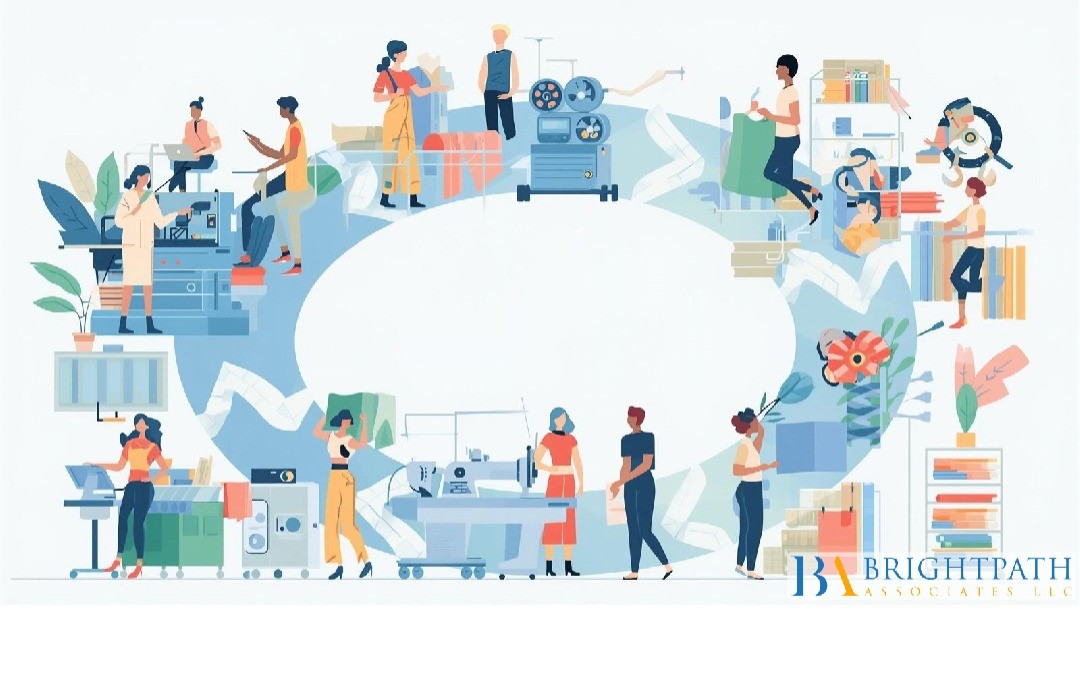
The textile industry is at a pivotal moment. Rising resource costs, increasing environmental regulations, shifting consumer expectations, and growing sustainability commitments are forcing manufacturers to rethink traditional production models. For decades, the industry has largely operated within a linear framework: extract resources, manufacture products, sell goods, and dispose of waste. While this approach fueled industrial growth, it has also contributed to significant environmental challenges, resource depletion, and mounting waste streams.
Today, forward-thinking textile companies are embracing a new paradigm—closed-loop systems. These circular production models are transforming how materials are sourced, used, recovered, and reused throughout the textile value chain. As organizations seek greater resource efficiency and long-term sustainability, closed-loop systems are emerging as one of the most important strategies shaping the future of textile manufacturing.
Industry leaders seeking a broader perspective on sustainability, innovation, and workforce transformation can explore the Textile Industry, where emerging trends continue to redefine how textile organizations compete and grow.
Understanding Closed-Loop Systems in Textiles
A closed-loop system aims to continuously recover, recycle, and reintegrate materials back into production processes. Instead of discarding products at the end of their useful life, materials are collected, processed, and transformed into new products with minimal loss of value.
The ultimate goal is to create a manufacturing ecosystem where waste becomes a resource rather than a liability.
Research on textile circularity highlights that closed-loop pathways often deliver greater value retention and environmental benefits than traditional disposal or downcycling methods. As technologies continue to mature, opportunities for true textile-to-textile recycling are expanding rapidly.
Resource Efficiency as a Competitive Advantage
Resource efficiency is no longer simply an environmental objective—it is becoming a business imperative.
Raw material costs remain volatile, supply chain disruptions continue to challenge manufacturers, and customers increasingly expect sustainable products. Organizations that successfully reduce resource consumption can improve operational performance while strengthening profitability.
As resource scarcity becomes a growing concern, companies capable of maximizing material recovery and reuse will likely gain significant competitive advantages over those relying solely on traditional production models.
Technology Is Accelerating Circular Transformation
Technological innovation is playing a critical role in making closed-loop systems more practical and scalable.
Advanced sorting technologies, digital tracking systems, artificial intelligence, and data analytics are enabling manufacturers to better manage material flows throughout the product lifecycle. Digital transformation initiatives across the textile sector are already improving visibility, traceability, and operational efficiency throughout supply chains.
Emerging technologies can identify fiber compositions, track materials through production processes, and support more efficient recycling operations. Blockchain platforms and digital product records are also helping organizations improve transparency while supporting future circular economy initiatives.
As these technologies become more accessible, even small and mid-sized manufacturers will have greater opportunities to participate in circular production ecosystems.
Sustainability and Consumer Expectations
Consumer attitudes toward sustainability have evolved significantly over the past decade. Today's customers increasingly want products that align with their environmental values, and many are paying closer attention to how products are manufactured, sourced, and disposed of.
This shift is creating new opportunities for textile organizations that embrace circular business models. Companies that demonstrate measurable progress toward waste reduction, recycling, and resource efficiency often strengthen customer trust and differentiate themselves within competitive markets.
Closed-loop systems support these objectives by creating more sustainable products while reducing environmental impacts throughout the value chain. In many cases, sustainability initiatives also generate operational efficiencies that improve business performance.
Organizations that view sustainability as a strategic advantage rather than a compliance obligation are often better positioned to capture emerging market opportunities.
Workforce and Leadership Challenges
While technology and sustainability initiatives are important, the success of closed-loop systems ultimately depends on people.
Implementing circular business models requires leaders who understand sustainability strategy, supply chain management, manufacturing operations, and organizational transformation. As the textile industry evolves, demand is increasing for professionals with expertise in circular economy principles, advanced manufacturing technologies, data analytics, and environmental stewardship.
Many organizations are discovering that workforce development and leadership recruitment are critical components of successful sustainability initiatives. Building a circular enterprise requires talent capable of driving innovation while managing operational complexity.
For small and mid-sized textile companies, securing this expertise can be a significant challenge. However, organizations that invest in strategic leadership and workforce planning are often better positioned to capitalize on the opportunities presented by circular production models.
The Road Ahead
The transition to closed-loop systems will not happen overnight. It requires investment, collaboration, technological innovation, and a willingness to rethink traditional business practices. However, the direction of the industry is becoming increasingly clear.
As regulations evolve, consumer expectations continue to rise, and resource pressures intensify, circularity will likely become a defining characteristic of successful textile organizations. Companies that begin building closed-loop capabilities today will be better prepared to navigate future challenges while creating long-term value for customers, stakeholders, and the environment.
For additional insights into this important transformation, readers can explore Building Closed-Loop Systems: The Future of Resource Efficiency in Textiles, which examines how circular production strategies are helping textile manufacturers improve efficiency, reduce waste, and strengthen sustainability performance.
