Building Better ESG Disclosures Through Smarter Data and Reporting
Author : sentra.world Technologies Private Limited | Published On : 08 Aug 2026
Why ESG Reporting Has Become a Business Priority
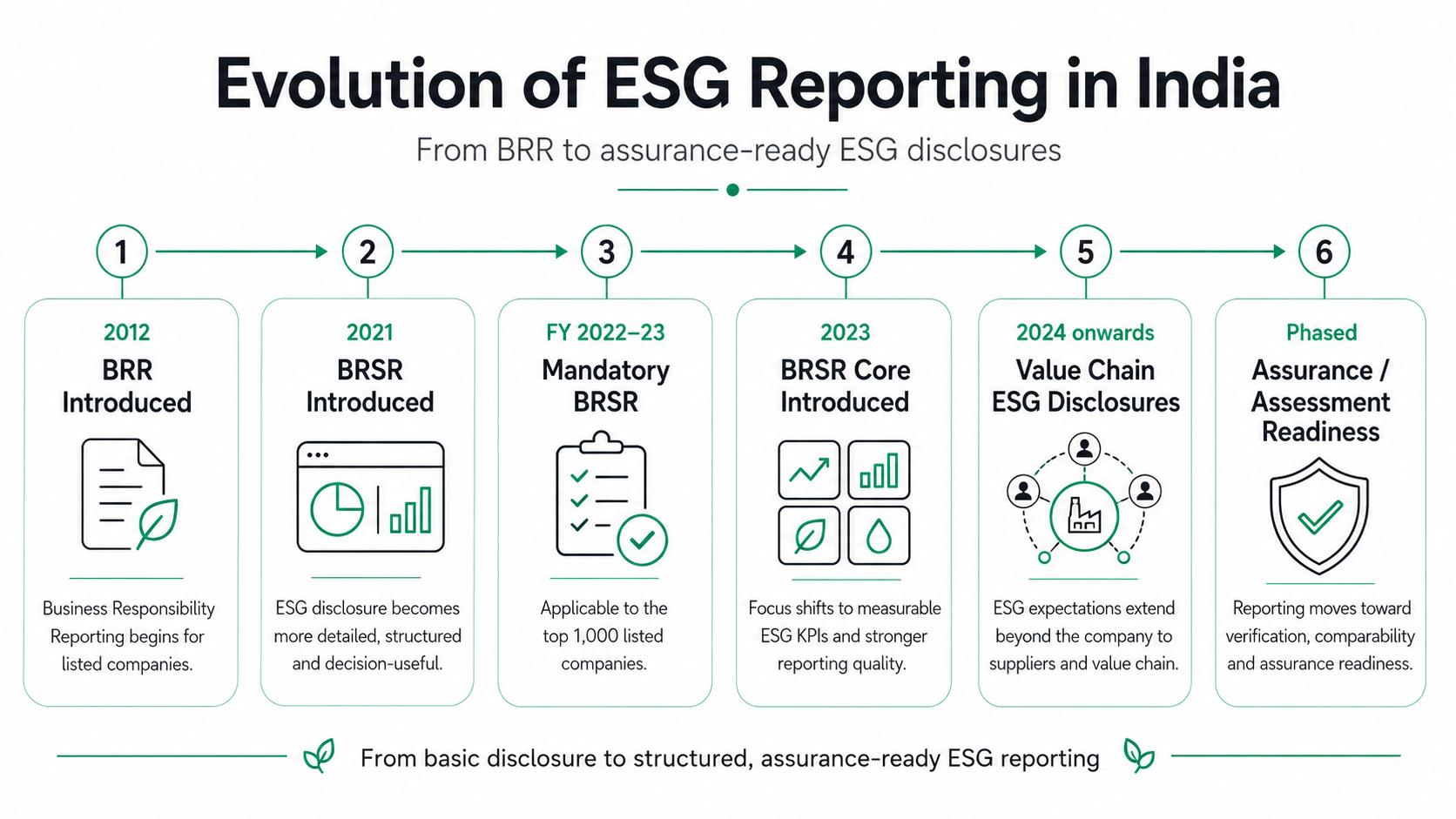
A sustainability report may look like a polished document, but behind every credible disclosure lies a large amount of data, review, calculation, and accountability. As environmental, social, and governance expectations continue to develop, organizations are increasingly expected to provide information that is accurate, consistent, and supported by evidence. In India, eligible listed companies must understand BRSR reporting requirements as part of the country’s structured sustainability disclosure environment. Effective ESG reporting is therefore no longer simply about presenting positive sustainability initiatives; it requires dependable processes that connect operational information with transparent and responsible disclosure.
Understanding the Purpose of Structured ESG Disclosure
ESG reporting helps stakeholders understand how an organization manages environmental impacts, social responsibilities, governance practices, and long-term sustainability risks. Environmental information can include energy consumption, emissions, water usage, and waste, while social information may cover employee wellbeing, safety, diversity, and responsible business practices. Governance disclosures can address ethics, oversight, accountability, compliance, and risk management. When these areas are reported consistently, stakeholders can better evaluate an organization’s sustainability performance. A structured approach also helps internal teams identify information gaps, improve accountability, and establish clearer ownership over important sustainability data.
The Challenge of Collecting Reliable Sustainability Data
One of the biggest challenges in ESG reporting is that relevant information rarely exists in one location. Data may come from manufacturing facilities, finance departments, human resources teams, procurement functions, environmental systems, suppliers, invoices, utility records, and spreadsheets. Different departments may also use different definitions, formats, measurement periods, and calculation methods. Without appropriate controls, these differences can create inconsistencies and make verification difficult. A reliable reporting process should therefore establish clear data ownership, consistent methodologies, supporting documentation, and review procedures so that reported figures can be traced back to credible sources when required.
How Digital Technology Can Improve ESG Reporting
Technology can significantly simplify complex reporting workflows when sustainability information is spread across multiple departments and operational locations. An ESG reporting software solution can centralize relevant information, support data collection, organize calculations, maintain evidence, and connect disclosures with appropriate reporting frameworks. Digital systems can also reduce dependence on disconnected spreadsheets, making it easier to identify missing information and maintain consistent records. For organizations handling large volumes of environmental and operational information, a centralized platform can provide greater visibility while helping sustainability teams spend less time consolidating data and more time evaluating performance.
Creating Stronger Data Accuracy and Accountability
Accurate reporting depends on more than collecting numbers. Every important metric should have a defined source, responsible owner, calculation method, and supporting evidence. This becomes especially important when information may later be reviewed by auditors, investors, regulators, customers, or other stakeholders. Digital workflows can help organizations establish approval processes, preserve documentation, track changes, and maintain historical records. Such controls can also make recurring reporting cycles more manageable because previous information, methodologies, and evidence can be reviewed rather than recreated from scratch. Better accountability ultimately strengthens confidence in published sustainability information.
Connecting Multiple Reporting Frameworks More Efficiently
Organizations operating across markets may need to consider several sustainability frameworks, standards, and stakeholder questionnaires. Reporting expectations can differ according to jurisdiction, industry, regulatory status, and business relationships. India’s ESG environment includes BRSR and BRSR Core, while organizations may also encounter frameworks such as GRI, ISSB, CSRD, and other market-specific requirements. Building a common ESG data foundation can make this complexity easier to manage. Instead of repeatedly collecting similar information for separate disclosures, organizations can maintain structured datasets that can be reviewed and mapped according to the reporting purpose.
Turning Reporting Data Into Better Business Insight
ESG reporting should not be viewed only as an annual compliance exercise. When sustainability information is collected continuously and organized properly, it can provide useful insights for operational decision-making. Emissions data may reveal areas where efficiency improvements are possible, while energy and water information can highlight resource-management opportunities. Workforce information can support stronger safety and employee initiatives, and supplier data can reveal potential sustainability risks within the value chain. By treating ESG information as business intelligence rather than paperwork, organizations can connect sustainability objectives with operational improvement, risk management, resilience, and long-term planning.
Building a More Reliable Future for ESG Reporting
The future of sustainability disclosure will depend increasingly on data quality, transparency, traceability, and efficient reporting processes. Organizations that establish strong foundations early can respond more effectively as expectations evolve and additional stakeholders request detailed sustainability information. Digital reporting can support this transition by connecting source data, calculations, evidence, approvals, dashboards, and disclosures within a more structured workflow. For organizations seeking to strengthen this process, sentra.world Technologies Private Limited provides ESG and sustainability reporting solutions designed to help industrial manufacturers manage complex ESG data and prepare audit-ready disclosures.
