Building a Trust-Driven Workplace: Leadership Lessons from Dr. Gustavo
Author : Dr. Gustavo Grodnitzky | Published On : 30 Jun 2026
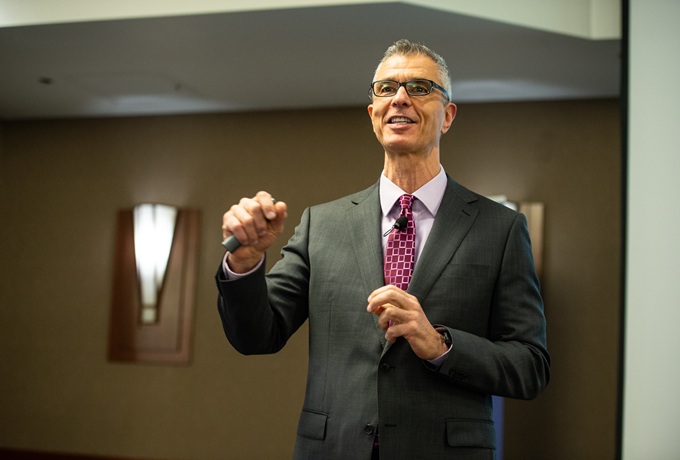
A thriving workplace is not built on policies alone. It is built on relationships, shared purpose, and most importantly, trust. Employees who trust their leaders are more engaged, communicate openly, and are willing to contribute their best ideas. Without trust, even the most talented teams struggle with uncertainty, poor collaboration, and low morale.
In his leadership insights, Dr Gustavo highlights trust as one of the most valuable assets an organization can develop. Rather than treating trust as a soft skill, he presents it as a strategic advantage that influences productivity, innovation, employee retention, and long-term business success.
Whether you lead a growing company, manage a department, or supervise a small team, creating a trust-driven workplace should be one of your highest priorities. This article explores practical leadership lessons inspired by Dr Gustavo and provides actionable strategies you can apply to strengthen trust throughout your organization.
Why Dr Gustavo Believes Trust Is the Foundation of Great Leadership
Leadership is about influencing people toward a common goal. That influence becomes much stronger when employees believe their leaders are honest, competent, and genuinely invested in their success.
Trust creates an environment where people feel comfortable asking questions, sharing ideas, and taking ownership of their work. Instead of operating out of fear, they focus on solving problems and achieving meaningful results.
Organizations with high levels of trust often benefit from:
- Better employee engagement
- Stronger teamwork
- Increased innovation
- Faster decision-making
- Higher productivity
- Improved employee retention
- Better customer experiences
When trust becomes part of a company's culture, it positively impacts every level of the organization.
The Essential Elements of a Trust-Driven Workplace
Building trust does not happen overnight. It develops through consistent leadership behaviors and everyday interactions.
Honest Communication
Clear and transparent communication reduces uncertainty.
Employees appreciate leaders who explain decisions, provide regular updates, and address challenges openly rather than allowing rumors to spread.
Consistency
People trust leaders whose actions align with their words.
Following through on commitments demonstrates reliability and strengthens credibility over time.
Accountability
Strong leaders accept responsibility for their decisions and encourage accountability throughout the organization.
Owning mistakes creates a culture where learning replaces blame.
Respect
Every employee wants to feel valued.
Showing respect through active listening, fairness, and appreciation helps build stronger professional relationships.
Practical Leadership Habits That Build Trust
Trust grows through small actions performed consistently.
Listen With Genuine Interest
Effective leaders spend as much time listening as they do speaking.
Encouraging employees to share concerns and ideas helps create mutual respect.
Keep Your Promises
If you commit to solving an issue or following up on feedback, do it.
Reliability builds confidence in leadership.
Share the "Why"
Employees are more likely to support organizational changes when they understand the reasons behind important decisions.
Transparency creates alignment and reduces resistance.
Encourage Collaboration
Trust grows when teams work together instead of competing internally.
Create opportunities for cross-functional projects and open discussions that encourage shared problem-solving.
Recognize Good Work
Recognition reinforces positive behaviors and shows employees that their efforts matter.
Simple appreciation often has a greater impact than leaders realize.
Practical Example: Trust During Organizational Change
Imagine a company introducing new technology that will change existing workflows.
One manager simply announces the change with little explanation.
Another manager explains the purpose behind the decision, answers employee questions, provides training, and welcomes ongoing feedback.
Although both teams experience change, the second team is far more likely to adapt successfully because trust reduces uncertainty and builds confidence.
This example reflects one of the core leadership lessons emphasized by Dr Gustavo. Trust transforms difficult transitions into opportunities for growth.
Common Mistakes That Weaken Workplace Trust
Even experienced leaders can unintentionally damage trust.
Avoid these common mistakes:
- Micromanaging employees
- Failing to communicate during uncertainty
- Making promises that cannot be fulfilled
- Playing favorites within the team
- Ignoring employee concerns
- Avoiding difficult conversations
- Taking credit for team accomplishments
- Blaming others when problems occur
Recognizing these behaviors is the first step toward creating a healthier workplace culture.
Expert Insight: Why Trust Matters More Than Ever
Today's workplaces are evolving rapidly. Hybrid work, remote collaboration, artificial intelligence, and changing employee expectations have increased the importance of trust.
Employees often make important decisions independently without direct supervision.
This requires leaders to move beyond controlling every process and instead focus on building relationships based on confidence and mutual respect.
Organizations with strong trust cultures typically respond more effectively to change because employees believe leadership is working toward shared goals.
Rather than relying solely on policies, successful businesses build cultures where trust guides everyday decision-making.
Key Takeaways
- Trust is the foundation of effective leadership.
- Transparent communication strengthens workplace relationships.
- Consistency builds long-term credibility.
- Accountability encourages continuous improvement.
- Employee recognition increases engagement.
- Trust improves collaboration and innovation.
- Strong workplace cultures begin with trustworthy leadership.
Conclusion
As Dr Gustavo demonstrates, trust is not simply a leadership quality. It is the driving force behind successful organizations. Leaders who communicate honestly, act consistently, and genuinely value their employees create environments where people feel motivated to contribute their best work.
Building a trust-driven workplace requires continuous effort, but the rewards are significant. Stronger collaboration, improved employee engagement, higher retention, and better business performance all begin with leadership that earns trust every day.
Investing in trust is one of the smartest long-term decisions any leader can make.
Frequently Asked Questions
1. Why is trust important in workplace leadership?
Trust improves communication, collaboration, employee engagement, and overall organizational performance by creating a culture where people feel respected and supported.
2. How does Dr Gustavo recommend building trust?
Dr Gustavo emphasizes consistent actions, transparent communication, accountability, active listening, and treating employees with fairness and respect.
3. What are the signs of a trust-driven workplace?
Open communication, strong teamwork, employee engagement, psychological safety, and shared accountability are all indicators of a high-trust culture.
4. Can trust improve employee retention?
Yes. Employees are more likely to remain with organizations where they trust leadership, feel appreciated, and believe their contributions matter.
5. How long does it take to build workplace trust?
Trust develops gradually through consistent leadership behaviors. It requires ongoing effort, honest communication, and reliability over time.
Author: Dr. Gustavo Grodnitzky
Who We Are
Dr. Gustavo is a leading expert and keynote speaker in the psychology of organizational culture and its impact on people and profits.
After obtaining his Ph.D. in clinical and school psychology, Dr. Gustavo completed postdoctoral programs in both cognitive therapy and forensic psychology before becoming a business consultant. For the last 20+ years, he has helped companies of all sizes, from Global 1000 companies, to small and medium businesses, make concrete, long-lasting culture shifts that directly impact employee performance and profits.
As a professional keynote speaker, Dr. Gustavo has delivered more than 2,500 presentations on topics including corporate culture, emotional intelligence, the multigenerational workforce, and more. In the wake of COVID-19, he has earned a reputation as an exceptional and memorable virtual keynote speaker and online course instructor, bringing his research-backed methodologies to an even wider array of companies in both English and Spanish.
Contact Us
Dr. Gustavo Grodnitzky
1551 Larimer St #2103, Denver, Colorado, 80202, USA
818-472-9344
