Bridging Talent Gap: Why Cultural Shifts Are More Effective Than Pay Hikes
Author : Alyssa Miller | Published On : 17 Aug 2026
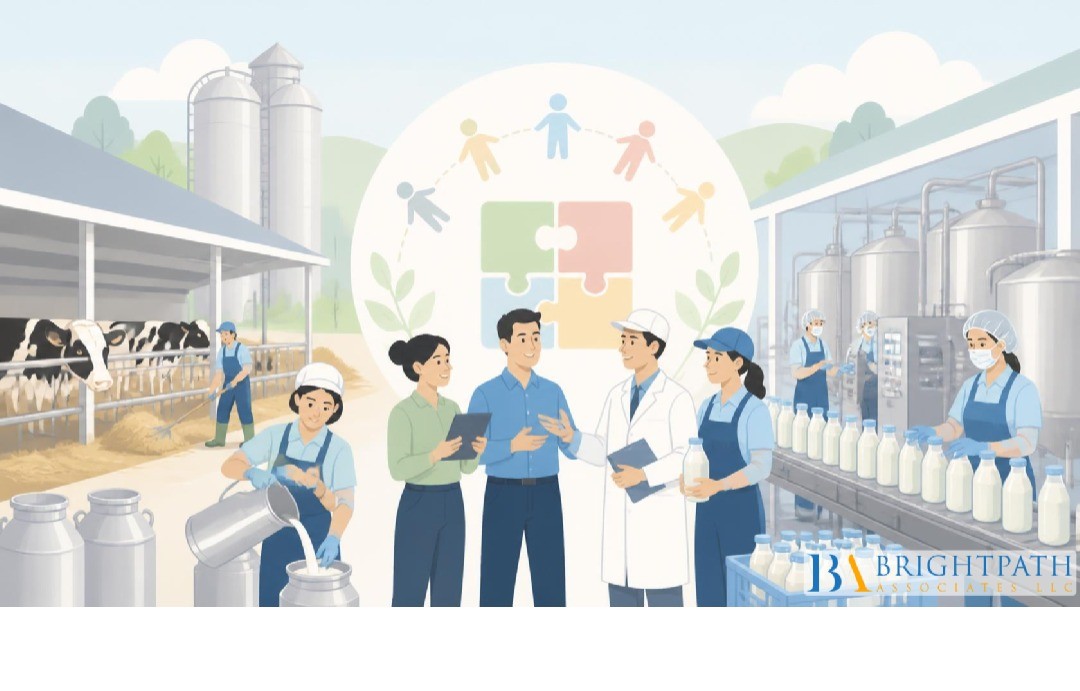
The dairy industry is undergoing a significant transformation. Automation, changing consumer expectations, sustainability pressures, tighter operating margins, and evolving production models are reshaping how dairy businesses operate. Yet behind these changes lies a challenge that can determine whether an organization successfully adapts: finding and retaining the right people.
For many small and mid-sized dairy businesses, attracting skilled employees has become increasingly difficult. Wage increases may help organizations compete for talent, but compensation alone does not always solve retention problems. Employees also evaluate leadership, workplace culture, career development, recognition, flexibility, technology, and whether they can see a future within the organization.
This makes culture a strategic business issue rather than simply an HR concern. Across the broader Dairy Industry, companies are discovering that creating a workplace where employees feel respected, supported, and connected to the organization's mission can be just as important as increasing salaries.
Why the Dairy Talent Gap Is Becoming More Complex
Dairy businesses require employees with increasingly diverse capabilities. Modern operations may need experienced production managers, animal-care specialists, maintenance technicians, food-safety professionals, engineers, automation specialists, quality managers, supply-chain professionals, and commercial leaders.
At the same time, many experienced workers are approaching retirement, while younger professionals may have different expectations about employment. A dairy company may successfully recruit an employee with a competitive salary, but if that individual encounters poor communication, limited development opportunities, outdated management practices, or an unhealthy workplace culture, compensation may not be enough to keep them.
The Limitations of Salary-Based Retention
Compensation is undoubtedly important. Employees need competitive wages, benefits, and financial stability. However, constantly increasing salaries can become an expensive response to an underlying cultural problem.
If employees leave because they feel ignored, undervalued, poorly managed, or unable to progress professionally, another pay increase may only delay the decision to leave. This is why dairy executives should look beyond compensation when analyzing turnover.
Leadership should ask what employees experience every day. Do supervisors communicate effectively? Are good employees recognized? Do workers understand how their contributions affect the company's success? Are there opportunities to learn new skills? Are managers prepared to support employees during periods of operational change?
Culture Starts With Leadership
Workplace culture is often described as an HR initiative, but employees experience culture through leadership behavior. Managers determine how teams communicate, how problems are addressed, how performance is recognized, and how employees are treated when mistakes occur.
In a dairy operation, these leadership behaviors can have a direct impact on productivity and safety. When employees trust supervisors and believe management listens to their concerns, they may be more willing to identify operational problems and suggest improvements.
Conversely, an environment where employees fear criticism or believe their opinions do not matter can discourage communication. For executives, culture improvement therefore begins with leadership accountability.
Creating a Stronger Employee Experience
The employee experience encompasses everything from recruitment and onboarding to training, daily management, career progression, and recognition. Dairy companies can strengthen this experience by making expectations clear from the beginning.
New employees should understand their responsibilities, safety procedures, performance expectations, and opportunities for development. Effective onboarding can also help new hires understand the company's history and values.
This is especially important for family-owned dairy businesses where long-term relationships and traditions may be central to the organization's identity. Employees who understand why the company operates the way it does may develop a stronger connection to its mission.
Career Development Can Strengthen Retention
One of the most overlooked retention strategies is professional development. Employees may leave when they believe their careers have reached a dead end. Dairy businesses can address this by creating pathways for employees to acquire new skills and assume greater responsibilities.
A production employee could receive training in equipment operation and eventually move into a supervisory role. A maintenance technician could develop expertise in automated systems. An experienced operator could become a trainer or production manager.
These pathways demonstrate that the company is willing to invest in its people. They also help businesses develop internal talent rather than relying exclusively on external recruitment.
Why Small Dairy Businesses Need a Different Talent Strategy
Large corporations may have extensive recruitment budgets, structured career programs, and large HR departments. Small and mid-sized dairy companies often compete using different advantages. They can emphasize accessibility to leadership, broader responsibilities, stronger community relationships, faster career progression, and a greater sense of ownership.
An employee at a smaller dairy company may have an opportunity to work directly with senior leadership or influence operational decisions much earlier in their career. These advantages should be deliberately communicated during recruitment. The goal is not to compete solely on salary. It is to communicate the complete value proposition of working for the organization.
When External Executive Talent Becomes Necessary
Internal development should be a major component of a dairy company's workforce strategy, but not every leadership requirement can be filled internally. As businesses expand, they may need executives with specialized expertise in food manufacturing, automation, supply-chain management, finance, sustainability, technology, or commercial development.
This is where specialized Executive Search Recruitment can become valuable. BrightPath Associates can help dairy businesses identify leadership professionals whose experience aligns with the company's operational requirements, growth strategy, and organizational culture. The right executive does more than fill a vacancy. Strong leadership can influence employee engagement, retention, technology adoption, productivity, and the company's long-term direction.
Conclusion: Pay Employees Fairly, But Build Something They Want to Stay For
Competitive compensation remains essential, but it should not be the only tool dairy companies use to attract and retain talent. A strong workplace culture can create advantages that salary increases alone cannot provide.
Employees want competitive compensation, but they also want respect, development, meaningful work, capable leadership, recognition, modern tools, and a clear sense of where their careers can go. For dairy businesses facing persistent talent challenges, the solution may therefore require a broader question: What kind of workplace are we creating for the people we want to retain?
The answer could influence everything from employee turnover to productivity and long-term business growth. As explored in BrightPath Associates' Bridging Talent Gap More Effective Than Pay Hikes, organizations that invest in culture alongside compensation can build a more sustainable approach to workforce management.
