Bridging Skills Gap: Modern Apprenticeships in Food Engineering
Author : Jimmy Patel | Published On : 15 Oct 2026
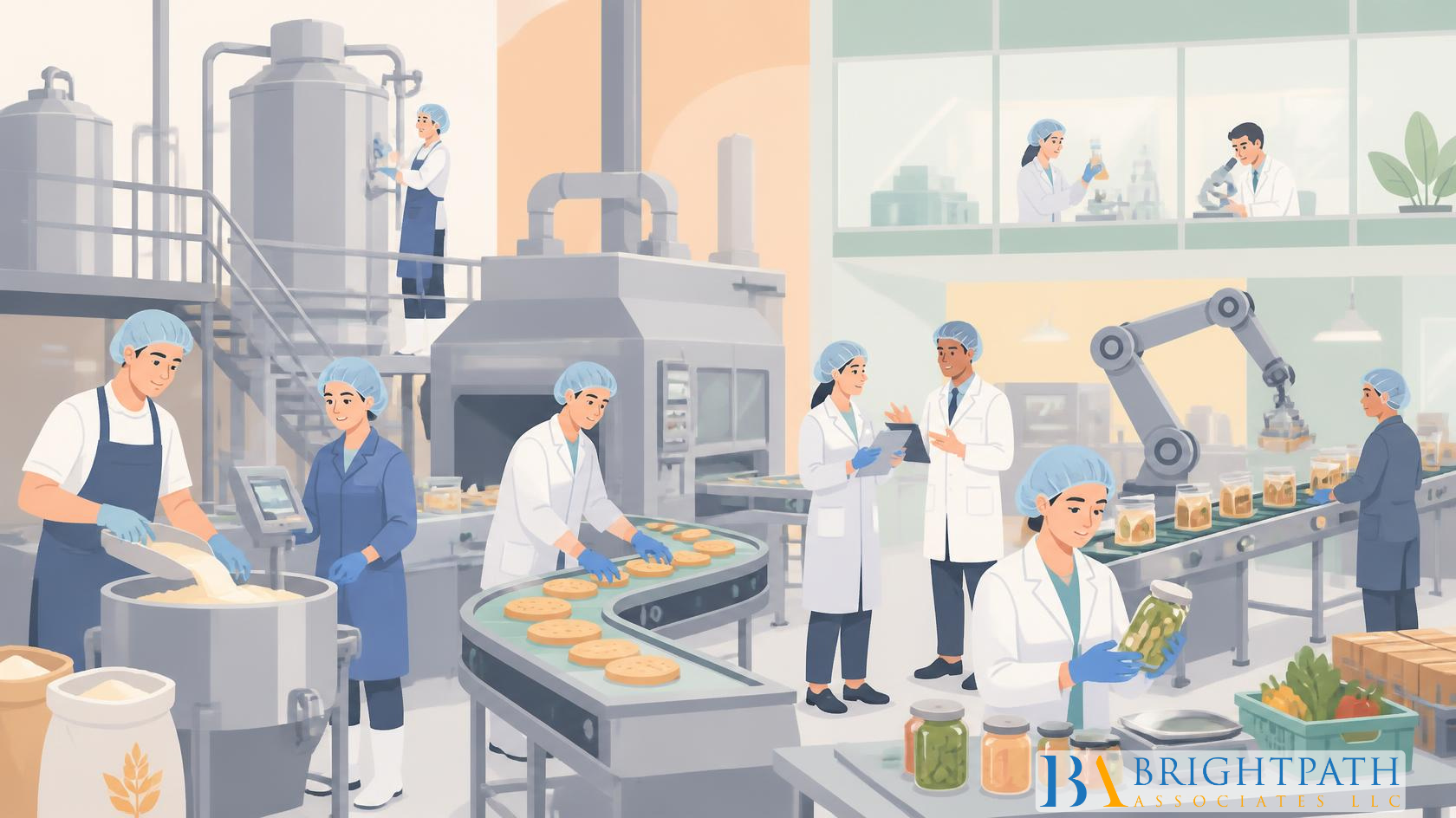
Industrial manufacturing is undergoing a fundamental transformation as companies integrate robotics, automated production lines, intelligent control systems, and data-driven technologies into their operations. For small and mid-sized manufacturers across the United States, these developments create significant opportunities to improve productivity, quality, and operational efficiency. However, they also introduce a critical challenge: finding and developing employees with the technical expertise required to operate increasingly sophisticated manufacturing environments.
The industrial skills gap is no longer simply a recruitment concern. It is a strategic business challenge that affects production reliability, technology adoption, employee retention, and long-term competitiveness. Traditional education provides essential engineering fundamentals, but many graduates need additional practical experience before they can confidently troubleshoot machinery, interpret production data, or maintain automated equipment.
Modern apprenticeships offer a practical solution. By combining structured technical education with supervised workplace experience, manufacturers can develop job-ready professionals while creating a more sustainable talent pipeline. For organizations investing in industrial automation, apprenticeship programs can become an important component of workforce planning and operational growth.
Understanding the Industrial Skills Gap
The expansion of advanced manufacturing has changed the qualifications employers seek. Today's technicians and engineers may need to understand mechanical systems, electrical components, programmable logic controllers, robotics, industrial networking, and digital monitoring platforms. They must also recognize how these technologies interact within integrated production environments.
For small and mid-sized businesses, recruiting employees with this combination of capabilities can be particularly difficult. Larger organizations may have greater resources to attract experienced professionals, while smaller manufacturers often compete for the same limited talent pool with more restricted hiring budgets.
Retirements among experienced technicians and engineers can intensify the problem by removing valuable institutional knowledge from production facilities. When experienced employees leave without transferring their expertise, organizations risk losing practical knowledge about equipment behavior, troubleshooting methods, maintenance routines, and process improvements.
Consequently, businesses need to look beyond conventional recruitment strategies. Hiring experienced candidates remains important, but developing emerging talent internally can help companies reduce their dependence on an already competitive labor market.
Building Technical Expertise in Automation and Control Systems
Industrial automation is changing the nature of manufacturing work rather than eliminating the need for technical expertise. Automated equipment still requires professionals who can install, monitor, maintain, and improve its performance.
Apprentices should receive practical exposure to sensors, actuators, programmable logic controllers, industrial robots, and human-machine interfaces. These foundational skills help them understand how production equipment receives instructions, responds to signals, and executes manufacturing sequences.
Programmable logic controllers are particularly important because they coordinate many automated processes, including conveyor movement, packaging operations, material handling, and machine sequencing. Apprentices who understand PLC fundamentals can develop the ability to interpret control logic, identify potential faults, and assist qualified engineers with troubleshooting.
Robotics training is equally valuable. Industrial robots support repetitive and precision-sensitive tasks such as palletizing, assembly, packaging, and material handling. Apprentices need to understand robot operating principles, work-cell safety, sensor integration, and the relationship between robotic equipment and surrounding production systems.
Exposure to supervisory control and data acquisition systems can further strengthen technical capabilities. These platforms help operators monitor production conditions, review equipment alarms, identify process deviations, and make informed operational decisions.
For businesses exploring the wider possibilities of the industrial automation industry, investing in workforce development is essential to ensuring that technological improvements translate into measurable operational value.
Measuring Results and Creating Long-Term Career Opportunities
Apprenticeships should be evaluated through clearly defined performance measures. Employers can assess technical competency, safety compliance, troubleshooting ability, maintenance quality, and progress toward independent responsibilities.
Operational indicators such as equipment downtime, production consistency, maintenance effectiveness, and quality performance can provide additional insight into program outcomes. These measures should be interpreted carefully because manufacturing improvements generally depend on coordinated contributions from multiple employees and departments.
Career progression is equally important. Apprentices who see a clear future within an organization are more likely to remain engaged and pursue additional technical development. Defined pathways from entry-level technician positions to controls engineering, automation management, and operational leadership can make industrial careers more attractive.
Regular feedback from apprentices, mentors, and managers also helps businesses refine training content as equipment, software, and operational requirements evolve.
For additional insight into how structured workplace learning can address manufacturing workforce challenges, explore BrightPath Associates' article on bridging the skills gap through modern apprenticeships in food engineering.
Conclusion: Developing Talent for the Future of Manufacturing
The industrial skills gap requires a long-term response that combines strategic recruitment, practical training, technical education, and leadership development. Modern apprenticeships provide manufacturers with a structured way to prepare employees for increasingly automated production environments while preserving valuable institutional knowledge.
For small and mid-sized businesses, the opportunity extends beyond filling immediate vacancies. Investing in emerging talent can strengthen operational continuity, support technology adoption, improve retention, and create a workforce prepared for future manufacturing demands.
The most successful organizations will recognize that industrial transformation depends on more than advanced machinery. It also depends on people who understand how to operate, maintain, and improve the systems that drive production.
