Brick, Wood, and Stone: Top Surface Wallpaper Trends in the UK
Author : Giffywalls UK | Published On : 28 May 2026
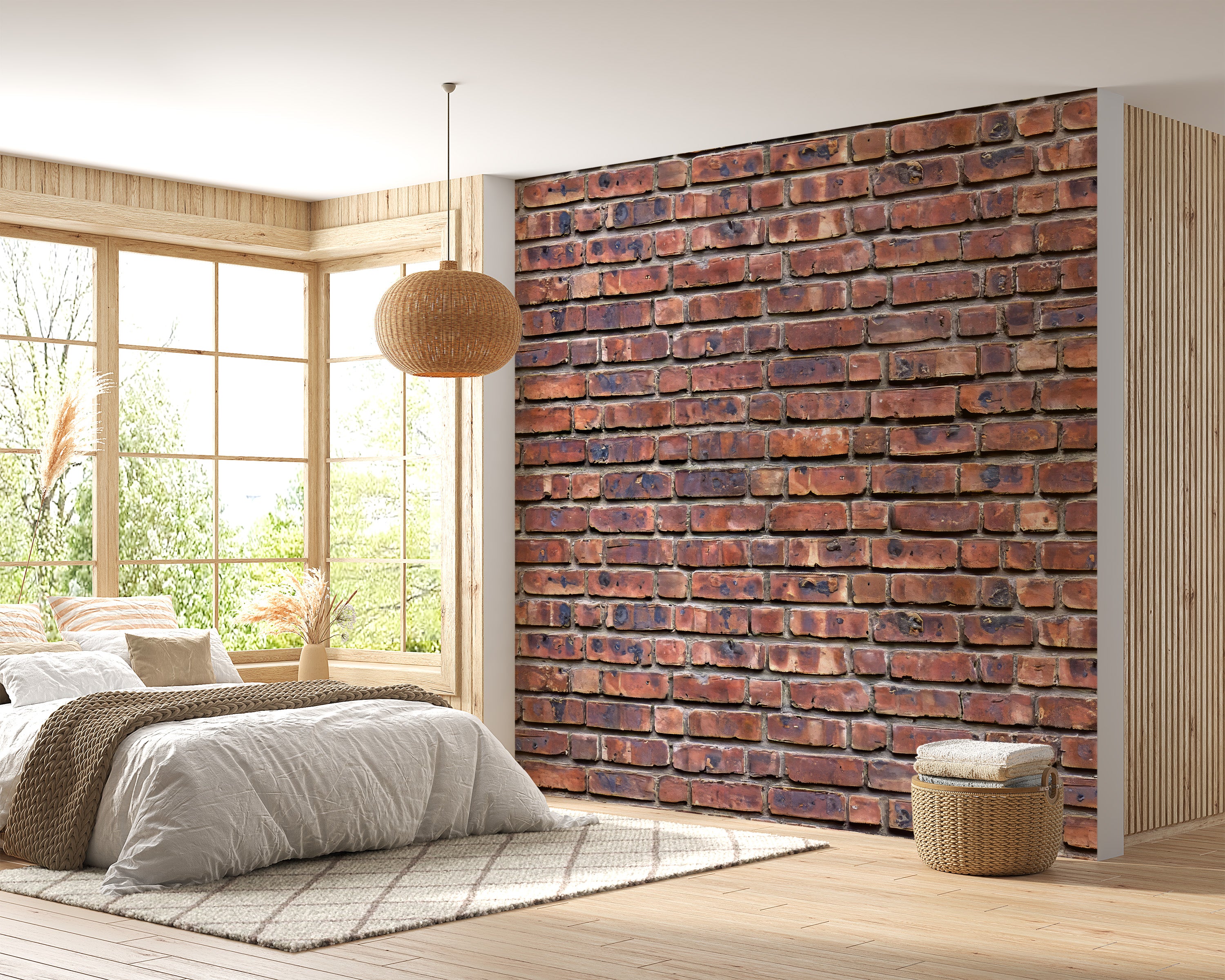
The Rise of Architectural Illusions in British Homes
British interior design has long celebrated the architectural heritage of its housing stock. From the exposed beams of a country cottage to the bare brickwork of a converted Victorian factory, raw materials hold a significant place in our domestic aesthetics. However, for those living in modern new builds or properties where these original features have been lost, recreating that authentic, structural charm can be a costly and highly disruptive process.
This challenge has led to a significant shift towards high-quality, contemporary surface wallpaper options. Modern printing technology has advanced to a point where trompe l'oeil (fool the eye) designs offer an incredibly realistic alternative to physical building materials. By incorporating a tactile surface wallpaper into a room, homeowners can introduce the visual weight and character of masonry or timber in a matter of hours, rather than weeks.
The Psychological Appeal of Textures
Humans are naturally drawn to texture. A flat, plainly painted wall offers very little visual engagement, whereas a surface that appears rough, grained, or weathered invites closer inspection. Introducing a material effect mural to a living space anchors the room, providing a robust backdrop that contrasts beautifully with soft furnishings like velvet sofas, woollen throws, and linen curtains. This balance between hard and soft elements is a cornerstone of modern interior styling.
Achieving the Loft Look with Faux Brick
The demand for the 'New York loft' aesthetic remains incredibly strong across the UK. The look relies heavily on the presence of exposed brickwork, which brings warmth, historical character, and an undeniable urban edge to an interior. However, stripping back plaster is messy, expensive, and often results in cold, draughty rooms—a significant issue during the British winter.
Integrating Realistic Brickwork
Applying an authentic brick wallpaper offers the perfect solution. Available in a variety of styles—from classic Victorian red brick to modern, distressed white-washed masonry—these designs provide the aesthetic benefits without the thermal drawbacks.
When choosing a location for a brick effect, it is best applied to a logical architectural feature. Chimney breasts, alcoves, or the main wall anchoring a living room sofa are ideal locations. By keeping the adjacent walls painted in a complementary neutral shade, the brick design feels intentional and structurally convincing.
Bringing Warmth Indoors with Timber Aesthetics
Wood is one of the most versatile materials in interior design. It inherently brings a sense of warmth, nature, and organic calm to a space. Over the past few years, timber panelling has surged in popularity, from traditional tongue-and-groove to modern, vertical acoustic slats.
The Versatility of Wood Finishes
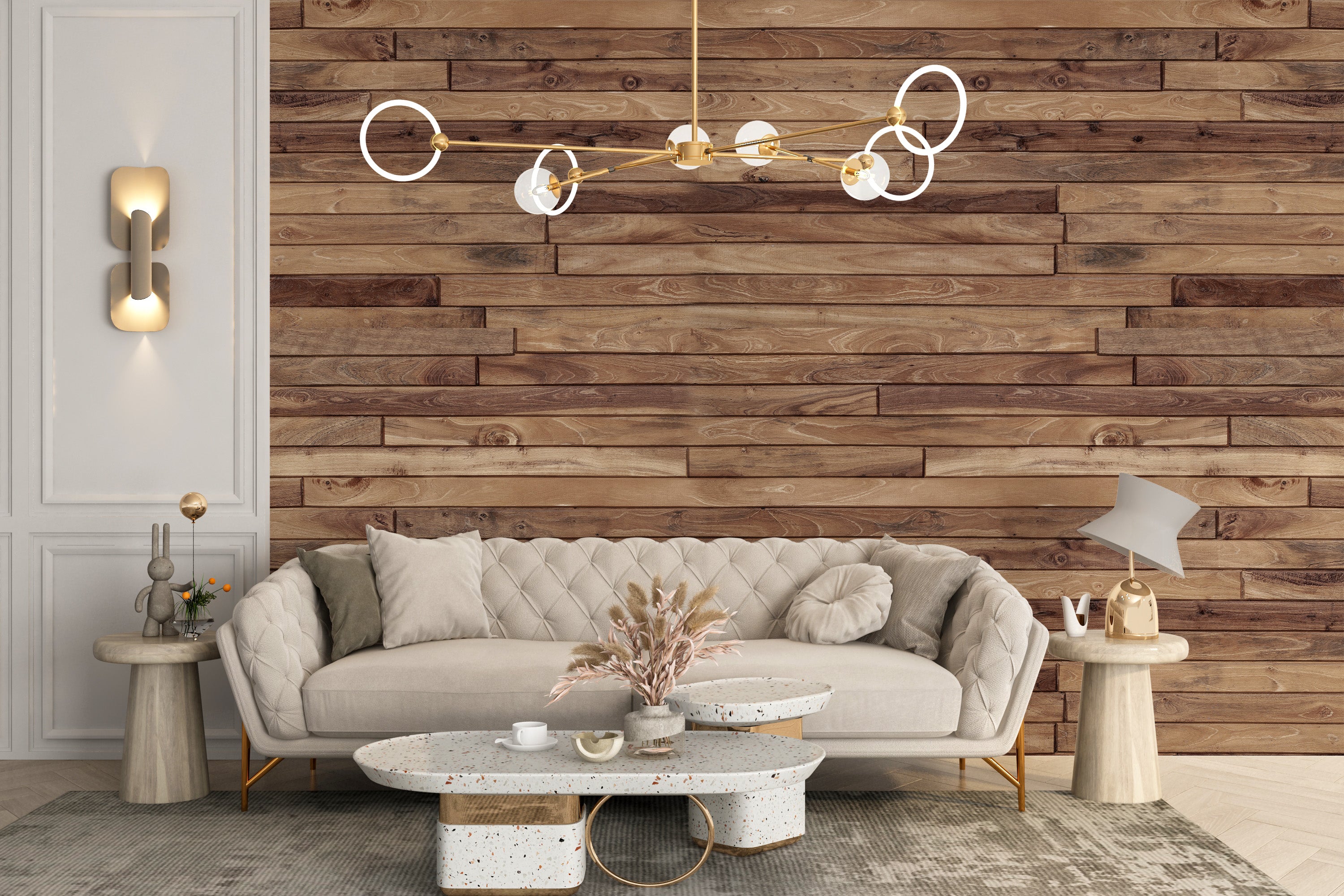
Installing genuine timber panels requires precise carpentry and ongoing maintenance. A highly detailed, distressed wood wallpaper delivers the same visual warmth and structural lines at a fraction of the cost. Whether you are aiming for a cosy, rustic cabin feel with weathered oak planks or a sleek, mid-century modern look with rich walnut panelling, a natural material wall covering offers immense flexibility.
Styling Wood Patterns
Wood patterns work exceptionally well in bedrooms, particularly when used behind the bedhead to create a grounding, cabin-like sanctuary. They are also highly effective in hallways, where vertical lines can trick the eye into perceiving higher ceilings, making a narrow entrance feel far more spacious.
Embracing Industrial Chic
For those who prefer a more contemporary, minimalist, or edgy aesthetic, industrial materials like metal and concrete are the go-to choices. These finishes are heavily favoured in modern city flats and open-plan renovations.
The Edge of Metallic Finishes
Adding a metallic element to a room introduces a fascinating dynamic, as the perception of the wall changes depending on the light. Using an oxidised metal wallpaper—featuring patterns that mimic rusted iron, patinated copper, or brushed steel—provides a highly dramatic and moody atmosphere.
This type of raw surface wall decor is particularly striking in kitchens, dining areas, or home offices. Because metallic tones often lean towards darker, richer hues, it is crucial to balance the room with adequate lighting and lighter flooring to prevent the space from feeling too enclosed.
The Minimalism of Concrete
Poured concrete is a hallmark of brutalist architecture and contemporary minimalism. It offers a cool, understated backdrop that allows brightly coloured furniture or large indoor plants to stand out truly.
However, solid concrete walls are incredibly heavy, difficult to install, and acoustically harsh. A polished concrete wallpaper delivers that same smooth, mottled, and slightly industrial look while keeping the room's acoustics soft and manageable. Applying a textured surface wall print that mimics the porous nature of cement is highly effective in modern bathrooms, utility rooms, or minimalist lounges.
Practical Benefits of Faux Textures
Beyond the obvious aesthetic advantages, opting for faux-material wall coverings offers several practical benefits for the British homeowner:
- Cost-Effectiveness: The cost of materials and specialist labour required to install real brick, stone, or timber is substantial. High-quality paper alternatives provide a significant financial saving.
- Space Preservation: Real brick slips or timber panels add thickness to a wall, slightly reducing the floor space of a room. In smaller UK flats, preserving every inch of space is vital.
- Ease of Application and Removal: Modern paste-the-wall technology makes installation straightforward for a competent DIYer. Furthermore, when interior trends change, or you decide to move house, peeling off a layer of paper is infinitely easier than dismantling a masonry wall.
FAQs:
Are faux-material wall coverings convincing in person?
Yes, high-quality modern options use high-definition photography and advanced printing techniques. Many also incorporate a slight embossment or texture that mimics the actual feel of the material, making them incredibly convincing, especially when viewed from a standard distance.
Where is the best place to put a brick-effect design?
It is best to place it where a real brick wall might logically exist. Chimney breasts, the main party wall in a terraced house, or as a backdrop in an industrial-style kitchen, are all highly effective locations.
Can I use a concrete or metal design in a small room?
Absolutely. While dark metal designs should be used cautiously to avoid making the room feel dark, light concrete designs can actually make a space feel highly modern and open. Just ensure you balance the industrial feel with soft lighting and warm textiles.
Is wood-effect paper suitable for a bathroom?
If you wish to use these designs in a room with high moisture, you must ensure you select a product with a vinyl coating. Standard non-woven papers may absorb humidity over time, whereas vinyl options are wipeable and moisture-resistant.
How do I clean heavily textured wall coverings?
Most modern, high-quality options are lightly washable. You can use a clean, slightly damp cloth or a soft duster to remove surface dust. Always avoid abrasive chemicals or heavy scrubbing, which can damage the printed finish.
Conclusion:
Integrating the look of raw architectural materials into your home is a highly effective way to add depth, character, and historical context to a modern space. By utilising advanced, high-quality faux-material wall coverings, British homeowners can achieve the highly sought-after aesthetics of exposed brick, warm timber, or industrial concrete without the expense or disruption of a major renovation. By carefully selecting the right texture and balancing it with appropriate lighting and soft furnishings, you can create a richly layered, sophisticated, and deeply comfortable living environment.
