Breast Augmentation Dubai: How Surgeons Assess Shape, Size and Proportion
Author : Corner stone | Published On : 15 Aug 2026
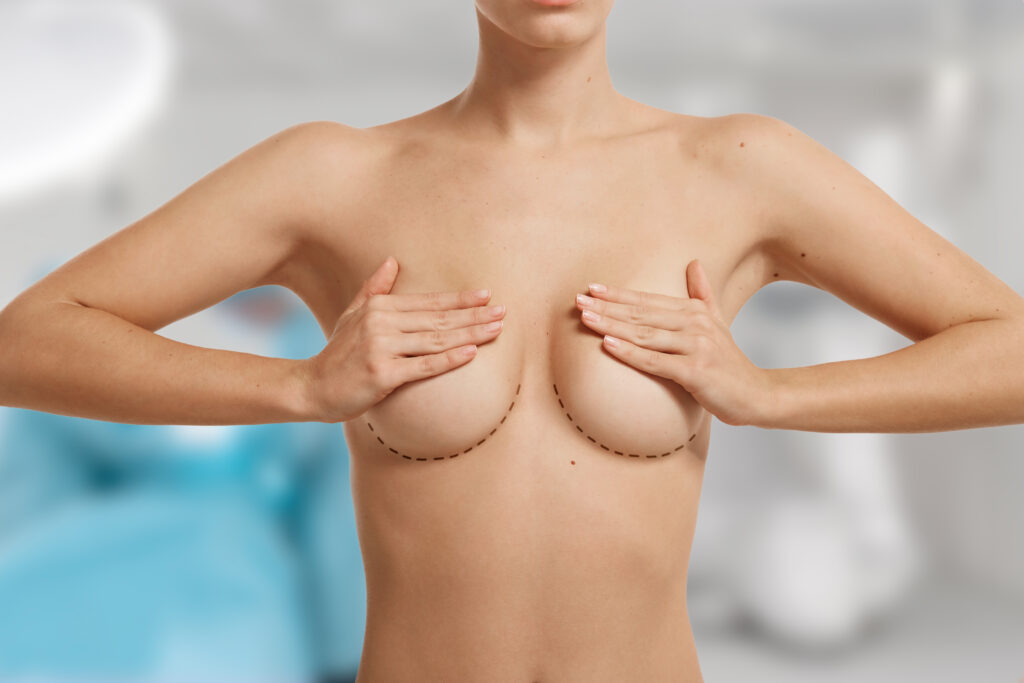
Breast augmentation is a highly personalised procedure designed to enhance breast volume while maintaining harmony with the rest of the body. Although many people associate augmentation with choosing an implant size, experienced surgeons look at much more than volume before recommending an approach. Breast shape, chest width, existing breast tissue, skin characteristics, body proportions and individual aesthetic preferences all influence the planning process.
For anyone considering Breast Augmentation Dubai, understanding how surgeons evaluate these factors can make the consultation more informative and help patients develop realistic expectations. At Cornerstone, the assessment can focus on creating an outcome that complements the individual's natural anatomy rather than following a standard approach.
Why Shape Matters in Breast Augmentation
Breasts naturally vary in shape, position and symmetry. Some individuals have a fuller lower portion, while others have a more evenly distributed shape. There may also be differences between the two breasts in terms of size, position or contour.
During a consultation, the surgeon evaluates the existing breast shape before considering augmentation. This assessment helps determine how additional volume may interact with the patient's natural anatomy.
The objective is generally not simply to make the breasts larger. Instead, the surgeon considers how increased volume can contribute to a balanced overall appearance.
Factors such as the breast footprint, nipple position and the relationship between the upper and lower portions of the breast may all be considered during planning.
Assessing Breast Size and Existing Volume
One of the most important parts of an augmentation consultation is understanding the patient's current breast volume. The surgeon examines the amount and distribution of existing tissue and considers how much additional volume may be appropriate.
Two people who want the same cup-size increase may require very different implant choices because their starting anatomy can be completely different.
The surgeon may assess the width and height of the breast, the amount of tissue available to cover an implant and the relationship between breast volume and the chest wall. These measurements provide a more reliable foundation for planning than relying only on a desired bra size.
Patients are usually encouraged to explain what they want to achieve rather than focusing exclusively on a specific implant number.
Understanding Body Proportion
Breast augmentation should be considered in relation to the entire body. The surgeon may evaluate the shoulders, ribcage, waist, hips and overall frame when discussing suitable proportions.
For example, a particular implant volume may appear subtle on one body type but considerably more prominent on another. Chest width also affects how implant dimensions translate into the final breast contour.
This is why choosing an implant based solely on volume may not produce the most harmonious result. A surgeon may instead prioritise dimensions that work with the patient's chest and existing breast structure.
Evaluating Chest Width
Chest width is an important consideration when selecting implant dimensions. The breast has a natural base width, and an implant that is disproportionately wide may not correspond appropriately with the patient's anatomy.
During the assessment, the surgeon may take measurements across the breast and chest area. These measurements help guide decisions about implant diameter and overall shape.
The aim is to select an option that fits the available anatomical space while supporting the desired aesthetic direction.
Considering Breast Symmetry
Perfect natural symmetry is uncommon. One breast may be slightly larger, positioned differently or have a different contour from the other.
During a breast augmentation consultation, the surgeon examines these differences carefully. This can influence the planning process and, in some cases, lead to consideration of different implant volumes or additional techniques to create greater visual balance.
Discussing asymmetry before surgery is important because augmentation does not necessarily make naturally occurring differences disappear. Instead, the surgical plan can be tailored with those differences in mind.
Choosing Implant Profile
Implant profile refers broadly to how much an implant projects forward relative to its base width. Different profiles can create different aesthetic effects.
A surgeon may discuss profile options according to the patient's anatomy and desired appearance. Someone seeking a subtle enhancement may have different requirements from someone looking for more noticeable projection.
The correct profile is therefore not determined by preference alone. It needs to be considered alongside breast width, tissue coverage and overall body proportions.
Discussing Implant Shape
Implants are available in different shapes and designs, and their suitability depends on individual circumstances.
During consultation, the surgeon may explain how different shapes can influence the appearance of the breast. The discussion can include the patient's existing breast shape, desired contour and how the implant is expected to interact with the surrounding tissue.
Rather than selecting an implant simply because it produces a particular look in photographs, the decision should be based on whether it is appropriate for the patient's anatomy.
Understanding Upper Breast Fullness
Upper breast fullness is another feature patients may want to discuss. Some people prefer a softer, more gradual contour, while others want a more pronounced appearance in the upper portion of the breast.
The surgeon considers the patient's existing tissue, implant characteristics and placement when discussing this aspect of the result.
Photographs can sometimes help patients communicate their preferences, but they should be used as examples of aesthetic direction rather than guarantees of an identical outcome.
Considering Skin and Soft Tissue
The condition and amount of breast tissue can influence augmentation planning. The surgeon assesses how much soft tissue is available and how it may accommodate additional volume.
Skin elasticity and existing breast shape can also affect the overall approach. These considerations help the surgeon determine which implant dimensions and surgical techniques may be most appropriate.
This assessment is particularly relevant when someone has experienced significant changes in breast volume over time, such as after pregnancy or substantial changes in body weight.
Implant Placement and Proportion
Another part of the consultation involves discussing where the implant may be positioned in relation to the breast tissue and chest muscle.
The choice can depend on factors including anatomy, tissue coverage, implant characteristics and the patient's desired appearance. The surgeon evaluates these details together rather than making a decision based on one factor.
The purpose of discussing placement is to create a plan that works with the patient's existing anatomy and contributes to the desired breast contour.
How Patients Can Communicate Their Desired Result
Patients often find it helpful to describe their preferred appearance using practical terms. For example, they may want a subtle enhancement, increased fullness, a more noticeable change or a natural-looking contour.
Reference photographs can also support communication during the consultation. However, the surgeon must determine whether the proportions shown in those photographs are compatible with the patient's own anatomy.
A useful consultation is therefore a two-way discussion. The patient explains personal goals, while the surgeon translates those goals into realistic surgical options.
Why Implant Volume Is Not the Only Consideration
It is easy to focus on implant volume because it provides a simple numerical comparison. However, volume alone does not determine how an augmentation will look.
Two implants with similar volumes may have different widths, heights and projection. Likewise, the same implant can look different depending on the patient's chest dimensions and existing breast tissue.
For this reason, experienced surgical planning considers several characteristics together. This approach can help move the conversation away from simply asking, "What size implant should I choose?" and toward the more useful question of, "What dimensions and proportions suit my anatomy and goals?"
The Role of Measurements During Consultation
Measurements provide the surgeon with objective information that supports personalised planning. Depending on the consultation, the assessment may include breast width, tissue thickness, chest dimensions, nipple position and other anatomical characteristics.
These measurements are considered alongside the patient's aesthetic goals. Neither measurements nor preferences should be viewed in isolation.
The combination of anatomical assessment and personal expectations allows the surgeon to develop a more individualised treatment plan.
Setting Realistic Expectations
A successful consultation should establish a clear understanding of what breast augmentation is intended to achieve. Patients should understand that their anatomy influences the available options.
Digital imaging, photographs, implant samples or sizing exercises may sometimes be used to help patients visualise potential changes. These tools can support communication but should not be interpreted as exact predictions.
The final appearance depends on the interaction between the chosen implant and the individual's natural anatomy.
Why Personalised Planning Is Important
Breast augmentation is not a one-size-fits-all procedure. An implant that is appropriate for one patient may not be suitable for another, even if both have similar aesthetic goals.
A personalised assessment considers breast shape, size, symmetry, chest dimensions, tissue characteristics and desired proportions. It also allows the surgeon to discuss how different choices may influence the overall appearance.
For patients researching Breast Augmentation Dubai, choosing a clinic where consultation and surgical planning are based on individual anatomy can be an important part of the decision-making process.
Preparing for a Breast Augmentation Consultation
Patients can make their consultation more productive by thinking about what they want to change and what they want to preserve. It can be useful to consider whether the priority is increased volume, improved fullness, a particular silhouette or better visual balance.
Patients should also be prepared to discuss their expectations openly. Rather than arriving with a fixed implant volume, being willing to consider the surgeon's measurements and recommendations can make the planning process more flexible.
The consultation is an opportunity to ask questions, understand the available choices and establish whether the proposed approach aligns with personal goals.
Conclusion
Breast augmentation involves considerably more than selecting an implant size. Surgeons assess breast shape, existing volume, chest width, symmetry, tissue characteristics, implant dimensions and overall body proportion before developing an individualised plan.
For people considering Breast Augmentation Dubai, understanding this assessment process can provide a clearer perspective on why implant selection differs from one patient to another. At Cornerstone, a personalised consultation can help patients explore their aesthetic goals while considering the anatomical factors that influence breast augmentation planning.
The most appropriate approach is ultimately one that brings together the patient's preferences and the surgeon's assessment of shape, size and proportion, creating a treatment plan tailored to the individual rather than based on a standard implant choice.
Frequently Asked Questions
What does a surgeon assess before breast augmentation?
A surgeon may assess breast shape, existing volume, symmetry, chest width, tissue characteristics, nipple position and overall body proportions. These factors help guide personalised treatment planning.
How is the right implant size selected?
Implant size is selected by considering the patient's anatomy, breast dimensions, available tissue and desired aesthetic outcome. Volume is only one part of the decision.
Does body proportion affect breast augmentation planning?
Yes. The chest, shoulders, waist and hips can all contribute to how breast volume appears in relation to the rest of the body. Surgeons therefore consider overall proportions when discussing suitable implant dimensions.
Can breast asymmetry be considered during augmentation planning?
Yes. Natural differences between the breasts can be assessed during consultation. The surgeon can take these differences into account when developing the treatment plan.
Are implant shape and profile important?
Yes. Implant shape and profile can influence width, projection and overall contour. The most appropriate choice depends on individual anatomy and the patient's desired appearance.
Should I choose an implant based on a specific cup size?
Not necessarily. Cup sizes vary between brands and bra designs, so surgeons generally focus more on anatomical measurements, implant dimensions and the patient's desired proportions.
Can I bring photographs of my preferred breast shape?
Yes. Reference photographs can help communicate aesthetic preferences. However, the surgeon will assess whether the characteristics shown are appropriate for the patient's own anatomy.
Why is a personalised consultation important?
Every person's breast and chest anatomy is different. A personalised consultation allows the surgeon to evaluate those differences and develop an augmentation plan based on individual proportions and goals.
How long does breast augmentation planning take?
The timing varies between patients and depends on the complexity of the assessment and the number of decisions that need to be discussed. The consultation should provide enough time to review anatomy, preferences and treatment options carefully.
Is breast augmentation only about increasing breast size?
No. While increased volume is a primary goal, augmentation planning can also focus on proportion, contour, fullness and overall balance with the patient's natural body shape.
