Brake Service Guide: When to Replace Brake Pads and Rotors
Author : claire adams | Published On : 21 Jul 2026
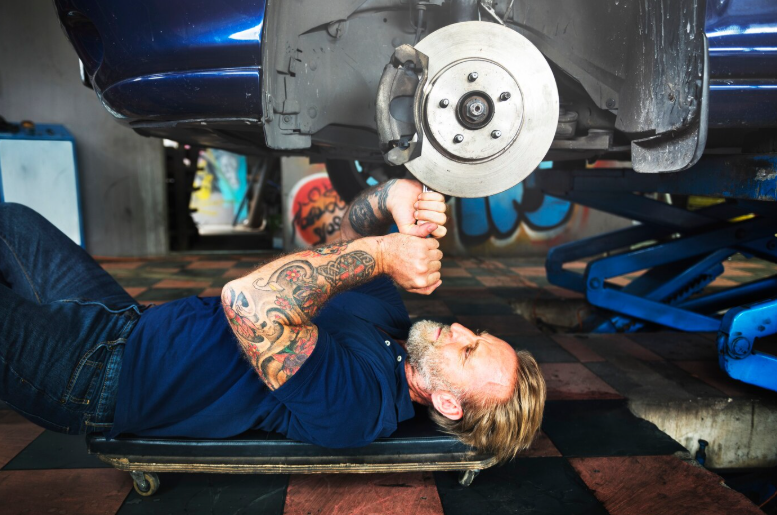
Your vehicle's braking system is one of the most important safety components, and understanding when it needs attention can help prevent costly repairs and dangerous driving situations. Regular brake service keeps your vehicle responsive, improves stopping power, and protects other brake components from unnecessary wear. While many drivers focus on engine maintenance and tire care, brake pads and rotors often receive attention only after problems become obvious. Learning the warning signs and maintenance intervals can help you stay ahead of expensive repairs while ensuring your vehicle remains safe on every trip.
Understanding the Role of Brake Pads and Rotors
Every time you press the brake pedal, several components work together to bring your vehicle to a controlled stop. Brake pads create friction by pressing against the brake rotors, converting your vehicle's motion into heat. This process gradually wears down both the pads and the rotors.
Brake pads are designed to wear faster because they are less expensive and easier to replace than rotors. Rotors, however, also experience wear from continuous friction and heat. Keeping both components in good condition ensures reliable braking performance and extends the life of your entire braking system.
Ignoring worn brake components can reduce stopping ability, increase repair costs, and even create safety risks during emergency braking situations.
How Long Do Brake Pads Typically Last?
Brake pad lifespan varies depending on several factors, including driving habits, road conditions, and vehicle type. On average, brake pads last between 30,000 and 70,000 miles.
Several conditions affect how quickly brake pads wear:
- Frequent stop-and-go city driving
- Heavy traffic during daily commutes
- Aggressive braking habits
- Carrying heavy cargo or towing
- Driving in mountainous areas with steep descents
- Pad material quality
Drivers who brake gently and spend more time on highways generally enjoy longer brake pad life than those driving primarily in urban environments.
Rather than relying solely on mileage, it's important to have your brakes inspected during routine maintenance visits.
How Long Do Brake Rotors Last?
Brake rotors usually last longer than brake pads because they are built from durable metal. Most rotors remain serviceable for 50,000 to 70,000 miles, although some may last even longer with proper maintenance.
However, rotor lifespan depends on factors such as:
- Brake pad condition
- Driving style
- Rotor quality
- Heat buildup
- Environmental conditions
Each time brake pads are replaced, the rotors should be carefully inspected. If they remain within manufacturer thickness specifications and have no major damage, resurfacing may be an option. Otherwise, replacement is recommended.
Signs Your Brake Pads Need Replacement
Your vehicle often provides several warning signs before brake pads wear completely.
Squealing or Screeching Sounds
Many brake pads contain wear indicators that create a high-pitched squealing sound when the friction material becomes thin. This built-in warning alerts drivers that replacement should be scheduled soon.
Ignoring the noise allows additional wear that can damage the rotors.
Grinding Noise
Grinding is usually a sign that the brake pads have worn completely through, allowing metal components to contact the rotor.
This not only reduces braking efficiency but also causes significant rotor damage, making repairs much more expensive.
Longer Stopping Distance
If your vehicle takes longer than usual to stop, worn brake pads could be reducing braking effectiveness. Increased stopping distance should never be ignored.
Brake Warning Light
Some modern vehicles monitor brake pad wear electronically. If the brake warning light appears, have the system inspected as soon as possible.
Thin Brake Pads
During a visual inspection, healthy brake pads typically have at least ¼ inch of friction material remaining. If the pads appear much thinner, replacement is usually necessary.
Signs Your Brake Rotors Need Replacement
Brake rotors also develop symptoms as they wear or become damaged.
Steering Wheel Vibration
If you notice vibrations when braking, warped rotors may be causing uneven contact between the pads and rotor surfaces.
The shaking often becomes more noticeable during highway speeds.
Grooves or Deep Scoring
Over time, damaged brake pads can create deep grooves in the rotor surface. Minor grooves may be corrected through resurfacing, but severe damage often requires new rotors.
Blue Discoloration
Rotors exposed to excessive heat may develop blue or purple spots. Heat damage changes the metal's structure and can reduce braking performance.
Cracks on the Rotor Surface
Visible cracks indicate serious heat stress. Cracked rotors should always be replaced immediately because they may fail under heavy braking.
Rotor Thickness Below Specifications
Manufacturers specify a minimum safe rotor thickness. Once rotors wear below this limit, replacement becomes necessary for safe operation.
Should Brake Pads and Rotors Be Replaced Together?
Many drivers wonder whether replacing both parts simultaneously is necessary.
The answer depends on the condition of the rotors.
If rotors remain smooth, properly thick, and free of damage, replacing only the brake pads may be sufficient.
However, replacing both components together offers several advantages:
- Better braking performance
- Even pad wear
- Reduced noise
- Lower risk of future problems
- Longer overall brake system life
Many technicians recommend replacing rotors whenever installing new brake pads, especially if the rotors already show moderate wear.
Driving Habits That Wear Brakes Faster
Certain driving behaviors significantly shorten brake life.
Hard Braking
Sudden, aggressive stops create excessive heat and friction, wearing both pads and rotors more quickly.
Riding the Brakes
Keeping your foot lightly on the brake pedal while driving causes continuous contact and unnecessary wear.
Overloading the Vehicle
Extra vehicle weight requires more braking force, increasing stress on brake components.
Frequent Mountain Driving
Long downhill stretches require constant braking, generating extreme heat that accelerates wear.
Developing smoother driving habits can dramatically extend brake life and reduce maintenance costs.
Why Routine Brake Inspections Matter
Routine inspections often identify small issues before they become expensive repairs.
During a brake inspection, technicians typically examine:
- Brake pad thickness
- Rotor condition
- Brake fluid level
- Brake calipers
- Brake hoses
- Hardware components
- Brake lines
Early detection helps maintain reliable braking performance while avoiding emergency repairs.
Most manufacturers recommend brake inspections during tire rotations or oil changes, making them an easy part of regular vehicle maintenance.
Can You Delay Brake Replacement?
Some drivers postpone brake service after hearing minor squeaks or feeling slight vibrations.
While this may seem harmless initially, delaying repairs can lead to:
- Rotor damage
- Reduced stopping power
- Higher repair costs
- Increased tire wear
- Brake system overheating
- Greater safety risks
Replacing brake pads early often prevents much more expensive rotor replacement later.
Waiting until grinding noises appear almost always results in additional component damage.
Tips to Make Your Brakes Last Longer
Proper driving habits and maintenance can significantly extend brake component life.
Helpful practices include:
- Leave extra following distance.
- Brake gradually instead of suddenly.
- Reduce unnecessary vehicle weight.
- Avoid riding the brakes downhill.
- Schedule regular brake inspections.
- Replace worn pads promptly.
- Use quality replacement parts.
- Keep brake fluid properly maintained.
These simple habits improve safety while reducing long-term maintenance expenses.
Final Thoughts
Your braking system protects you every time you drive, making regular inspections and timely maintenance essential. Understanding the warning signs of worn brake pads and rotors allows you to address problems before they become major repairs. Listening for unusual noises, paying attention to vibrations, and following manufacturer maintenance recommendations can help extend the life of your braking system while improving overall vehicle safety. Investing in professional brakes repair when warning signs first appear keeps your vehicle dependable, reduces repair costs over time, and provides confidence every time you press the brake pedal.
Frequently Asked Questions (FAQs)
1. How often should brake pads be inspected?
Brake pads should be inspected at least once a year or every 10,000 to 15,000 miles. Many technicians also check them during routine tire rotations or oil changes.
2. Can I replace only the brake pads without replacing the rotors?
Yes, if the rotors are still within the manufacturer's thickness specifications and show no signs of warping, deep grooves, or cracks, replacing only the brake pads may be appropriate.
3. What causes brake rotors to warp?
Excessive heat from repeated hard braking, towing heavy loads, or prolonged downhill driving can cause brake rotors to warp over time.
4. Why do my brakes squeak even if they still work?
Squeaking often occurs when brake pads become worn or when moisture, dust, or debris accumulates on the braking surface. It is best to have the brakes inspected to determine the exact cause.
5. Is it safe to drive with grinding brakes?
No. Grinding usually means the brake pads have worn down completely, allowing metal-to-metal contact with the rotors. Continuing to drive can significantly damage the braking system and reduce stopping performance.
6. How can I make my brake pads last longer?
Smooth braking, maintaining a safe following distance, avoiding unnecessary heavy loads, and scheduling routine brake inspections can help extend the life of your brake pads.
