Boost Website Performance With Expert WordPress Optimization
Author : 360 Xpert Solution | Published On : 17 Oct 2026
Why Website Speed Matters for Business Success
A fast website creates a positive first impression, keeps visitors engaged, and encourages potential customers to explore services or products. In a competitive digital environment, even a small delay in page loading can cause visitors to leave before discovering what a business offers. For companies seeking wordpress speed optimization san antonio improving website performance is an essential step toward delivering a smoother user experience, increasing engagement, and building a stronger online presence. A well-optimized WordPress website loads efficiently, responds quickly to user interactions, and makes it easier for visitors to find the information they need.
Website speed also plays an important role in search engine optimization. Search engines consider page experience and performance-related signals when evaluating websites. Although speed alone does not guarantee higher rankings, a technically sound website can support broader SEO efforts and help businesses compete more effectively in local search results. By addressing performance problems early, businesses can create a reliable foundation for long-term digital growth.
Technical Strategies for Better WordPress Performance
Effective optimization begins with measuring the website's current performance. Tools such as Google PageSpeed Insights and Lighthouse can identify opportunities to improve loading speed, responsiveness, and visual stability. Testing important landing pages, service pages, blog posts, and contact forms provides a clearer picture of how visitors experience the website.
Image optimization is often one of the most practical improvements. Compressing images, selecting appropriate dimensions, and using modern formats such as WebP can reduce file sizes without noticeably sacrificing visual quality. Lazy loading can also help by delaying the loading of certain images until visitors approach them while scrolling, although essential above-the-fold images should be handled carefully to avoid slowing the initial display.
Caching is another valuable technique. Browser caching allows returning visitors to reuse eligible resources, while server-side caching can reduce the need to generate the same page repeatedly. Depending on the website, a content delivery network may also help distribute static files through geographically closer servers. Minifying CSS and JavaScript, reducing unnecessary scripts, and improving database efficiency can provide further benefits when implemented appropriately.
Every optimization should be tested after implementation. Aggressive settings can sometimes interfere with forms, navigation menus, shopping carts, or other interactive features. A structured approach helps maintain functionality while improving performance.
The Connection Between Website Speed and Conversions
Website performance can influence how visitors perceive a brand and whether they continue toward a desired action. Customers researching professional services may compare several providers before deciding whom to contact. If one website loads quickly and presents information clearly while another feels sluggish, the faster experience may encourage greater engagement.
For online stores, performance can affect product discovery, cart interactions, and checkout convenience. For service-based businesses, it can support appointment requests, quotation inquiries, and contact form submissions. Faster pages do not automatically guarantee conversions, but removing unnecessary friction can make it easier for visitors to complete these actions.
Businesses should evaluate performance alongside other conversion factors, including content quality, calls to action, navigation, trust signals, and mobile usability. Combining technical improvements with a clear website strategy creates a stronger experience for potential customers and provides a better foundation for measuring meaningful results.
Choosing the Right WordPress Optimization Service
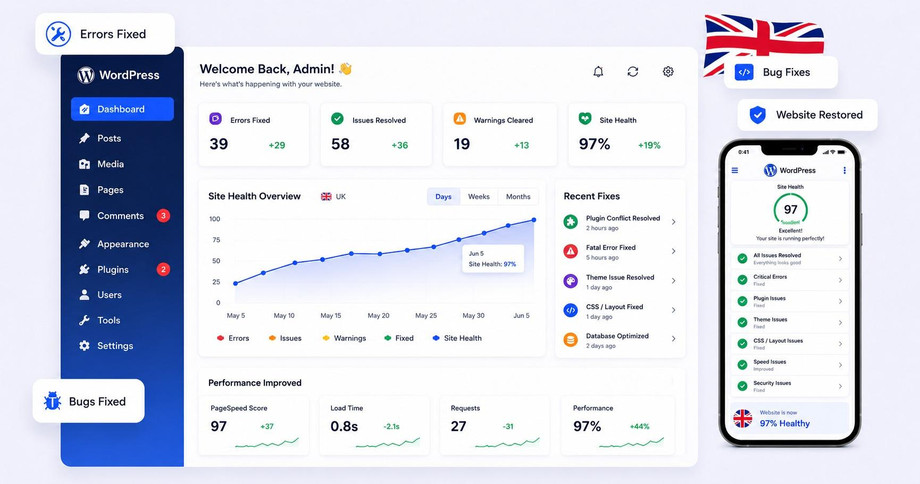
Selecting a professional wordpress optimization service involves more than finding someone who can install a caching plugin. A reliable provider should understand the relationship between hosting, themes, plugins, databases, media files, and front-end code. The goal is to identify the causes of slow performance and apply improvements that suit the website's specific requirements.
A thorough service typically begins with a performance audit, followed by prioritized recommendations and carefully implemented changes. The provider should explain which issues are affecting the website, what improvements are realistic, and how success will be measured. Before-and-after testing can help demonstrate whether the changes have improved loading behavior and user experience.
Ongoing maintenance is equally important. WordPress core updates, plugin changes, new content, and additional website features can gradually affect performance. Regular monitoring helps businesses identify emerging problems before they become significant obstacles. It is also important to maintain backups and test critical functionality after major technical changes.
Businesses should look for transparent communication, relevant technical experience, and an approach that balances speed with website stability. Rather than promising identical results for every website, a dependable specialist will establish realistic goals based on the site's existing condition, infrastructure, and business objectives.
Building a Faster Website for Long-Term Growth
Website optimization should be treated as an ongoing investment rather than a one-time technical task. As a business expands, its website may gain additional pages, images, integrations, and interactive features. Without regular performance reviews, these additions can gradually increase loading times and create new technical challenges.
A consistent optimization strategy includes monitoring important performance metrics, reviewing hosting resources, removing unnecessary plugins, keeping software updated, and testing the website across different devices. Businesses can also review analytics to understand which pages attract the most visitors and prioritize improvements where performance problems may have the greatest impact.
For organizations serving local customers, a fast website supports a more accessible digital presence and complements other marketing activities. When visitors can quickly find relevant information and navigate the site comfortably, they are better positioned to understand the company's offerings and take the next step.
Conclusion
A well-performing WordPress website combines technical efficiency, thoughtful design, reliable hosting, and ongoing maintenance. By reducing unnecessary loading delays and improving responsiveness, businesses can create a better experience for visitors while supporting their broader search visibility and conversion goals. The right optimization strategy should address the causes of poor performance instead of relying on temporary fixes or unrealistic promises.
Whether a company needs an initial performance assessment, technical troubleshooting, or continued website maintenance, investing in optimization can help establish a stronger digital foundation. Businesses looking to improve their website functionality and online performance can explore the solutions offered by 360xpertsolution.com to support a smoother, faster, and more dependable WordPress experience.
