BMX Parts: A Complete Guide to Choosing the Right BMX Bike Parts
Author : Billet BMX | Published On : 22 Oct 2026
BMX bikes are built for riders who value control, durability, and performance. Whether a rider enjoys cruising through the neighborhood, practicing wheelies, riding at a skatepark, or preparing for BMX racing, the right components can make a noticeable difference. Choosing quality BMX Parts helps maintain a bike's performance, improve comfort, and keep every ride enjoyable.
From handlebars and grips to pedals, chains, wheels, and axle nuts, every component has a specific purpose. Understanding how these parts work together makes it easier to find compatible replacements and useful upgrades. Billet BMX offers a selection of bike components and accessories for riders looking to maintain, personalize, or improve their setups.
What Are BMX Parts and Why Do They Matter?
BMX parts are the individual components that make up a BMX bicycle. Some parts help the bike move efficiently, while others provide steering control, stability, comfort, and braking performance. Every component contributes to how the bicycle feels and performs during everyday riding.
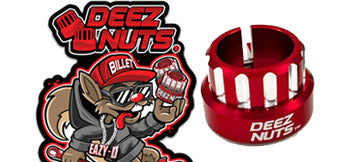
For example, handlebars influence steering and riding position, while grips provide a secure surface for the hands. Pedals transfer power from the rider to the drivetrain, and the chain transfers that power to the rear wheel. Axle nuts and other fastening hardware help secure compatible components in place.
Selecting suitable components is important because BMX bikes are used in different ways. A freestyle rider may prioritize strength and control, while someone who enjoys wheelie bikes may focus on comfort, balance, and appearance. The best choices depend on the bike's specifications, riding style, and intended use.
Essential BMX Parts Every Rider Should Know
Understanding the main bicycle components makes shopping and maintenance much easier. Before purchasing replacements, riders should identify the parts that need attention and confirm the correct specifications.
1. BMX Handlebars
Handlebars play an important role in steering, balance, and rider comfort. Their height, width, and shape influence riding position and control. Some riders prefer wider handlebars for leverage, while others choose a different size to suit their body proportions and riding preferences.
Before buying new handlebars, check the handlebar diameter, stem clamp compatibility, rise, and width. The correct dimensions help ensure a secure fit and comfortable setup.
2. BMX Grips
Grips provide the contact point between the rider's hands and the handlebars. A comfortable pair can help improve control during long rides and repeated practice sessions.
BMX grips are available in different lengths, patterns, and rubber compounds. Some have flanges that provide an additional reference point for hand placement, while flangeless designs offer a more open feel. Riders should confirm that the grips fit standard BMX handlebar ends and consider using compatible bar ends when needed.
3. BMX Pedals
Pedals transfer leg power into the bicycle's drivetrain. They are available in different materials, shapes, and platform designs to suit various riding preferences.
When comparing pedals, consider grip, platform size, durability, and spindle compatibility. Many BMX cranksets use a 9/16-inch pedal thread, but riders should verify the crank specification before ordering. Choosing compatible pedals helps prevent installation problems and unnecessary component wear.
4. BMX Chains and Drivetrain Components
The drivetrain includes the chain, chainring or sprocket, crankset, and rear cog or driver. These components work together to transfer power to the rear wheel.
A worn or poorly adjusted chain can affect pedaling efficiency and may skip under load. Regular inspection helps identify stiff links, excessive wear, and incorrect chain tension. When replacing drivetrain components, check the chain width, gearing compatibility, sprocket fit, and required chain length.
5. BMX Axle Nuts and Hardware
Small hardware components are easy to overlook, but they play an important role in bicycle assembly and maintenance. Axle nuts help secure wheels when the bicycle uses a compatible threaded axle system.
Not all axle hardware is interchangeable. Thread diameter, thread pitch, axle size, and application must match. BMX bikes may use different axle standards, including 3/8-inch and 14mm systems. Checking the existing hardware and manufacturer specifications before ordering helps prevent fitment issues.
6. BMX Wheels, Tires, and Tubes
Wheels and tires influence rolling performance, traction, and the overall feel of the bicycle. Tire selection depends on wheel diameter, tire width, riding surface, and available frame and fork clearance.
Inner tubes must match the tire's size range and valve type. Riders should also inspect tire pressure, tread condition, wheel alignment, and loose spokes as part of routine maintenance.
How to Choose the Right BMX Parts for Your Bike
Choosing replacement components involves more than selecting an attractive design. The correct part must fit the bicycle and meet the rider's needs.
Check compatibility first. Confirm measurements, thread sizes, mounting standards, and component specifications. A part that looks similar to the original may not fit correctly.
Consider the riding style. Freestyle riding, racing, casual cruising, and wheelie riding can place different demands on a bicycle. Choose components according to their intended use rather than appearance alone.
Prioritize durability. Components should be suitable for the loads and conditions they will experience. Review material information and manufacturer guidance when comparing products.
Look for practical comfort improvements. Grips, pedals, and handlebars can influence how a bicycle feels during regular use. Small changes may improve the riding experience when the parts are selected and installed correctly.
Set a realistic budget. Replacing worn or damaged components should take priority over purely cosmetic upgrades. Riders can then plan additional changes as needed.
BMX Parts for Wheelie Bikes and Everyday Cruising
Wheelie bikes and larger-wheel BMX-style bicycles have become popular with riders who enjoy street cruising, customizing their setups, and practicing balance skills. These bicycles may have different frame dimensions and component requirements from traditional 20-inch BMX bikes.
When shopping for BMX parts for a wheelie bike, start by identifying the exact bicycle model and wheel size. A component suitable for one model may not fit another, even when the bikes look similar.
Handlebar dimensions, grip length, pedal threads, axle hardware, and tire clearance deserve particular attention. Riders should also consider how a component affects comfort and control during regular use.
For anyone upgrading a larger-wheel bicycle, checking the manufacturer's specifications is especially important. Compatibility should always come before color, styling, or price.
Signs That Your BMX Parts Need Replacement
Routine inspections can help riders spot problems before they become more serious. Certain symptoms indicate that a component may need adjustment, servicing, or replacement.
-
Worn grips: Cracked rubber, loose grips, or a deteriorating surface can reduce hand comfort and control.
-
Damaged pedals: Cracks, loose pedal bodies, damaged threads, or excessive spindle movement require attention.
-
Chain problems: Stiff links, unusual noise, excessive wear, or repeated skipping can indicate a drivetrain issue.
-
Loose hardware: Axle nuts and other fasteners should be checked according to the bicycle manufacturer's maintenance instructions.
-
Tire damage: Cuts, exposed casing, repeated punctures, or an unsuitable tread condition may mean the tire needs replacement.
-
Steering problems: Unusual headset movement, loose handlebars, or difficulty steering should be inspected before the next ride.
If a component is damaged or a safety-critical part is loose, avoid riding until the problem has been properly addressed. A qualified bicycle mechanic can help diagnose issues that are difficult to identify at home.
Maintaining BMX Parts for Longer Use
Proper maintenance helps components perform as intended and makes it easier to identify wear early. A few consistent habits can help keep a BMX bike in good condition.
Clean the bicycle regularly, especially after riding in dusty or wet conditions. Use suitable bicycle cleaning products and avoid directing high-pressure water at bearings and other sensitive areas.
Keep the chain clean and lubricated with an appropriate bicycle chain lubricant. Wipe away excess lubricant to help reduce dirt buildup. Inspect the chain and drivetrain for signs of wear, and replace components according to their condition and manufacturer recommendations.
Check tire pressure before riding and inspect the tires for cuts or embedded debris. Confirm that the handlebars, stem, pedals, wheels, and other fasteners are secure according to the manufacturer's specified procedures and torque values.
Avoid overtightening hardware, as excessive force can damage threads or components. When a repair requires specialist tools or technical knowledge, professional servicing is a sensible option.
Where to Buy BMX Parts Online
Shopping online makes it easier to compare bicycle components, explore different styles, and find replacement hardware. However, a reliable buying process should begin with compatibility and product specifications rather than price alone.
Billet BMX provides a dedicated collection for riders searching for BMX components and bicycle accessories. Browse the available selection here:
Before placing an order, read the product description carefully, confirm the required measurements, and check whether the item is designed for the intended bicycle model. If a specification is unclear, contact the retailer or consult the bicycle manufacturer before purchasing.
It is also helpful to inspect the condition of related components. For example, installing a new chain may not solve a drivetrain problem if the sprocket or rear driver is also worn. Considering the entire system can help riders make more practical purchasing decisions.
Common Mistakes to Avoid When Buying BMX Parts
Even experienced riders can run into fitment problems when replacing bicycle components. Avoiding a few common mistakes can save time and money.
One frequent mistake is assuming that every BMX component uses the same standard. Axle diameters, pedal threads, handlebar clamps, and tire sizes can differ between bicycles.
Another mistake is choosing a component based only on its appearance. A stylish part is not a suitable upgrade if it does not fit the bike or meet the demands of the intended riding style.
Riders should also avoid ignoring maintenance. New components may wear prematurely if the chain is poorly adjusted, fasteners are incorrectly installed, or related parts are damaged.
Finally, do not overlook safety inspections after installation. Confirm that every component is fitted correctly before riding, and have safety-critical work checked by a qualified mechanic when necessary.
Conclusion
The right BMX parts help riders maintain their bicycles, improve comfort, and build setups suited to their individual riding styles. From handlebars and grips to pedals, chains, wheels, and axle hardware, each component deserves careful consideration.
Compatibility, durability, maintenance, and intended use should guide every purchasing decision. Riders who understand their bicycle's specifications can avoid common fitment problems and choose upgrades with greater confidence.
Billet BMX makes it easy to start exploring available components and accessories in one place. Visit the BMX Parts collection to find options for maintaining, upgrading, or personalizing a BMX bike.
