Biomass Energy: Next Frontier in Renewable Resources
Author : Kalvin Moss | Published On : 30 Apr 2026
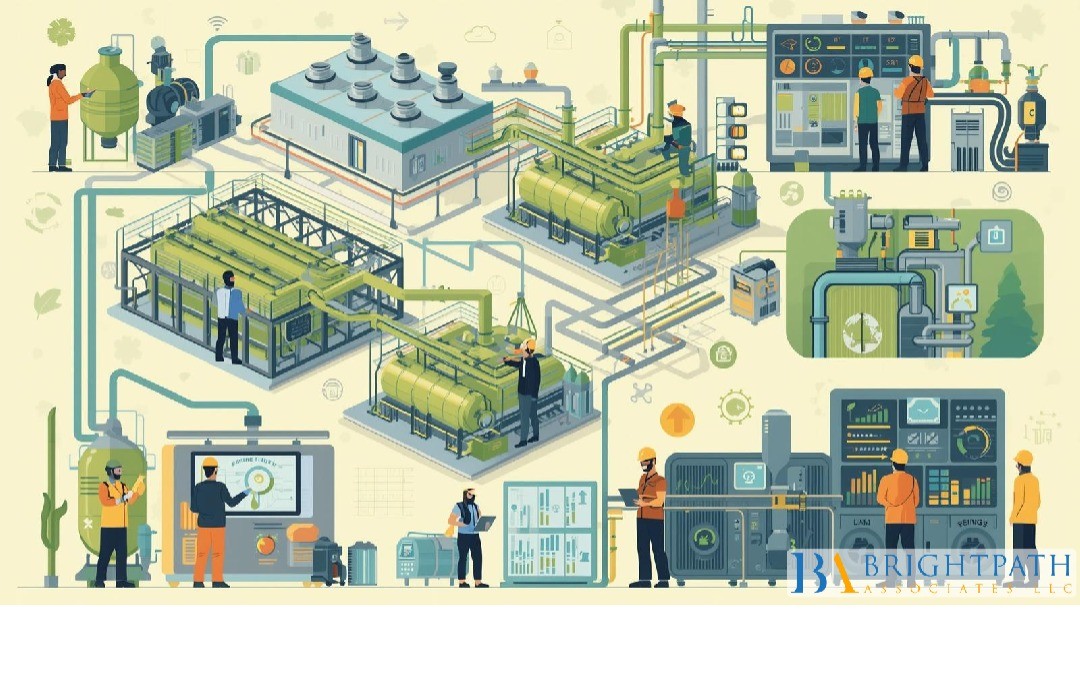
In an era where sustainability is no longer optional but essential, biomass energy is rapidly emerging as a transformative force within the paper and forest products industry. For small to mid-sized enterprises across the United States, this shift represents not just an environmental responsibility—but a strategic opportunity to innovate, reduce costs, and build long-term resilience. As organizations navigate increasing regulatory pressure and market expectations, the question is no longer whether to adopt renewable energy, but how quickly they can integrate it into their operations.
Biomass energy, derived from organic materials such as wood residues, bark, and forest by-products, is deeply embedded in the circular economy of the paper and forest sector. Unlike traditional fossil fuels, biomass utilizes waste materials that would otherwise go unused, turning them into valuable energy sources. In fact, the industry has long been a pioneer in sustainable practices, using leftover materials from production to generate renewable energy and reduce dependency on external fuel sources. This closed-loop system not only enhances efficiency but also reinforces the industry's position as a sustainability leader.
One of the most compelling advantages of biomass energy is its ability to significantly reduce greenhouse gas emissions. Because biomass is part of the natural carbon cycle, it is widely considered a carbon-neutral energy source when managed sustainably. Forests absorb carbon dioxide during growth, and when biomass is used for energy, it releases that same carbon—creating a balanced cycle rather than adding new emissions to the atmosphere. This makes biomass a powerful tool for companies aiming to meet environmental targets while maintaining operational efficiency.
Beyond environmental benefits, biomass energy delivers strong economic value, particularly for businesses operating in rural and resource-rich regions. The development of biomass energy systems supports job creation, strengthens local economies, and provides an additional revenue stream for forest landowners. By creating new markets for forest residues and by-products, biomass energy helps ensure the long-term viability of sustainable forest management. For organizations in the paper and forest products sector, this translates into a more stable and diversified business model.
The versatility of biomass energy further enhances its appeal. Unlike some renewable sources that are intermittent, biomass can provide consistent and reliable energy in the form of heat, electricity, or even biofuels. This flexibility allows companies to integrate biomass into existing operations without compromising productivity. Additionally, advancements in biomass conversion technologies—such as gasification and bio-refining—are opening new avenues for innovation and efficiency. As these technologies continue to evolve, the potential for biomass energy to reshape industrial energy systems becomes even more significant.
However, while the opportunities are substantial, adopting biomass energy also presents challenges that require strategic planning. Sustainable sourcing is critical to ensuring that biomass production does not negatively impact forest ecosystems or biodiversity. Companies must balance increased demand with responsible forest management practices to maintain long-term resource availability. Furthermore, the initial investment in biomass infrastructure and technology can be a barrier for some organizations, particularly smaller enterprises.
This is where leadership and talent become critical differentiators. Successfully transitioning to biomass energy requires skilled professionals who understand both the technical and strategic aspects of renewable energy integration. From sustainability managers to process engineers and operations leaders, the demand for specialized talent in this space is growing rapidly. Organizations that fail to secure the right expertise risk falling behind in an increasingly competitive and innovation-driven market.
For companies looking to stay ahead, aligning workforce strategy with industry transformation is essential. Partnering with experienced executive recruitment firms like BrightPath Associates LLC can provide access to top-tier talent specifically within the paper and forest products industry. By identifying leaders who can drive sustainability initiatives and operational excellence, businesses can accelerate their transition to biomass energy while maintaining a competitive edge.
As the industry continues to evolve, biomass energy is becoming more than just a renewable alternative—it is a strategic pillar for future growth. Companies that embrace this shift are not only contributing to environmental sustainability but also positioning themselves as forward-thinking leaders in a rapidly changing market. To explore how the Paper and Forest Products industry is evolving and where opportunities lie.
At the same time, understanding the broader implications and strategies behind biomass adoption is crucial for making informed decisions. For a deeper dive into how biomass energy is shaping the future of renewable resources, read the original article here: Biomass Energy Frontier in Renewable Resources.
Ultimately, the transition to biomass energy is not just about energy—it’s about transformation. It’s about rethinking how resources are used, how operations are structured, and how businesses create value in a sustainable economy. For C-suite leaders and decision-makers, the opportunity is clear: those who invest in innovation, sustainability, and talent today will define the industry tomorrow.
So, the question is—how prepared is your organization to harness the full potential of biomass energy? Are you equipped with the right strategy, technology, and leadership to lead this transformation, or are you at risk of being left behind?
Now is the time to act. Connect with BrightPath Associates LLC to build the talent and leadership your organization needs to thrive in the evolving paper and forest products industry. What challenges are you currently facing in adopting sustainable energy solutions?
