Biochar Integration: Practical Entry Point for Sustainable Concrete
Author : Shawn Fisher | Published On : 21 Jul 2026
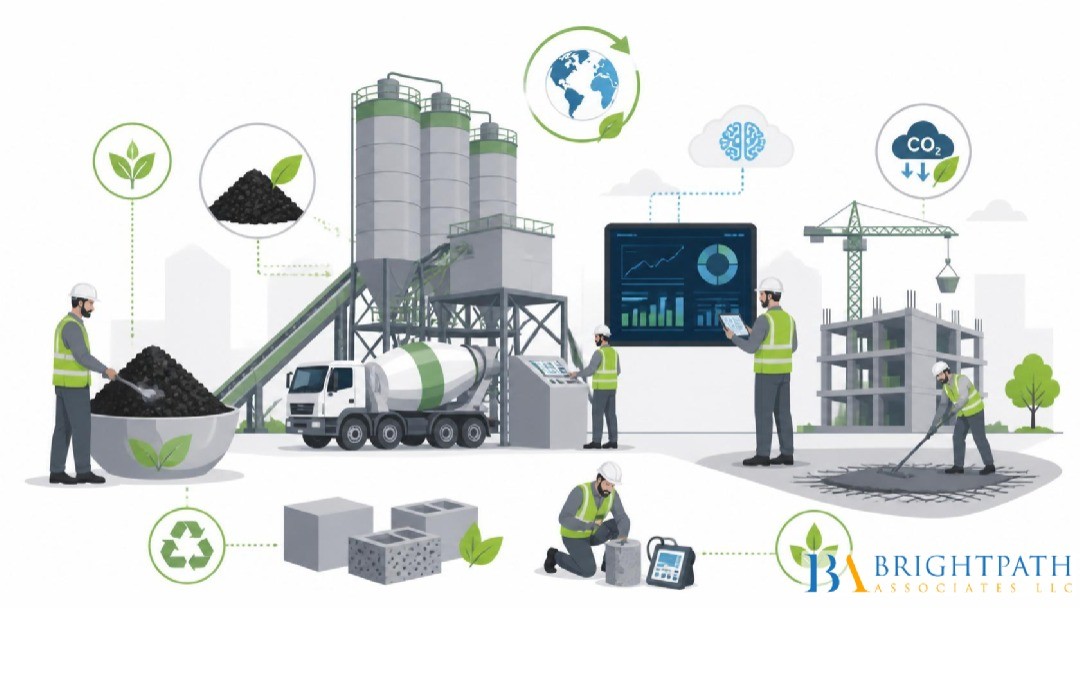
The construction industry is undergoing a significant transformation as governments, developers, and investors increasingly prioritize sustainable building practices. While innovations such as recycled aggregates, supplementary cementitious materials, and energy-efficient manufacturing continue to gain momentum, another promising material is beginning to attract attention: biochar.
Produced by heating organic biomass in a low-oxygen environment, biochar has long been recognized for its applications in agriculture and carbon sequestration. Today, researchers and manufacturers are exploring its potential role in concrete production as part of broader efforts to reduce embodied carbon while improving material performance. Although biochar is not a universal replacement for conventional cementitious materials, it represents a practical opportunity for building materials companies looking to innovate responsibly.
Organizations interested in manufacturing innovation, sustainable construction, and workforce leadership can explore the Building Materials Industry, where emerging technologies continue to reshape the future of construction materials.
Why Sustainability Is Reshaping Concrete Manufacturing
Concrete remains one of the world's most widely used construction materials, yet cement production contributes significantly to global carbon emissions. As infrastructure investments continue to grow, manufacturers face increasing pressure to reduce environmental impacts without compromising product quality or structural performance.
Customers are also becoming more selective. Public infrastructure projects, commercial developers, and environmentally conscious organizations increasingly consider sustainability credentials alongside cost and performance when selecting construction materials. For small and mid-sized manufacturers, adopting environmentally responsible practices can strengthen competitiveness while opening new market opportunities.
Understanding Biochar
Biochar is created through a process known as pyrolysis, where agricultural residues, forestry by-products, or other biomass materials are heated in a controlled, oxygen-limited environment.
Unlike conventional combustion, pyrolysis converts much of the carbon into a stable solid material that can remain stored for extended periods. This characteristic makes biochar particularly attractive from both sustainability and carbon management perspectives. Its porous structure, lightweight nature, and unique surface characteristics also create opportunities for incorporation into construction materials.
Supporting Lower-Carbon Concrete
One reason biochar is gaining attention is its potential contribution to reducing the environmental footprint of concrete.
When incorporated appropriately into concrete mixtures, biochar may help lower overall embodied carbon while supporting broader sustainability objectives. Manufacturers exploring environmentally responsible construction materials often evaluate biochar alongside recycled aggregates, fly ash alternatives, slag-based materials, and other innovative components. Although mix designs require careful engineering, biochar demonstrates how renewable materials can contribute to future construction solutions.
Preparing for Future Market Expectations
Environmental expectations will likely continue expanding across the construction industry. Governments, investors, customers, and financial institutions increasingly encourage lower-carbon infrastructure and more sustainable building materials. Manufacturers that begin evaluating innovative materials today position themselves for greater flexibility as future market expectations evolve.
Biochar represents one of several promising technologies supporting the industry's broader sustainability journey. Organizations that combine innovation with disciplined engineering and quality management will be better prepared for long-term success. Readers interested in learning more about sustainable construction strategies can also explore Biochar Integration and Sustainable Concrete Innovation for additional perspectives on environmentally responsible building materials.
Conclusion
Sustainability is becoming an increasingly important driver of innovation within the building materials industry. Biochar offers manufacturers an opportunity to explore lower-carbon concrete solutions while supporting circular economy initiatives, responsible resource utilization, and long-term environmental objectives. Although successful implementation requires careful engineering, rigorous testing, and thoughtful integration, organizations that evaluate emerging materials today can strengthen competitiveness while preparing for tomorrow's construction challenges.
How is your organization approaching sustainable material innovation? Are you evaluating alternative cementitious materials, carbon-reduction strategies, or circular manufacturing initiatives? Share your experiences, insights, or questions in the comments below. Meaningful discussions help manufacturers, engineers, and construction professionals exchange practical ideas that advance the future of sustainable infrastructure. If your organization is seeking experienced professionals in engineering, manufacturing, quality assurance, sustainability, operations, or executive leadership, BrightPath Associates LLC can help connect you with exceptional talent to accelerate innovation and long-term business success.
