Beyond Spreadsheets: Automating Compliance Reporting for Small-Batch Refineries
Author : Daniel Sparks | Published On : 09 Jul 2026
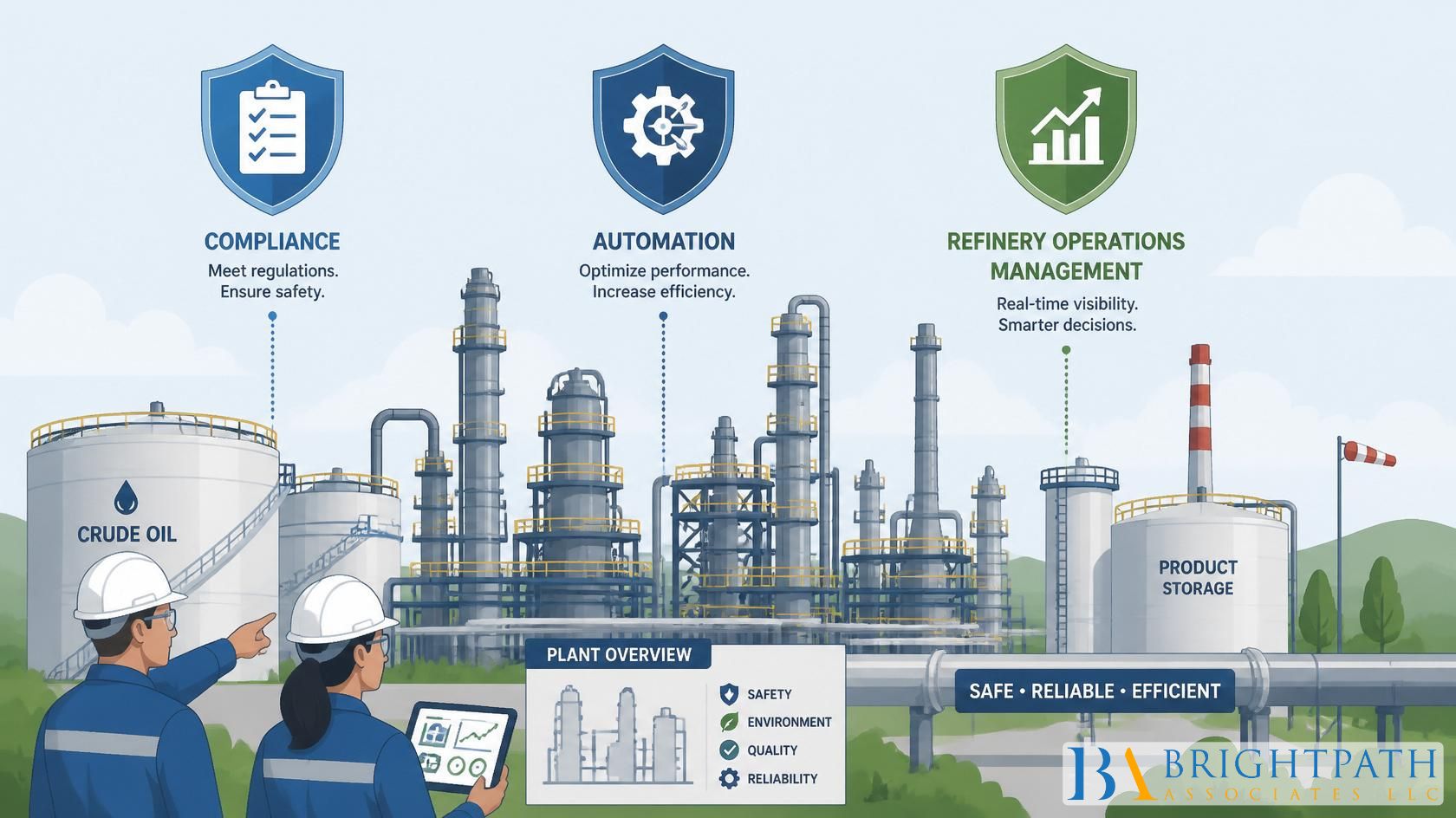
The oil and energy sector operates in one of the most highly regulated environments in the United States. Refineries must comply with environmental regulations, workplace safety standards, emissions reporting requirements, and operational audits. As these requirements continue to evolve, relying on spreadsheets and manual reporting processes is becoming increasingly inefficient and risky.
For small to mid-sized refineries, automating compliance reporting is no longer simply a technology upgrade—it is a strategic investment that improves operational efficiency, reduces risk, and strengthens regulatory confidence. Companies that modernize their reporting systems can spend less time managing paperwork and more time optimizing production and driving business growth.
Reducing Risk Across the Organization
Compliance failures often result from missing information rather than intentional violations. Automated systems reduce this risk by standardizing reporting workflows and maintaining comprehensive audit trails. Many solutions also include built-in alerts that notify teams when inspections are approaching, permits require renewal, or operational thresholds exceed regulatory limits.
These proactive capabilities help organizations avoid costly surprises while improving overall governance. Research into automated compliance management has shown that technology can significantly improve the identification of regulatory changes and streamline business processes, reducing the burden on compliance teams.
The Role of Skilled Professionals
Technology delivers the greatest value when supported by experienced professionals. Successful compliance automation requires collaboration between environmental specialists, operations managers, engineers, information technology teams, and executive leadership.
Finding professionals with expertise in refinery operations, regulatory compliance, digital transformation, and process improvement has become increasingly important as companies modernize their operations.
Organizations within the Oil & Energy Industry are investing not only in advanced technologies but also in experienced leaders who can successfully implement operational improvements while maintaining regulatory excellence.
Preparing for Future Regulations
Environmental and safety regulations will continue to evolve. Companies that continue relying on manual reporting processes may find it increasingly difficult to keep pace with changing requirements. Digital compliance platforms offer greater flexibility by allowing organizations to adapt reporting workflows as regulations change without rebuilding their entire reporting process.
Businesses that invest today are better prepared for tomorrow's regulatory landscape while creating a stronger operational foundation for future growth. For a deeper look at practical strategies for modernizing refinery reporting processes, explore this guide on Automating Compliance Reporting for Refineries.
Looking Ahead
Compliance reporting is no longer just an administrative responsibility—it has become an essential component of operational excellence. Automation helps refineries improve accuracy, increase efficiency, reduce compliance risks, and make better business decisions through reliable, real-time data.
Organizations that combine modern technology with experienced leadership will be better positioned to meet regulatory expectations while improving operational performance in an increasingly competitive energy market.
