Beyond Giants: Identifying Growth Opportunities Among US Small & Mid-Sized Railroad Manufacturing Co
Author : David Pitman | Published On : 27 Mar 2026
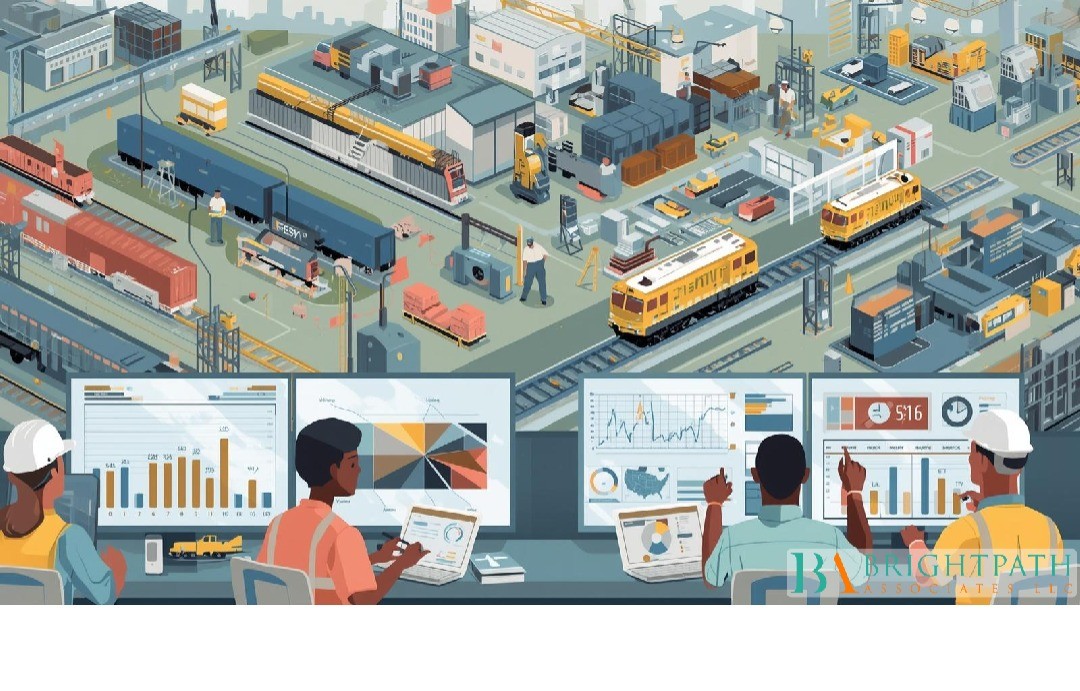
The U.S. railroad manufacturing industry has long been dominated by large, established players with extensive resources, global reach, and strong brand recognition. However, beneath the surface of this highly consolidated market lies a dynamic and often overlooked segment—small and mid-sized railroad manufacturing companies. These organizations, while operating with fewer resources, are increasingly becoming engines of innovation, agility, and specialized expertise. For C-suite leaders and decision-makers, the question is no longer whether these companies can compete with industry giants, but how they can strategically position themselves to capture growth opportunities in an evolving market landscape.
Small and mid-sized railroad manufacturers operate in a unique space where flexibility and specialization can become powerful competitive advantages. Unlike large corporations that often rely on standardized processes and large-scale production, smaller firms can adapt quickly to changing market demands. This agility allows them to serve niche markets, customize solutions, and respond to customer needs with greater speed and precision. In an industry where infrastructure projects, technological advancements, and regulatory changes are constantly reshaping demand, the ability to pivot quickly is a critical asset.
One of the most significant growth opportunities for these companies lies in the modernization of rail infrastructure across the United States. As federal and state governments invest heavily in transportation upgrades, there is increasing demand for advanced rail components, signaling systems, and energy-efficient technologies. While large corporations often focus on large-scale contracts, smaller manufacturers can carve out opportunities in specialized segments such as component manufacturing, retrofitting, and maintenance solutions. By aligning their capabilities with these emerging demands, small and mid-sized firms can position themselves as essential partners in the broader rail ecosystem.
Technological innovation is another area where smaller railroad manufacturers can thrive. The industry is undergoing a digital transformation, with advancements in automation, predictive maintenance, and data analytics reshaping how rail systems are designed and maintained. Small and mid-sized companies, unencumbered by legacy systems and bureaucratic constraints, are often better positioned to adopt and implement these technologies بسرعة. By integrating digital tools into their operations, these firms can enhance efficiency, improve product quality, and deliver greater value to their customers.
Sustainability is also emerging as a key driver of growth in the railroad manufacturing sector. As environmental regulations become more stringent and stakeholders demand greener solutions, there is a growing need for energy-efficient components, low-emission technologies, and sustainable manufacturing practices. Small and mid-sized companies can leverage their flexibility to innovate in this space, developing solutions that meet evolving environmental standards while also differentiating themselves in the market. This focus on sustainability not only aligns with regulatory requirements but also enhances brand reputation and opens doors to new business opportunities.
Despite these opportunities, small and mid-sized railroad manufacturers face several challenges that can hinder growth. Limited access to capital, resource constraints, and competition from larger players can create barriers to expansion. Additionally, navigating complex regulatory environments and maintaining compliance with industry standards can be particularly challenging for smaller organizations. However, these challenges can be mitigated through strategic planning, partnerships, and investment in the right capabilities.
One of the most critical factors in overcoming these challenges is leadership. In a rapidly evolving industry, the ability to make informed, strategic decisions is essential for success. Leaders must not only understand the technical aspects of railroad manufacturing but also possess the vision to identify emerging trends and opportunities. This requires a combination of industry expertise, business acumen, and adaptability. For small and mid-sized companies, building a strong leadership team is not just a competitive advantage—it is a necessity.
Talent acquisition and retention play a pivotal role in shaping the future of these organizations. The railroad manufacturing industry is experiencing a growing demand for skilled professionals who can navigate both traditional manufacturing processes and modern technological advancements. From engineers and operations managers to digital specialists and supply chain experts, the need for diverse skill sets is greater than ever. Companies that invest in attracting and retaining top talent are better positioned to drive innovation, improve operational efficiency, and achieve sustainable growth.
For organizations seeking to better understand the broader landscape of the railroad manufacturing industry. This resource provides valuable insights into the trends, challenges, and opportunities shaping the industry, helping leaders make informed decisions and develop effective strategies.
Equally important is understanding how these growth opportunities translate into actionable strategies. For a deeper dive into the dynamics of small and mid-sized railroad manufacturing companies and the pathways to success, read the original article here: US Railroad Manufacturing Companies. This analysis offers detailed perspectives on how organizations can leverage their strengths to compete effectively in a complex and competitive market.
As the U.S. railroad manufacturing industry continues to evolve, the role of small and mid-sized companies will become increasingly significant. These organizations have the potential to drive innovation, support infrastructure development, and contribute to the overall growth of the industry. However, realizing this potential requires a strategic approach that combines agility, innovation, and strong leadership.
The future belongs to companies that can adapt to change, embrace new technologies, and align their strategies with market demands. For small and mid-sized railroad manufacturers, this means leveraging their unique strengths while addressing their challenges head-on. By doing so, they can not only compete with industry giants but also carve out a distinct and sustainable position in the market.
Call to Action: How is your organization positioning itself to capture growth opportunities in the evolving railroad manufacturing landscape? Are you leveraging agility and innovation to stay ahead of the competition, or facing challenges in scaling and talent acquisition? What trends do you believe will shape the industry over the next 3–5 years? Share your insights in the comments—we’d love to hear your perspective. And if you’re looking to strengthen your leadership team and unlock new growth opportunities, connect with BrightPath Associates LLC to discover how the right talent can drive your organization forward.
