Beyond Earth: Future of Packaging in Space Logistics
Author : Todd Beddard | Published On : 25 Mar 2026
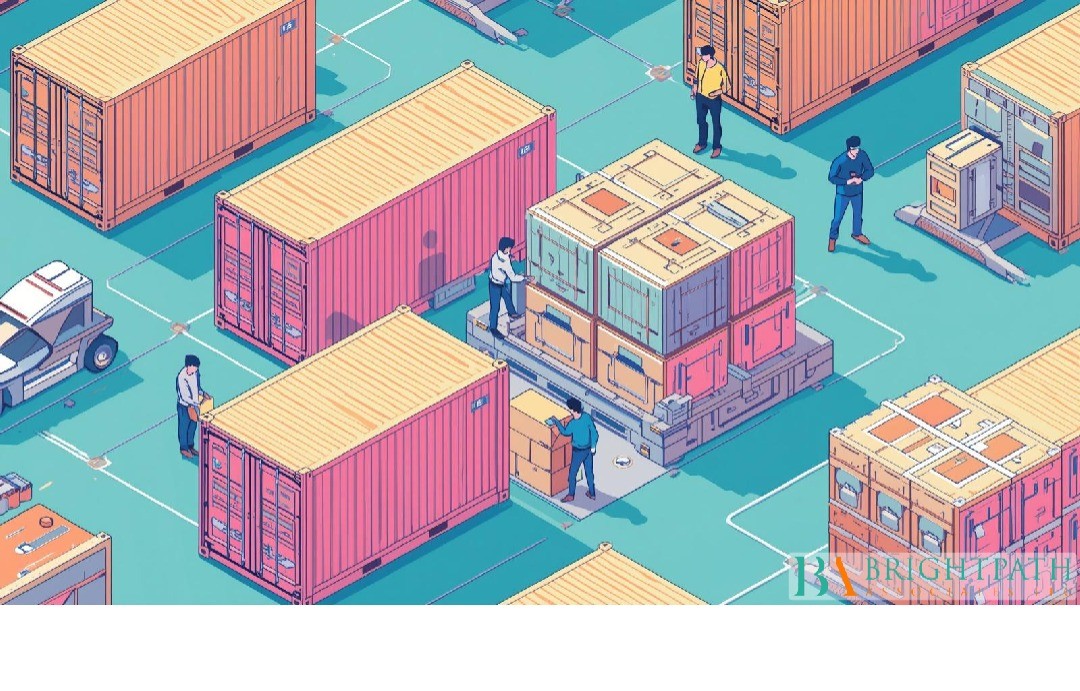
As human innovation pushes beyond Earth’s boundaries, industries are being forced to rethink their fundamentals—and the packaging sector is no exception. Space exploration, satellite deployment, and the rise of commercial space ventures are redefining logistics in ways never imagined before. At the center of this transformation lies a critical yet often underestimated component: packaging.
In space logistics, packaging is no longer just about protecting goods. It is about ensuring performance, reliability, and survival in environments where even the smallest failure can have significant consequences. This shift demands a new level of thinking from industry leaders, especially those in the packaging and container sector.
Why Space Logistics Demands a New Approach to Packaging
Traditional packaging systems are designed for Earth-based conditions, where gravity, temperature, and environmental variables are relatively stable. Space, however, introduces extreme challenges. From intense radiation and vacuum conditions to severe temperature fluctuations and zero gravity, the environment is highly unpredictable.
In such conditions, packaging must do far more than contain products—it must actively protect, stabilize, and sometimes even monitor them. The margin for error is minimal, making precision and reliability essential. This is why packaging in space logistics is evolving from an operational function into a strategic necessity.
Advanced Materials: The Foundation of Space Packaging
One of the most significant drivers of innovation in space packaging is the development of advanced materials. Lightweight yet highly durable materials are critical, as every gram of weight impacts mission costs and efficiency.
Nanotechnology is playing a transformative role in this area. By enhancing material strength, improving barrier properties, and increasing resistance to environmental stress, nanomaterials are enabling packaging solutions that can withstand the harsh realities of space. These materials not only ensure the safety of sensitive equipment but also contribute to overall mission efficiency by optimizing payload capacity.
This evolution highlights a broader industry trend where performance and resilience are becoming more important than traditional cost considerations.
Smart Packaging: Adding Intelligence to Protection
Beyond physical durability, the future of space packaging lies in intelligence. Smart packaging systems equipped with sensors and monitoring technologies are becoming increasingly important in high-risk environments like space.
These systems can track factors such as temperature, pressure, and radiation exposure in real time. This data allows mission teams to identify potential issues before they escalate, improving safety and reliability. In many ways, smart packaging transforms passive containers into active contributors to mission success.
For companies in the packaging industry, this represents a significant opportunity to move up the value chain by integrating technology into traditional solutions.
Sustainability in Space: A Growing Priority
Sustainability is no longer limited to Earth—it is becoming a critical consideration in space logistics as well. Waste management in space missions presents unique challenges, making it essential to design packaging that minimizes environmental impact.
Reusable, recyclable, and lightweight materials are gaining importance as organizations seek to reduce waste and improve efficiency. Advanced material innovations are helping achieve these goals by extending product life cycles and reducing the need for excess packaging.
For forward-thinking companies, sustainability in space is not just a responsibility—it is an opportunity to lead innovation in a rapidly evolving market.
Emerging Opportunities for the Packaging Industry
The expansion of space logistics is creating new opportunities for companies willing to innovate. As private and public sector investments in space continue to grow, the demand for specialized packaging solutions is increasing.
Packaging companies can explore opportunities in developing high-performance materials, designing smart packaging systems, and collaborating with aerospace and technology firms. This shift opens the door to high-value markets that go beyond traditional applications.
To better understand how this evolving landscape is shaping growth and talent demands, explore the Packaging and Containers Industry and how companies are positioning themselves for future opportunities.
Role of Leadership in Driving Innovation
While technological advancements are critical, the success of space packaging ultimately depends on leadership and talent. The convergence of packaging, material science, and aerospace requires a new kind of expertise—leaders who can navigate multiple disciplines and drive innovation.
For small to mid-sized companies, this presents both a challenge and an opportunity. Those who invest in the right talent can quickly adapt and compete in emerging markets, while others risk being left behind.
Building teams that combine technical expertise with strategic vision is essential for long-term success in this evolving industry.
Overcoming Challenges in Space Packaging Development
Despite its potential, space packaging development is not without challenges. High research and development costs, complex testing requirements, and regulatory considerations can slow progress.
Additionally, the need for interdisciplinary collaboration adds another layer of complexity. Companies must bring together experts from materials science, engineering, and logistics to create effective solutions.
However, organizations that successfully navigate these challenges gain a significant competitive advantage. By adopting a strategic approach that includes innovation, collaboration, and talent investment, they can position themselves as leaders in this emerging field.
Packaging as a Strategic Asset in Space Logistics
As space exploration continues to evolve, packaging is becoming a core component of mission success. It is no longer just a supporting function but a strategic asset that directly impacts efficiency, safety, and innovation.
From protecting sensitive instruments to enabling advanced monitoring systems, packaging plays a vital role in ensuring that space missions achieve their objectives. This shift is redefining the role of packaging companies and creating new opportunities for growth and differentiation. For a deeper understanding of how these innovations are shaping the future, explore Beyond Earth: The Future of Packaging in Space Logistics.
Final Thought: Are You Ready to Think Beyond Earth?
The packaging industry is entering a new era—one that extends far beyond traditional markets and into the frontier of space. Companies that embrace this transformation will have the opportunity to lead in a high-growth, innovation-driven environment
