Beyond Disruption: Forecasting the Future of Textile Industry
Author : Ayesha Diaz | Published On : 13 May 2026
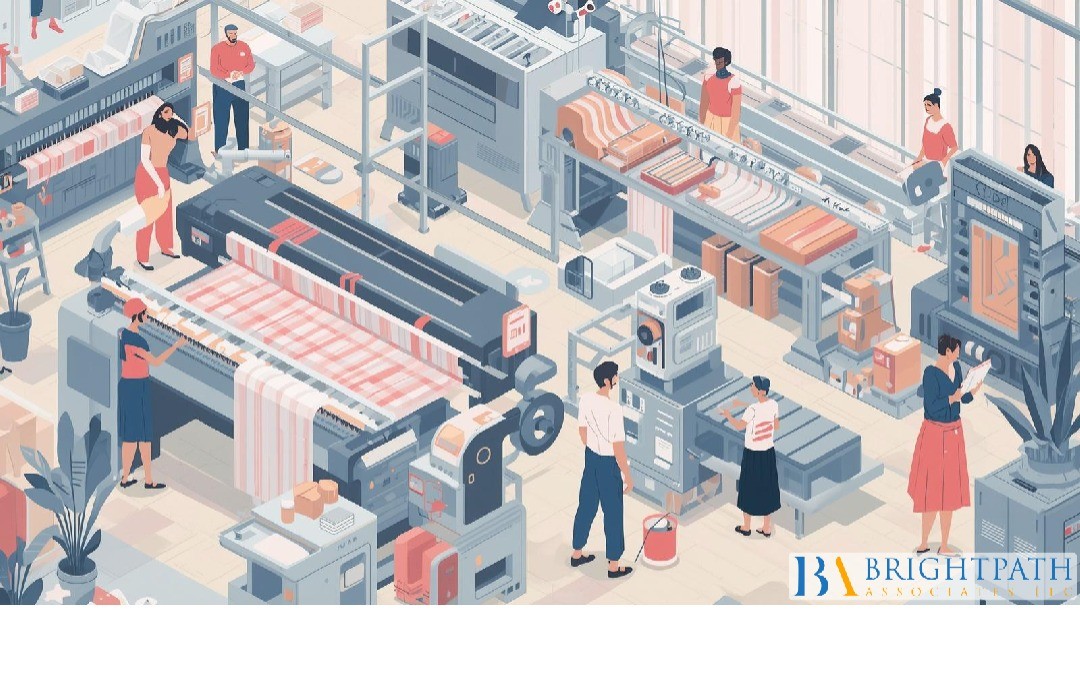
The Textile Industry is entering one of the most transformative periods in its history. What was once considered a traditional manufacturing sector is now evolving into a technology-driven, sustainability-focused, and innovation-led global ecosystem. From smart textiles and AI-powered production systems to circular manufacturing and transparent supply chains, the future of textiles is being shaped by forces far beyond conventional disruption. For small to mid-sized textile enterprises across the United States, the challenge is no longer simply surviving market volatility—it is preparing for a future where adaptability, digital transformation, and strategic leadership will determine long-term success.
Global market dynamics are rapidly changing how textile manufacturers operate. Trade tensions, shifting sourcing strategies, environmental regulations, changing consumer expectations, and technological advancements are redefining the competitive landscape. Industry analysts note that the textile sector is moving toward future-ready supply chains built around resilience, transparency, sustainability, and automation. Companies that continue relying solely on traditional operational models may struggle to remain competitive as the industry accelerates toward modernization.
One of the most influential trends shaping the future of textiles is sustainability. Environmental responsibility is no longer viewed as an optional branding initiative. Consumers, investors, regulators, and global retail brands increasingly expect textile companies to demonstrate measurable progress in sustainable manufacturing practices. Businesses are now under pressure to reduce waste, lower carbon emissions, adopt eco-friendly production methods, and improve supply chain traceability. Industry reports highlight that sustainability is evolving from a competitive advantage into a baseline expectation across global textile markets.
Circular economy initiatives are also gaining momentum throughout the industry. Textile recycling, reusable materials, waste reduction systems, and closed-loop manufacturing models are becoming central to long-term industry planning. Companies are increasingly investing in recycled polyester technologies, biodegradable fibers, and advanced recycling infrastructure to reduce dependence on virgin raw materials. Industry experts suggest that textile-to-textile recycling could become a critical component of the sector’s sustainability future as regulations surrounding waste management and environmental accountability continue expanding.
Technology adoption is another major force reshaping the industry’s future. Artificial intelligence, robotics, automation, digital twins, and predictive analytics are transforming textile manufacturing into a more data-driven and agile environment. Smart factories are improving efficiency, reducing operational waste, accelerating product development cycles, and enhancing production accuracy. AI-powered forecasting systems are helping manufacturers respond more effectively to rapidly changing consumer demand while minimizing inventory risk and production inefficiencies. Industry research indicates that automation and digital transformation are becoming essential for operational scalability and long-term competitiveness.
The rise of smart textiles and advanced materials is also opening new growth opportunities across multiple industries. Textiles are increasingly being integrated into healthcare, automotive manufacturing, defense systems, wearable technology, and industrial applications. Functional fabrics capable of temperature regulation, moisture control, biometric monitoring, and enhanced durability are creating entirely new markets for textile innovation. Technical textiles and performance materials are expected to become some of the fastest-growing segments within the broader industry as organizations seek higher-value manufacturing opportunities.
At the same time, supply chain resilience has become a major strategic priority. Recent global disruptions exposed vulnerabilities within textile sourcing, logistics, and inventory management systems. In response, many manufacturers are adopting nearshoring strategies, diversifying supplier networks, and investing in regional manufacturing capabilities to improve operational stability. Industry experts continue emphasizing that future-ready supply chains will require greater flexibility, transparency, and digital integration to withstand ongoing geopolitical and economic uncertainty.
Consumer behavior is also significantly influencing the future direction of the industry. Gen Z and younger consumer groups are prioritizing ethical sourcing, traceability, product transparency, and sustainable production practices. Demand for premium-quality, personalized, and environmentally responsible products is increasing rapidly. This shift is forcing textile companies to rethink traditional fast-fashion production models and move toward more agile, customer-centric manufacturing strategies. Industry analysts predict that brands capable of aligning sustainability with innovation and customization will hold a stronger competitive position in the coming years.
However, navigating this transformation requires more than technology investment alone. Leadership capability is becoming one of the most important competitive differentiators across the Textile Industry. Organizations need executives who understand operational modernization, sustainability strategy, supply chain transformation, workforce development, and digital innovation. Companies that lack experienced leadership may struggle to align technological advancements with long-term business objectives and market demands.
The workforce itself is evolving alongside industry transformation. Advanced manufacturing systems require employees with expertise in automation, AI integration, data analytics, sustainable production methods, and digital operations. Many textile companies are experiencing growing talent shortages as demand increases for highly specialized professionals capable of managing modern manufacturing environments. Workforce development and executive recruitment are therefore becoming essential components of long-term industry growth strategies.
This shift is particularly important for small to mid-sized textile enterprises throughout the United States. While larger corporations may possess greater financial resources, agile mid-sized companies often have the advantage of adapting more quickly to emerging technologies and market changes. Businesses that invest strategically in leadership, workforce capabilities, sustainability initiatives, and operational modernization may be better positioned to capitalize on future opportunities within the evolving textile landscape.
The future of the Textile Industry will likely belong to organizations capable of balancing innovation with resilience. Companies that embrace sustainable manufacturing, digital transformation, advanced materials, and supply chain agility will not only improve operational performance but also strengthen their long-term market relevance. The next decade will reward businesses that treat disruption not as a threat, but as an opportunity to redefine how textile manufacturing creates value in a rapidly changing global economy.
At BrightPath Associates LLC, we understand the workforce and leadership challenges textile organizations face as the industry moves toward a more technology-driven and sustainability-focused future. Our executive search expertise helps small to mid-sized textile enterprises identify forward-thinking leaders capable of driving innovation, operational excellence, workforce transformation, and sustainable business growth.
For deeper insights into emerging trends and industry transformation strategies, explore our detailed resource on Forecasting Future of Textile Industry.
As the Textile Industry continues evolving at an unprecedented pace, organizations must ask themselves an important question: Is your company preparing to react to disruption, or building the leadership, innovation, and operational resilience needed to shape the future of the industry itself?
