Best Yoga Studio Management Software 2026: A Must Have for Growing Studios
Author : Yoga CRM | Published On : 20 Aug 2026
If you run a yoga studio, you already know the real challenge isn't teaching great classes. It's everything that happens around the classes the scheduling headaches, the no shows, the awkward moment when two students show up for the same mat spot because your booking sheet glitched, the late night hours spent chasing membership renewals instead of, well, living your life.
This is exactly why so many studio owners are switching to dedicated Yoga Studio Software instead of duct taping together spreadsheets, WhatsApp groups, and a payment app that never quite syncs right.
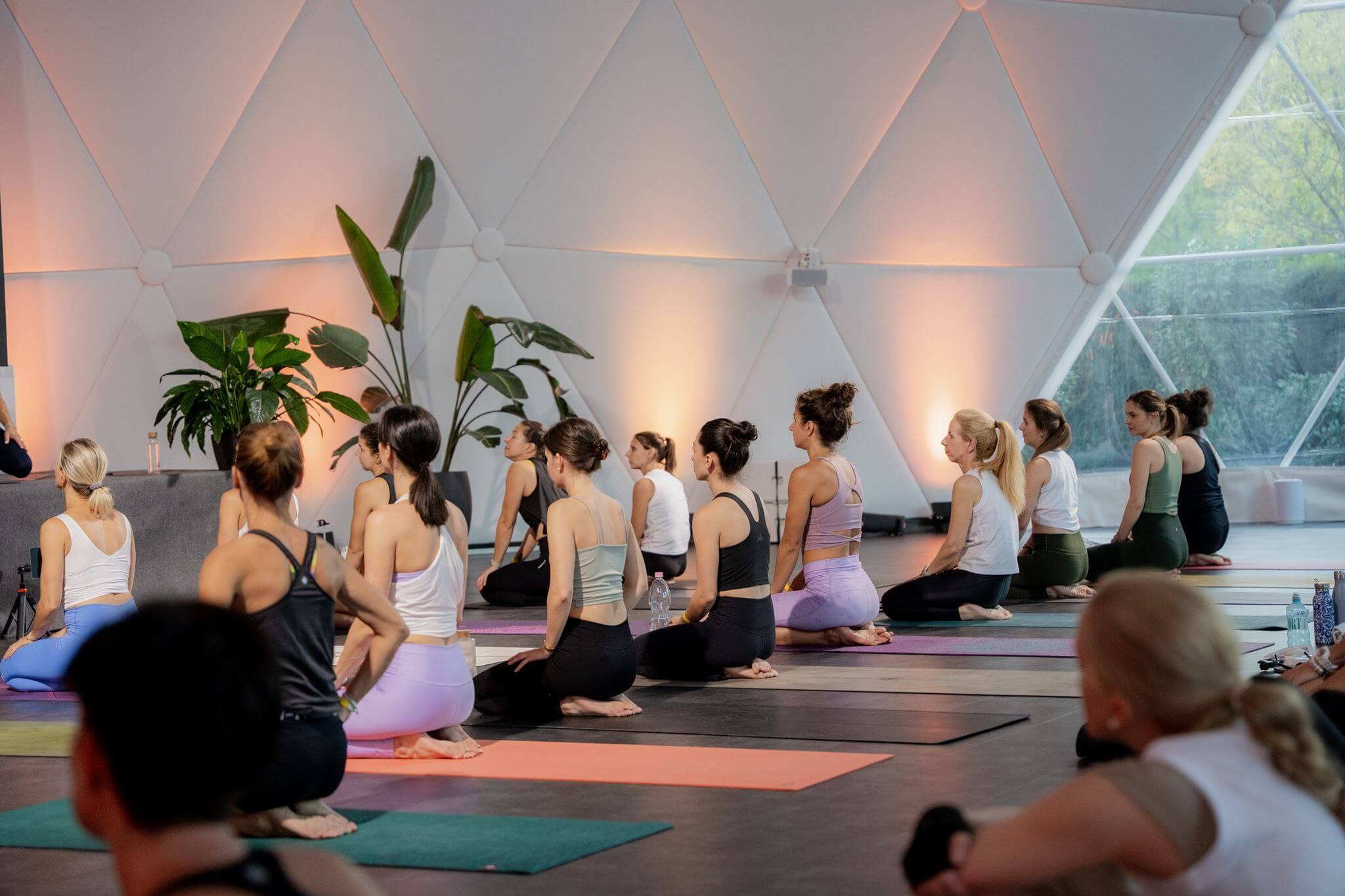
The Problem With Winging It
In the early days, most studios get by on hustle. A shared Google Calendar here, a Venmo request there, a paper sign in sheet taped to the front desk. It works until it doesn't.
Once you cross a certain number of students, classes, or teachers, the cracks start to show. Bookings overlap. Payments get missed. You lose track of who renewed their membership and who quietly stopped showing up three weeks ago. And every hour you spend fixing these small fires is an hour you're not spending on your students, your teachers, or your own practice.
This is the exact gap that proper yoga studio management software is built to close.
What Good Yoga Studio Software Should Actually Do
Not all software is created equal, and honestly, a lot of it is built for gyms or generic fitness businesses and just rebranded for yoga. That's a mismatch. A Yoga Studio has its own rhythm smaller class sizes, personal relationships with students, package based pricing, workshops, teacher trainings, and a community feel that a generic booking tool just doesn't understand.
Here's what genuinely useful software should cover:
Effortless class scheduling
Your teachers and students should be able to see live availability, book in seconds, and get automatic reminders no back and forth messages required.
Membership and package management
Whether you offer drop ins, monthly unlimited passes, or 10 class bundles, the system should track usage automatically so nobody's arguing about how many classes they have left.
Automated payments
Recurring billing, card on file renewals, and instant receipts save you from having to personally chase down payments every single month.
Attendance and waitlists
When a class fills up, a smart waitlist should automatically notify the next person in line the second a spot opens.
Reporting that means something
You should be able to glance at a dashboard and know which classes are thriving, which teachers are bringing in the most bookings, and where your revenue is actually coming from.
A smooth student experience
At the end of the day, if booking a class feels clunky, students notice and that friction quietly costs you retention.
This is where a platform like YogaCRM fits in. It's built specifically around how yoga studios actually operate, not adapted from some generic fitness template.
Why This Matters More Than It Seems

There's a quiet cost to running your studio on scattered tools that most owners don't calculate until much later the cost of your own time. Every hour spent manually confirming bookings or reconciling payments is an hour not spent building your community, developing new class formats, or simply resting.
Studios that switch to proper Yoga Studio Management Software typically notice three things fairly quickly:
-
Fewer scheduling conflicts and no shows, because reminders happen automatically.
-
Better cash flow, since renewals and payments aren't left to memory.
-
Happier students, because booking a class feels as easy as ordering coffee.
None of this is about replacing the human, community driven feel of your studio. It's about removing the operational noise so that feeling can actually come through.
Choosing the Right Platform for Your Studio
If you're evaluating options, a few questions are worth asking before you commit:
-
Is it built for yoga studios specifically, or adapted from a generic booking tool?
-
Does it handle both class based and package based pricing smoothly?
-
Can students book, cancel, and manage their own accounts without calling you?
-
Does it integrate payments directly, or will you still need a separate processor?
-
Is there real support if something breaks on a Monday morning before your first class?
A platform like YogaCRM was designed with these exact pain points in mind giving studio owners one place to manage bookings, memberships, payments, and communication, instead of juggling five different tools that don't talk to each other.
The Bottom Line
Running a yoga studio should feel like building a community, not managing a logistics puzzle. The right software doesn't replace what makes your studio special it just gets out of the way so that specialness can actually shine through to your students.
If your current system involves more spreadsheets than you'd like to admit, it might be time to see what dedicated yoga studio software can take off your plate.
FAQ’s
1. What is yoga studio software, and do I really need it?
Yoga studio software is a platform that handles scheduling, memberships, payments, and student communication in one place. You don't need it to run a studio, but once you're managing more than a handful of classes or teachers, it saves an enormous amount of manual work.
2. How is yoga studio management software different from regular booking apps?
Generic booking apps are built for a wide range of businesses salons, gyms, consultants and yoga features get bolted on as an afterthought. Dedicated yoga software is built around class based scheduling, package pricing, and the community focused way yoga studios actually operate.
3. Can small or independent studios benefit from this kind of software?
Yes often more than larger studios. A solo instructor or small studio has less room to absorb missed payments or scheduling mix ups, so automating those tasks frees up time that directly impacts the bottom line.
4. Will switching software confuse my existing students?
Not if the platform is intuitive. Most students actually prefer it, since self service booking and automatic reminders are easier than messaging the studio directly every time.
5. Does yoga studio software handle online and hybrid classes too?
Good platforms support both in person and virtual class formats, so studios offering livestream or on demand sessions can manage everything from a single dashboard.
6. How long does it take to switch to a new system?
Migration timelines vary, but most studios can move their student data, class schedules, and payment setup over within a few days to a couple of weeks, depending on the size of the studio.
7. Is YogaCRM suitable for studios with multiple locations or teachers?
Yes. Multi location and multi teacher setups are common use cases, with role based access so teachers only see what's relevant to their classes while owners retain full visibility.
