Best Pots for Succulent Arrangements
Author : Succulent Arrangements | Published On : 05 Mar 2026
A well-designed succulent arrangement starts with the right pot.
While plant selection often gets the attention, the container plays an equally critical role in plant health. According to horticulture research from Texas A&M AgriLife Extension, container drainage and soil aeration are two of the most important factors affecting succulent survival in containers.
Succulents store water in their leaves and stems. When planted in the wrong container—especially those without proper drainage—the roots remain wet too long, leading to fungal disease and rot.
Choosing the right pot ensures proper drainage, airflow around roots, and long-term stability for your arrangement.
Below is a research-backed guide to the best containers for succulent arrangements, including materials, pros and cons, and design considerations.
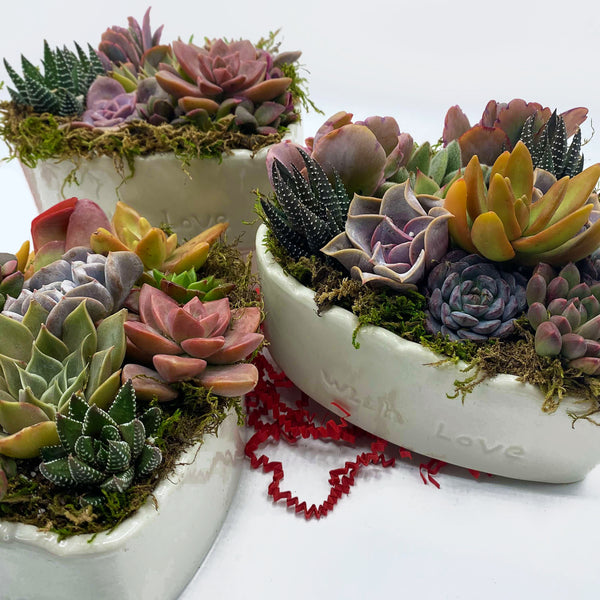
What Makes a Pot Ideal for Succulent Arrangements
Not all decorative pots are suitable for succulents. The ideal container balances moisture control, airflow, and stability.
Key Features to Look For
-
Drainage holes at the base
-
Porous material that allows moisture evaporation
-
Shallow depth for compact root systems
-
Wide opening for airflow and plant spacing
-
Stable weight to prevent tipping outdoors
Succulents typically have shallow roots. A wide container often performs better than a deep one.
Terracotta Pots: The Gold Standard for Succulent Containers
Terracotta is widely considered the best material for succulents.
These clay pots are naturally porous, allowing excess moisture to evaporate through the walls. This reduces the chance of overwatering—one of the most common causes of plant death.
Advantages
-
Excellent moisture regulation
-
Highly breathable material
-
Classic natural aesthetic
-
Widely available and affordable
Drawbacks
-
Can dry soil quickly in very hot climates
-
Breakable if dropped
-
Salt stains may appear over time
Despite these minor downsides, terracotta remains the most recommended option for succulent arrangements.
Ceramic Pots with Drainage
Glazed ceramic containers are popular because of their decorative appeal.
However, unlike terracotta, ceramic pots are non-porous, meaning water does not evaporate through the sides.
This makes drainage holes essential.
Best Use Cases
-
Indoor succulent arrangements
-
Covered patio displays
-
Decorative tabletop arrangements
Without drainage, ceramic containers can trap moisture and increase the risk of root rot.
Concrete Planters for Modern Succulent Designs
Concrete pots are increasingly popular in contemporary landscaping.
They offer a clean, architectural appearance and excellent durability.
Benefits
-
Heavy and stable outdoors
-
Excellent temperature insulation
-
Long-lasting material
-
Ideal for minimalist succulent arrangements
Considerations
Concrete retains some moisture. A fast-draining soil mix is essential when using these planters.
Shallow Bonsai-Style Pots
Because succulents have compact roots, shallow containers are often the best shape for group plantings.
These containers allow better airflow and prevent deep soil layers from staying wet too long.
Ideal Plants for Shallow Pots
-
Echeveria
-
Haworthia
-
Graptopetalum
-
Sedum varieties
Shallow bowls are particularly effective when creating decorative succulent arrangement displays for patios or tabletops.
Wooden Planter Boxes
Wooden containers bring a natural, rustic aesthetic that pairs well with succulents.
However, they must be designed properly.
Important Features
-
Drainage holes drilled in the base
-
Protective liner or landscape fabric
-
Rot-resistant woods like cedar or redwood
Wooden boxes are commonly used for succulent gift boxes, especially for decorative or seasonal arrangements.
While visually appealing, wood containers require careful moisture control.
Hanging Pots for Cascading Succulent Arrangements
Some succulents naturally trail and spill over container edges.
Hanging containers allow these plants to grow naturally while creating visual interest.
Ideal Hanging Succulents
-
String of pearls (Senecio rowleyanus)
-
Burro’s tail (Sedum morganianum)
-
String of bananas
Hanging pots should always include proper drainage and a lightweight soil mix to prevent water retention.
Comparison of Popular Succulent Pot Materials
| Pot Material | Drainage Quality | Durability | Best Use |
|---|---|---|---|
| Terracotta | Excellent | Moderate | Indoor & outdoor |
| Ceramic | Moderate | High | Decorative indoor displays |
| Concrete | Good | Very high | Modern landscaping |
| Wood | Moderate | Moderate | Rustic planters & gift boxes |
| Plastic | Poor–Moderate | High | Budget or temporary use |
Terracotta consistently performs best because of its breathability.
Soil and Pot Pairing for Healthy Succulent Arrangements
The container and soil must work together.
Recommended succulent soil mix:
-
40% cactus soil
-
30% pumice or perlite
-
20% coarse sand
-
10% lava rock
This blend creates rapid drainage and prevents water retention around roots.
Design Tips for Beautiful Succulent Pots
The container also shapes the visual impact of an arrangement.
Practical Design Guidelines
-
Use odd-number plant groupings for balance
-
Combine different textures and heights
-
Leave space between rosettes for airflow
-
Use gravel or pumice as decorative top dressing
These design principles help arrangements look natural while improving plant health.
Outdoor Succulent Pots and Climate Considerations
Outdoor pots must handle environmental stress.
Factors to Consider
-
Heat absorption from direct sun
-
Wind exposure
-
Rainwater drainage
Heavier materials like concrete or terracotta are usually better suited for outdoor environments because they resist tipping and temperature fluctuations.
For regions with warm, dry climates such as Southern California, outdoor container gardening with succulents is particularly popular. Many homeowners and landscapers create decorative succulent arrangements in Menifee because the climate supports year-round growth.
Frequently Asked Questions
What size pot is best for a succulent arrangement?
A shallow container that allows about 1–2 inches of space around each plant works best. Large containers can retain too much moisture.
Do succulent pots always need drainage holes?
Yes. Without drainage holes, water accumulates at the bottom of the container and can cause root rot.
Can succulents grow in glass containers?
Glass containers are generally not recommended because they lack drainage and airflow.
What is the best material for beginner succulent growers?
Terracotta is the safest option because its porous structure naturally reduces overwatering risks.
Are succulent gift boxes suitable for long-term planting?
Most succulent gift boxes are designed for decorative or temporary arrangements. For long-term growth, plants should eventually be moved into larger containers.
Key Takeaways
-
The container directly impacts succulent health.
-
Terracotta pots offer the best moisture control.
-
Drainage holes are essential for preventing root rot.
-
Shallow containers work best for most succulent species.
-
Concrete and ceramic pots are ideal for decorative displays.
-
Wooden planters are commonly used for rustic arrangements and succulent gift boxes.
The right container allows succulents to thrive while enhancing the visual design of the arrangement.
