Best Magnesium Glycinate Supplements in the UK: What to Look For
Author : Weight World | Published On : 22 Oct 2026
Magnesium is an essential mineral that supports many functions in the body, including normal muscle function, nerve function, and energy metabolism. For people looking to increase their magnesium intake, magnesium glycinate has become a popular supplement choice in the UK. It combines magnesium with glycine, an amino acid, to create a form commonly used in dietary supplements.
With so many products available online and in health stores, choosing the right magnesium glycinate supplement can feel confusing. Understanding the ingredients, dosage, quality, and value for money can help you make a more informed decision.
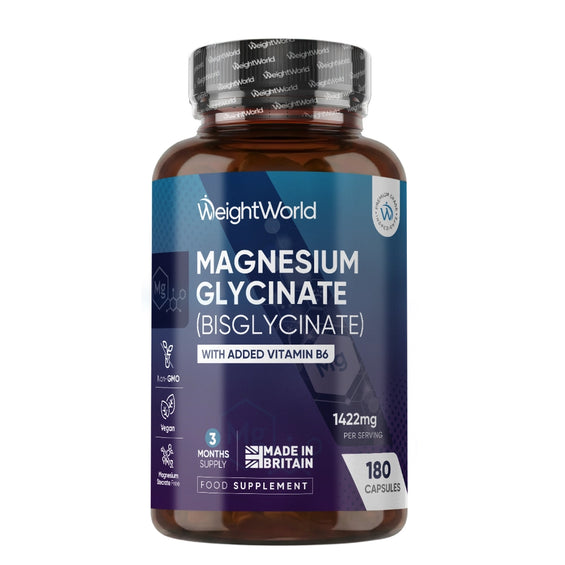
What Is Magnesium Glycinate?
Magnesium glycinate, also called magnesium bisglycinate, is a form of magnesium in which magnesium is bound to glycine. It is often chosen by people who want a supplement that may be gentler on the digestive system than some other forms of magnesium.
Magnesium contributes to normal muscle and nerve function, psychological function, and the reduction of tiredness and fatigue. However, supplements are most beneficial when they help address inadequate dietary intake or a specific nutritional need.
1. Check the Amount of Elemental Magnesium
One of the most important factors when choosing a magnesium glycinate supplement in the UK is the amount of elemental magnesium per serving.
The total weight of magnesium glycinate is not the same as the amount of magnesium it provides. Always check the nutrition or supplement facts panel to understand how much elemental magnesium you will receive from each capsule or serving.
Compare products carefully and follow the manufacturer's recommended serving instructions. More magnesium does not automatically mean better results.
2. Look for High-Quality Ingredients
Choose a supplement with a transparent ingredient list and clearly stated serving size. Ideally, the label should identify the form of magnesium used and disclose any additional ingredients, such as fillers, colourings, or sweeteners.
Products with straightforward formulations can make it easier to understand what you are taking. If you have dietary restrictions, check whether the capsules are suitable for vegetarians or vegans and whether the product contains common allergens.
3. Consider Third-Party Testing
Product quality is another important consideration. Look for manufacturers that provide independent testing or certificates of analysis where available.
In the UK, food supplements should comply with applicable food safety and labelling requirements. However, being sold in the UK does not automatically mean that a supplement has been independently tested for purity or potency.
Choose reputable sellers and be cautious of products making unrealistic health claims or promising instant results.
4. Compare Price and Serving Size
When comparing magnesium glycinate supplements, avoid judging value based only on the price of the bottle. Check the number of servings and the amount of elemental magnesium per serving.
A product with more capsules is not necessarily better value if each serving provides less magnesium. Compare the cost per serving alongside ingredient quality and testing information.
5. Understand Safety and Potential Side Effects
Although magnesium supplements are generally well tolerated when used appropriately, they can cause digestive discomfort, nausea, or diarrhoea in some people.
People with kidney problems should seek medical advice before taking magnesium supplements. Magnesium can also interact with certain medicines, including some antibiotics and osteoporosis medications, so professional guidance may be necessary.
In the UK, the NHS advises adults not to take more than 400 mg of magnesium per day from supplements or magnesium-containing medicines unless advised by a doctor. This limit does not include magnesium naturally present in food.
Conclusion
Choosing the best magnesium glycinate supplement in the UK involves more than selecting a popular brand. Check the elemental magnesium content, ingredient transparency, independent quality testing, serving size, and overall value. Consider your dietary needs and seek professional advice if you have a medical condition or take medication.
By comparing these factors carefully, you can select a suitable magnesium glycinate supplement to complement a balanced diet and support your overall nutritional wellbeing.
