Best Lake District Locations for Winter Photography (Lakes, Mountains & Coast)
Author : Lucas Tomlinson | Published On : 25 Sep 2026
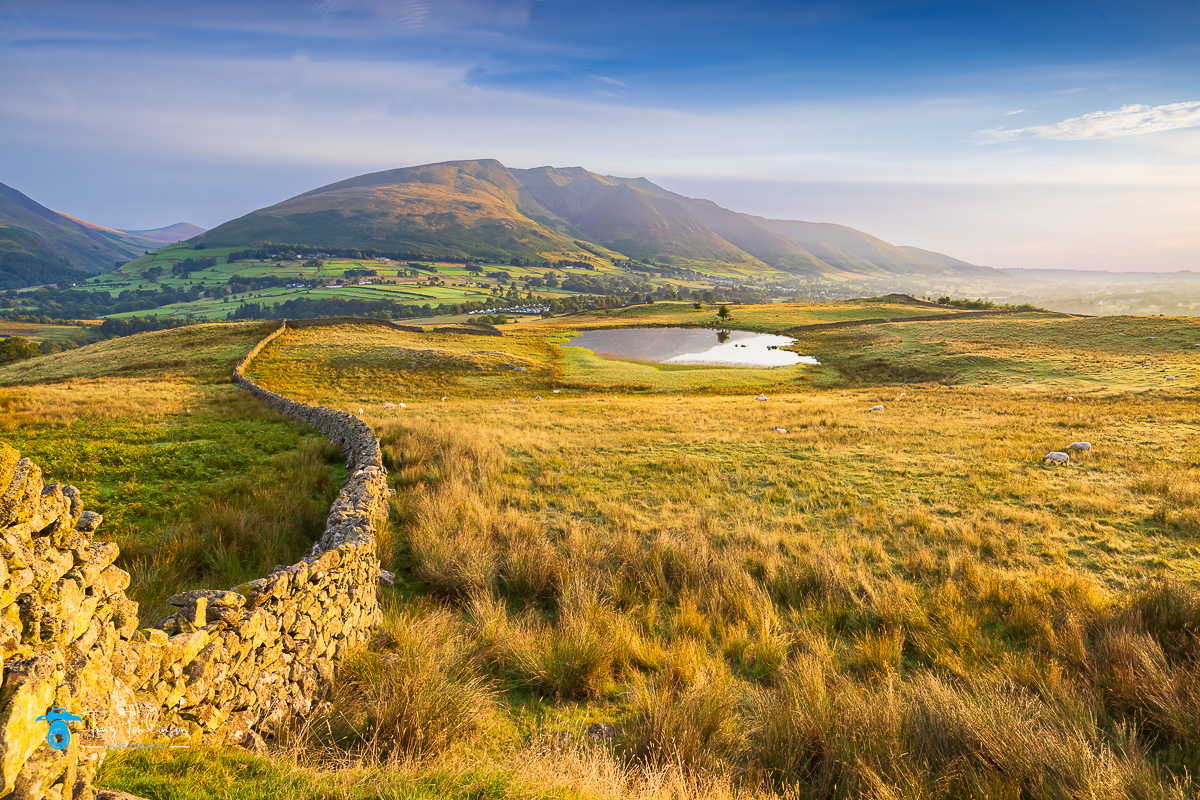
The best Lake District locations for winter photography are Derwentwater and Buttermere for lakes, Blencathra and Helvellyn for mountains, and St Bees and Whitehaven for the coast. Each one gives you a different kind of winter light, so it is worth planning a route that covers all three.
Winter suits Cumbria better than most people expect. The days are short, the sun stays low, and the light turns warm and soft for hours instead of minutes. You also get far fewer visitors, which means clean foregrounds and quiet lakeshores.
Why Should You Plan Your Lake District Winter Photography Trip Early?
Planning early gives you the best chance of catching Lake District winter photography conditions at their peak. Daylight is limited to around seven hours in December, and weather shifts fast, so a rough itinerary saves you from wasting the golden hour. Check mountain forecasts, road closures and sunrise times the night before you head out.
Which Lakes Are Best for Winter Photography?
The best lakes for winter photography are Derwentwater, Buttermere and Ullswater. Derwentwater offers Surprise View and Friar's Crag, Buttermere has a flat, easy path with mirror reflections, and Ullswater gives dramatic mist at dawn. All three are easy to reach and work well in cold, still conditions.
Derwentwater is where youshould start. Local photographershave used Surprise View above the lake for family sessions. The view looks down over the water toward Skiddaw, and on a frosty morning the whole scene turns pink and gold.
Buttermere is the easiest of the three for beginners. The path around the lake is flat and takes about two hours, so you can stop wherever the light looks good. If the water is calm before sunrise, the reflections of Haystacks and High Stile are hard to beat.
Where Can You Shoot Misty Mornings on Ullswater?
Ullswater rewards anyone willing to get up early. Cold air settles over the water on still nights and creates low mist that clears slowly as the sun climbs. Try Glenridding pier or the shoreline near Pooley Bridge, and arrive at least an hour before sunrise so you can set up without rushing.
A tripod matters more than you might think here. Mist tends to soften everything, so you will want a low ISO and a slower shutter speed to keep the fine detail in the ripples. Bring a lens cloth too, because condensation collects on glass faster than you would expect.
What Are the Top Mountains for Winter Photography?
The top mountains for winter photography are Blencathra, Helvellyn and Skiddaw. Blencathra's sharp ridges catch snow beautifully, Helvellyn's Striding Edge makes a dramatic subject, and Skiddaw gives you wide views over Keswick. Only attempt higher routes with proper winter kit, since conditions can change within minutes.
Skiddaw deserves a special mention. You can photograph it from Latrigg, which is a short walk and much safer than the full ascent in icy weather.
Helvellyn is the more serious choice. Striding Edge in winter is a genuine mountaineering route, so unless you have crampons, an ice axe and the skills to use them, photograph it from a safe distance. Catstye Cam and Red Tarn make a lovely composition from the lower slopes.
Where Are the Best Coastal Spots on the Cumbrian Coast?
Coastal work suits Lake District winter photography better than many people assume, because the low sun hits west-facing beaches for much of the afternoon.The best coastal spots are St Bees Head, Whitehaven Harbour and Maryport. St Bees offers red sandstone cliffs and a lighthouse, Whitehaven has historic harbour walls and boats, and Maryport gives you wide beaches with dramatic sunsets over the Solway Firth. Winter tides and storms add real drama to all three.
How Do You Keep Your Gear Safe in Winter?
Cold weather drains batteries quickly, so carry spares in an inside pocket where your body heat keeps them working. Wipe lenses often, wrap your camera in a dry cloth when you move between cold and warm spaces, and pack a headtorch. Good gloves with touchscreen fingertips are worth every penny.
Frozen ground is slippery. Spend a little extra on spiked boots or microspikes, and you will feel far more confident setting up on frosty shorelines. Your camera will thank you, too.
Final Thoughts
Cumbria in winter has lakes, snow-covered fells and storm-lit beaches within a single day's drive. You do not need expensive kit to make the most of it, just good timing, warm layers and a willingness to get up before dawn.
Pick one lake, one mountain viewpoint and one stretch of coast, and give each a full morning or evening. You will come home with a varied set of images and a much better feel for how the light behaves across the region. Wrap up warm, check the forecast twice, and enjoy some of the most peaceful scenery England has to offer.
