Benefits of Play Therapy for Emotional Development
Author : Palisades Counseling | Published On : 13 Oct 2026
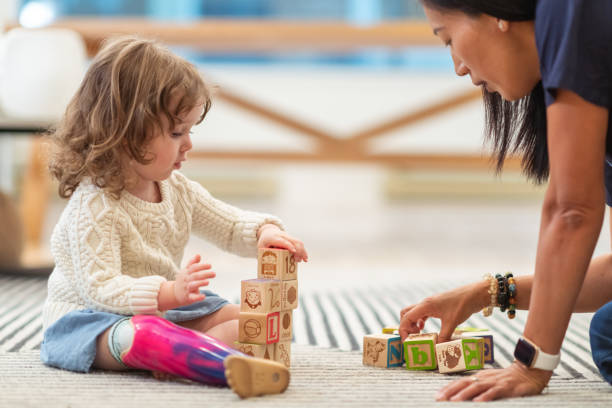
Children experience many emotions as they grow, but they may not always know how to understand or express what they feel. Happiness, sadness, anger, fear, and frustration can sometimes become overwhelming, especially when children do not have the words to explain their experiences. Play therapy provides a supportive way for children to explore these emotions, develop healthy coping skills, and build confidence.
Play is a natural part of childhood. Through toys, games, drawing, storytelling, and imaginative activities, children can communicate their thoughts and feelings in ways that feel comfortable. Play therapy uses these activities to help children understand themselves and learn how to respond to emotional challenges.
Understanding the benefits of play therapy can help parents recognize how this approach supports emotional development and encourages healthy growth.
Understanding Play Therapy
Play therapy is a therapeutic approach that allows children to express themselves through play while working with a trained therapist. Instead of relying only on conversation, the therapist uses age-appropriate activities to help children explore their feelings, experiences, and concerns.
Younger children may find it difficult to explain why they feel worried, angry, or sad. Through play, they can show their experiences using toys, dolls, building blocks, art materials, and pretend situations.
For example, a child may use toy figures to act out a disagreement or create a story about someone who feels lonely. These activities can provide opportunities for the therapist to understand the child's concerns and encourage healthy emotional expression.
Play therapy is adapted to each child's needs, personality, and developmental stage. The goal is to create a safe environment where children feel accepted and supported while learning important emotional skills.
Helping Children Recognize Their Emotions
One of the main benefits of play therapy is that it helps children identify and understand their emotions. Children may experience strong feelings without knowing what those feelings mean or how to describe them.
During play therapy, children can explore different emotions through stories, pictures, games, and pretend activities. A therapist may help them recognize the difference between feeling disappointed, frustrated, nervous, or sad.
Learning to identify emotions helps children better understand their reactions. For example, a child who becomes upset when a game does not go as planned may gradually recognize that the feeling comes from frustration rather than simply believing that everything is going wrong.
This awareness can help children communicate their needs more clearly. Instead of reacting immediately, they may begin to explain what is bothering them and ask for help when necessary.
As children become more familiar with their emotions, they can develop a stronger understanding of themselves and their responses to everyday situations.
Improving Emotional Expression
Children do not always have the language or confidence needed to discuss difficult experiences. Some may become quiet, while others may express their feelings through anger, crying, or challenging behavior.
Play therapy gives children different ways to communicate without requiring them to explain everything verbally. Drawing, painting, storytelling, and imaginative games can help them share thoughts that might otherwise remain unspoken.
A child who feels nervous about making friends may create a story about a character who struggles to join a group. Another child may use art to represent feelings that are difficult to describe.
The therapist can gently encourage the child to explore these experiences while respecting their comfort level.
Learning to express emotions in healthy ways can reduce misunderstandings and help children build stronger relationships. It also teaches them that feelings can be shared safely and that asking for support is a positive step.
Building Healthy Coping Skills
Children face many situations that can create emotional stress, including changes in routines, school difficulties, friendship problems, and family challenges. Without suitable coping skills, these experiences may feel overwhelming.
Play therapy helps children practice ways to manage difficult emotions. Through guided activities, they may learn calming techniques, problem-solving strategies, and methods for responding to frustration.
For example, a therapist might introduce slow breathing through a playful activity or help a child practice taking a break when feeling overwhelmed. Games can also teach patience, flexibility, and how to handle disappointment.
These skills become more useful when children practice them regularly. Over time, they may become better able to pause before reacting, consider different solutions, and recover from stressful experiences.
Healthy coping skills do not eliminate difficult emotions. Instead, they help children respond to those emotions in ways that support their well-being and relationships.
Developing Confidence and Self-Esteem
Emotional development is closely connected to a child's confidence. When children believe their feelings are understood and their efforts are valued, they may feel more comfortable exploring new experiences and expressing their needs.
Play therapy creates opportunities for children to make choices, solve problems, and try different approaches in a supportive environment. Activities that encourage creativity and independent thinking can help children recognize their abilities.
A child who feels uncertain about making decisions may gain confidence by choosing materials for an activity or deciding how a story should end. Completing a challenging task can also provide a sense of achievement.
The therapist can recognize the child's efforts and encourage persistence without placing pressure on perfection.
As confidence grows, children may become more willing to participate in activities, communicate with others, and handle unfamiliar situations. This growing sense of self-worth can support emotional well-being both during childhood and as they mature.
Strengthening Social and Communication Skills
Children learn many important social skills through interaction with others. They need opportunities to practice sharing, listening, cooperating, understanding different perspectives, and resolving disagreements.
Play therapy can support these skills through role-playing, cooperative games, and pretend situations. Children may practice asking for help, expressing disagreement respectfully, or considering how another person might feel.
For example, a therapist may use a story about two characters who want the same toy to explore sharing and conflict resolution. The child can consider different solutions and learn that disagreements can be handled without aggression.
These experiences help children understand the connection between their actions and the feelings of others.
Improved communication can also make family relationships and friendships more positive. When children learn to express their needs clearly and listen to others, they have more opportunities to develop trust and meaningful connections.
Supporting Children Through Difficult Experiences
Some children struggle emotionally after experiencing major changes or stressful events. Family transitions, bullying, loss, and frightening experiences may affect their sense of security and ability to manage emotions.
Play therapy offers a gentle way for children to explore these experiences at a pace that feels manageable. They may communicate through stories, drawings, or pretend play rather than discussing difficult events directly.
The therapist helps create an environment where the child can feel heard and supported without being forced to share more than they are ready to discuss.
This approach can help children process their experiences, understand their reactions, and develop healthier ways to cope with uncertainty or distress.
Every child responds differently to difficult situations, so therapy is tailored to individual needs. Progress may happen gradually as the child builds trust and develops new skills.
The Role of Parents in Emotional Development
Parents play an important role in reinforcing the skills children develop during play therapy. Consistent encouragement and understanding at home can help children feel safe expressing their emotions.
Parents can support emotional growth by listening without judgment, acknowledging feelings, and helping children find words for their experiences. They can also encourage creative activities, pretend play, and conversations about emotions during everyday routines.
For families seeking professional guidance, a Child Therapist Utah County can help identify suitable play therapy approaches and support children's emotional development. Depending on the child's needs, parents may also receive suggestions for reinforcing coping skills and healthy communication at home.
Working together helps create a supportive environment in which children can practice emotional skills in familiar situations.
Conclusion
Play therapy offers many benefits for children's emotional development. It helps children recognize their feelings, communicate more effectively, develop healthy coping skills, strengthen confidence, and improve their relationships with others.
Through play, children can explore difficult experiences in a supportive environment while learning practical ways to manage everyday challenges. The process respects each child's individual needs and allows emotional growth to happen at a comfortable pace.
With support from parents and qualified professionals, children can develop a stronger understanding of their emotions and build skills that help them navigate relationships and life changes with greater confidence.
