Bagasse Tableware Manufacturer: Procurement Tests
Author : wei yi | Published On : 04 Nov 2026
An empty clamshell can feel sturdy but soften under hot, oily food. Test the intended meal and delivery hold time when assessing a bagasse tableware manufacturer.
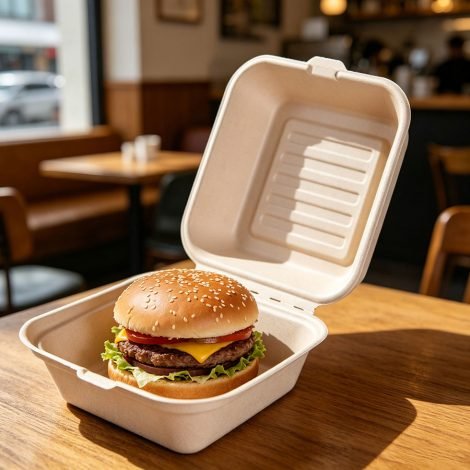
Match plate, bowl or clamshell geometry to the actual meal and serving temperature. A dry sample may feel stiff but soften when exposed to hot oily food for a long holding period. Test hot and oily foods separately because performance depends on formulation and finish. The lid should close after the container is filled and moved, not just when the empty sample sits on a bench. Check lid closure after stacking and transport, not just when a clean sample is empty.
Measure wall thickness and rim consistency across more than one production lot. Coatings and additives vary, so compostability or food-contact claims need evidence tied to the chosen construction. Review food-contact declarations for the country of sale and exact product construction. Ask what compostability claims mean under the target jurisdiction's recognised test method. Local waste systems may not accept a fibre article merely because marketing calls it biodegradable.
Compare coatings and additives rather than assuming every natural-fibre product behaves alike. Run a leak test with the intended sauce and realistic holding time. Check dimensional consistency across mould cavities before running a restaurant packing line. Check carton compression under pallet loading and humidity in transit. Confirm mould tooling, private-label packing and dimensional tolerance before bulk order. Humid shipping and tall pallet stacks can damage rim shape well before the boxes reach the end customer. Keep records of test results and approved samples for quality disputes.
