Autonomous Systems in Defense: Strategies for Future
Author : Alyssa Miller | Published On : 02 Mar 2026
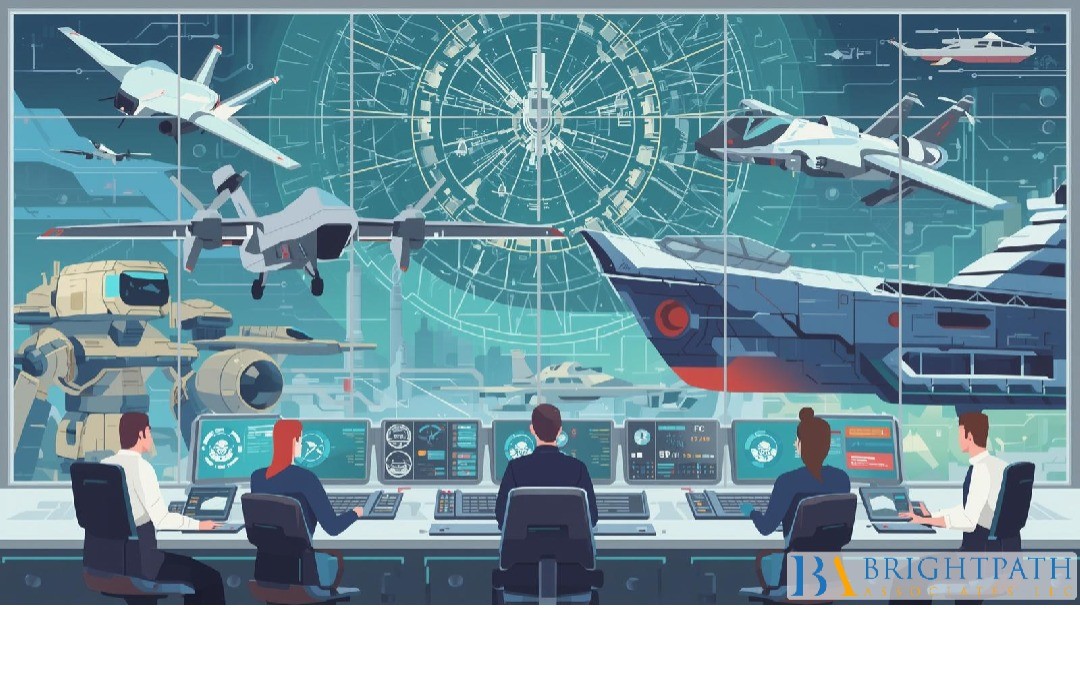
Modern defense strategy is undergoing one of the most dynamic transformations in history. As geopolitical tensions persist and technology evolves rapidly, nations are investing heavily in autonomous systems — platforms that can sense, think, and act with limited or no human intervention. These systems are reshaping how militaries operate across land, air, sea, cyber, and space domains, promising to redefine power projection, warfighting effectiveness, and strategic deterrence in the decades ahead.
For small to mid-sized enterprises in the defense and space industry, understanding these trends is not only vital for technology adoption but also for leadership strategy, operational planning, and workforce development. At BrightPath Associates LLC, we partner with companies that are navigating this evolution, helping them recruit leadership who can bridge technological innovation with mission realities. Before diving deeper, you can explore more about Defense & Space Industry landscape.
Strategic Imperative Behind Autonomy
Autonomous defense systems are not merely technological novelties — they are strategic assets with the potential to deliver unmatched operational advantages. These systems leverage cutting-edge artificial intelligence (AI), machine learning, sensor fusion, and advanced control algorithms to operate at speeds and scales unattainable by human operators alone. This isn’t simply a step forward — it represents a paradigm shift in military capability.
From autonomous aerial vehicles capable of coordinated swarm operations to unmanned naval and ground vehicles optimized for high-risk environments, these platforms can conduct intelligence, surveillance, reconnaissance (ISR), logistics, and even strike missions with unprecedented autonomy. The key drivers of this transformation include:
-
Increased Operational Speed: Autonomy enables rapid decision cycles that are faster than human reaction times — critical in contested or denied environments.
-
Reduced Risk to Personnel: Uninhabited systems can perform dangerous missions without placing soldiers directly in harm’s way.
-
Cost Efficiency and Scalability: Many autonomous platforms are less expensive to build and operate than traditional equivalents, enabling militaries to deploy larger quantities with lower sustainment costs.
These strategic advantages are driving global defense efforts toward pervasive autonomy — not just in hardware but in mission planning, data integration, and decision support.
How Autonomous Systems Operate Across Domains
1. Air Domain Innovations
Perhaps the most visible application of autonomous systems in defense is aerial platforms. Modern autonomous aircraft extend far beyond traditional drones, incorporating advanced navigation, target recognition, and collaborative mission behavior. Programs like DARPA’s ACE (Air Combat Evolution) illustrate how autonomous fighters can engage in combat scenarios without direct human input, pushing the boundaries of what uncrewed aircraft can achieve.
From swarm drones that can overwhelm enemy defenses to autonomous ISR (Intelligence, Surveillance, Reconnaissance) networks that continuously gather battlefield data, these systems are redefining air operations.
2. Maritime & Underwater Systems
On and below the seas, autonomy is driving innovations in unmanned surface vessels (USVs) and unmanned underwater vehicles (UUVs). These systems serve roles ranging from mine detection and underwater reconnaissance to networked surveillance operations. The U.S. Navy and allied partners are investing in programs that enable persistent presence in critical waterways with minimal human oversight.
3. Ground & Hybrid Platforms
Autonomous ground systems are evolving rapidly, with platforms capable of navigating rugged terrain, supporting logistics, and providing tactical support. Innovations such as autonomous turrets and robotic logistics systems save lives by removing soldiers from hazardous tasks while maintaining battlefield effectiveness.
4. Space Defense Networks
Space — the newest contested domain — is also witnessing autonomous innovation. Autonomous space surveillance systems and automated defensive networks can continuously monitor satellite assets and react to threats without real-time human intervention. These capabilities extend strategic resilience and decision-making into orbit, where communication latency and complexity pose unique challenges.
Human-Machine Collaboration: The Future Rather Than Replacement
A common misconception is that autonomous systems will entirely replace human decision-makers on the battlefield. In reality, the emphasis remains on human-machine teaming — where humans retain strategic oversight while autonomous systems handle routine, repetitive, or high-risk tasks. This collaborative model ensures:
-
Enhanced Situational Awareness: AI augments human cognition by fusing sensor data into cohesive battlefield pictures.
-
Decision Support: Automated analysis provides commanders with predictions, risk assessments, and recommended courses of action at machine speeds.
-
Operational Oversight: Humans still define mission goals and constraints while autonomous systems execute within those parameters.
This balance between autonomy and human command safeguards ethical and legal oversight while maximizing operational effectiveness.
Strategic Leadership: The Competitive Edge
The successful integration of autonomous systems in defense isn’t only about technology — it’s also about leadership strategy. Visionary executives who understand both the technological landscape and the defense ecosystem are pivotal. This includes leaders capable of navigating regulatory complexities, driving cross-functional innovation, and aligning talent with mission priorities.
At BrightPath Associates, we recognize that strategic executive recruitment is as crucial as technological investment in securing competitive advantage in the defense and space market. Leaders who can translate autonomous potential into operational readiness are in high demand — and that demand is only growing.
For a deeper dive into the original research and perspectives on autonomous systems, revisit the foundational Autonomous Systems in Defense: Strategies for Future article.
Conclusion: A Future Defined by Autonomy and Strategic Insight
Autonomous systems are not a distant possibility — they are becoming central to defense strategies worldwide. From aerial swarms to underwater vessels, from space defense networks to cyber battlespaces, autonomy is empowering militaries with speed, resilience, and strategic depth.
For small to mid-sized defense and space enterprises, staying ahead in this evolving landscape means not just adopting the technology, but also building leadership teams ready to lead through complexity and change.
