Automated Procurement: Reducing Waste in Farm Input Purchasing
Author : Alex Turner | Published On : 22 Jul 2026
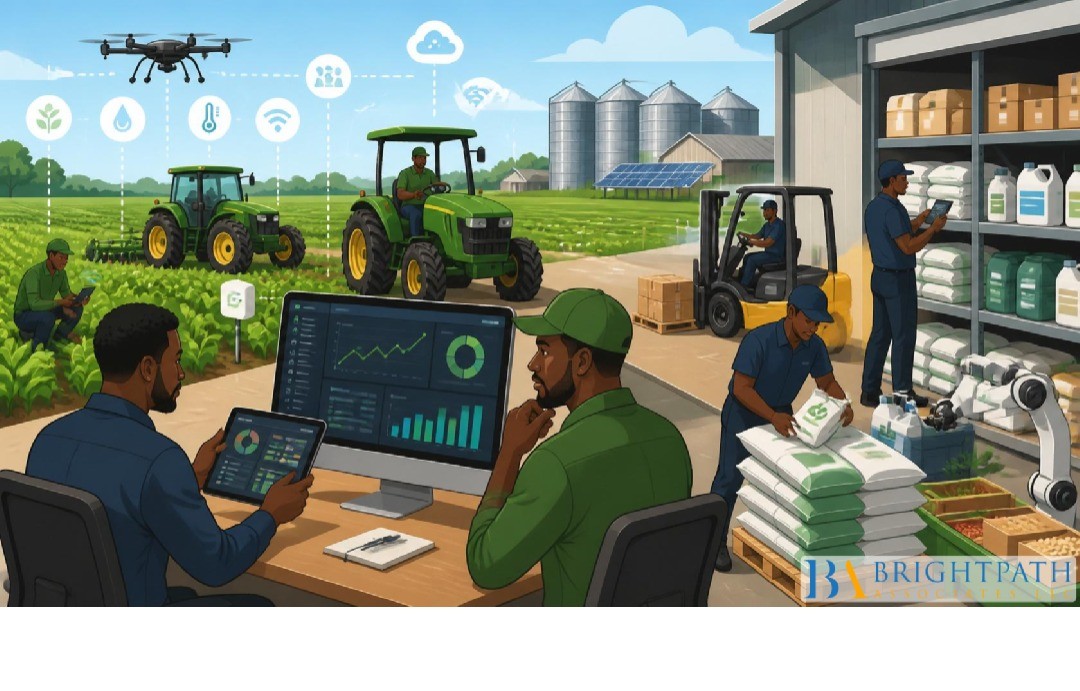
Modern agriculture has become increasingly data-driven, yet one area continues to create unnecessary costs for many farming businesses: procurement. Every planting season, farms invest heavily in seeds, fertilizers, crop protection products, fuel, irrigation supplies, and equipment. When these purchases are managed through manual processes, disconnected spreadsheets, or reactive decision-making, organizations often face overordering, inventory shortages, duplicate purchases, and higher operational expenses. As margins become tighter and supply chains more complex, small and mid-sized agricultural enterprises are recognizing that procurement is no longer just an administrative function—it is a strategic driver of profitability. Automated procurement systems are helping farms purchase the right inputs at the right time, in the right quantities, while reducing waste across the entire operation. Industry research shows that procurement automation improves purchasing efficiency, enhances supplier management, reduces manual errors, and supports better business decisions through data-driven insights.
Procurement automation goes far beyond replacing paperwork with digital forms. It creates an intelligent purchasing ecosystem where inventory levels, historical consumption, seasonal demand, supplier performance, pricing trends, and budget controls work together to guide purchasing decisions. Instead of relying on estimates or last-minute ordering, farm managers gain real-time visibility into inventory and spending patterns, enabling them to purchase only what is required. This minimizes excess inventory while ensuring critical farm inputs remain available during key planting and harvesting periods. The result is improved cash flow, lower storage costs, and greater operational efficiency throughout the production cycle.
One of the biggest advantages of automated procurement is its ability to reduce waste caused by inaccurate forecasting. Agricultural production depends on numerous variables, including weather conditions, crop rotation, market demand, and seasonal changes. Manual purchasing methods often struggle to account for these variables, leading to excess fertilizer, unused chemicals, expired products, or emergency purchases at premium prices. Modern procurement platforms analyze historical purchasing patterns alongside operational data to forecast future requirements with much greater accuracy. This allows organizations to optimize purchasing schedules while avoiding both shortages and unnecessary inventory accumulation.
Supplier management also becomes significantly more effective through automation. Many agricultural businesses work with multiple vendors providing seeds, fertilizers, pesticides, irrigation systems, machinery components, and packaging materials. Tracking supplier performance manually can be time-consuming and inconsistent. Automated procurement systems maintain centralized supplier records, monitor pricing history, evaluate delivery performance, and simplify contract management. Better supplier visibility enables procurement teams to negotiate stronger agreements, identify cost-saving opportunities, and build more reliable long-term partnerships. These capabilities help organizations improve purchasing consistency while strengthening supply chain resilience.
Digital technologies are further transforming procurement by integrating artificial intelligence and predictive analytics into purchasing decisions. AI-powered procurement platforms can identify unusual spending patterns, recommend preferred suppliers, automate purchase approvals, and anticipate future inventory requirements based on operational trends. Rather than replacing procurement professionals, these technologies eliminate repetitive administrative work so teams can focus on strategic sourcing, supplier relationships, and long-term planning. Organizations that combine automation with human expertise are often better positioned to control costs while responding quickly to changing market conditions.
Automation also plays a critical role in improving financial control and governance. Every procurement decision generates valuable operational data that can be used to monitor budgets, identify unnecessary expenditures, and evaluate purchasing efficiency. Digital approval workflows ensure purchasing policies are followed consistently while creating transparent audit trails for every transaction. This level of visibility reduces the risk of duplicate orders, unauthorized purchases, and costly manual errors. For growing agricultural businesses, standardized procurement processes improve accountability while providing leadership teams with the information needed to make faster, more informed decisions.
Sustainability is another important benefit of automated procurement. Purchasing only the necessary quantities of agricultural inputs reduces excess inventory that may eventually become unusable or expire. Better forecasting also supports more efficient application of fertilizers, crop protection products, and irrigation resources, minimizing environmental impact while lowering operating costs. As sustainability expectations continue to rise among customers, investors, and regulators, reducing procurement waste contributes directly to both environmental responsibility and long-term business performance. Digital agriculture continues to demonstrate how technology can improve productivity while supporting resource conservation and operational resilience.
Small and mid-sized agricultural enterprises are particularly well positioned to benefit from procurement automation because of their operational flexibility. Unlike large organizations with highly complex purchasing structures, SMEs can implement modern procurement solutions more rapidly and adapt workflows as their businesses grow. Cloud-based procurement platforms make advanced purchasing capabilities accessible without requiring significant infrastructure investments, allowing organizations to modernize operations while maintaining financial flexibility. Early adopters often gain competitive advantages through improved cost management, faster purchasing cycles, and stronger supplier relationships.
Technology alone, however, cannot transform procurement. Successful implementation depends on skilled professionals capable of managing procurement strategy, supply chain operations, financial planning, inventory optimization, and digital transformation initiatives. As agricultural operations become increasingly sophisticated, organizations need leaders who understand both modern farming practices and advanced business technologies. Building these capabilities requires access to experienced professionals who can align procurement strategies with broader operational objectives. Companies seeking specialized talent and workforce expertise within modern agriculture can explore BrightPath Associates' Farming industry solutions.
As agriculture continues embracing precision farming, automation, and digital transformation, procurement will become even more strategic. Organizations that integrate purchasing with production planning, inventory management, financial analytics, and supplier collaboration will be better equipped to respond to market volatility while maintaining operational efficiency. Automated procurement not only reduces waste but also improves decision-making, strengthens supply chain resilience, and creates opportunities for sustainable growth. Businesses that continue relying on fragmented manual processes risk falling behind competitors that are leveraging digital tools to optimize every stage of farm operations.
For a deeper exploration of how automation is transforming agricultural purchasing and helping farms reduce waste while improving operational performance, read BrightPath Associates' detailed blog, Automated Procurement: Reducing Waste in Farm Input Purchasing.
Ultimately, the future of agricultural procurement is not simply about purchasing supplies more quickly—it is about purchasing more intelligently. Farms that embrace automation, data-driven planning, and strategic supplier management will be better positioned to improve profitability, strengthen sustainability, and remain competitive in an increasingly dynamic agricultural marketplace.
