Audit Readiness in 2026: Why Every Importer Needs an Always-On Tariff Audit System
Author : Gaia Dynamics | Published On : 14 May 2026
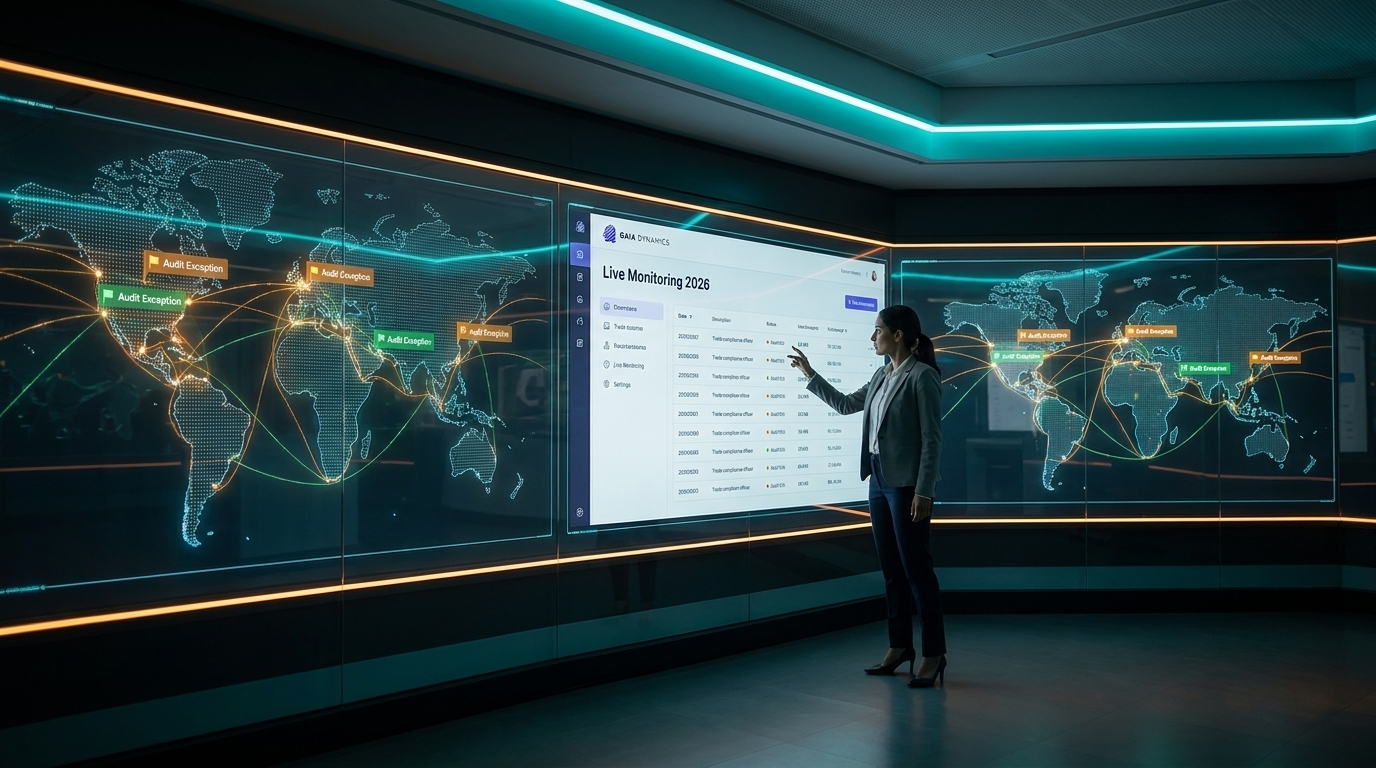
You can usually feel the difference between an importer running a periodic audit cycle and one running continuous audit readiness within an hour of looking at their entry data. The periodic auditor reviews entries quarterly or annually, finds issues, files protests when possible, and otherwise lets the work go quiet between cycles. The continuous auditor has live monitoring against current rules, exception flags that surface in real time, and a documentation trail that makes any inquiry from CBP straightforward to answer.
Both approaches produce some level of audit readiness. The continuous approach produces a different operational posture: fewer surprises, smaller exposures when issues do surface, and substantially less stress when CBP actually shows up. The shift from periodic to continuous is one of the more meaningful operational changes available to importers right now.
What changed in 2026
The post-Supreme-Court tariff regime that emerged in early 2026 is genuinely different from what existed in 2024 or 2025. The IEEPA-based duties got struck down. Section 122 surcharges replaced them on a different legal basis. Section 232 sectoral tariffs continued unchanged. Section 301 measures stayed in place but with their own evolving exclusion lists. Anti-dumping and countervailing duty cases continued with their own administrative rhythms.
The cumulative effect for importers is that the rules underpinning duty calculation have been shifting frequently and on relatively short notice. An audit posture that worked under one regime may not catch issues under the next. The regulatory volatility has made continuous monitoring more valuable than periodic reviews simply because the rules have been moving faster than periodic cycles can keep up with.
What "always-on" actually means
An always-on tariff audit system isn't a single tool. It's a combination of capabilities working continuously rather than as discrete projects:
- Real-time monitoring of regulatory changes affecting duty calculation
- Continuous review of entries against current rules, with exceptions flagged as they occur
- Documentation trails that capture the basis for each entry's classification and calculation
- Protest deadline tracking so opportunities to recover overpayments don't lapse
- Reporting that surfaces patterns across entries rather than treating each in isolation
A purpose-built tariff audit software for importers handles these capabilities as part of the operational workflow rather than as periodic projects. The investment is real but smaller than the cost of running periodic audits at sufficient depth to catch the same issues.
Where periodic audits keep failing in 2026
The periodic audit model has several failure modes that 2026 conditions amplify:
- Lag between regulatory change and detection. A quarterly audit catches issues that arose during the past quarter, often after they should have been caught.
- Protest deadline exposure. The 180-day protest window from liquidation is unforgiving. Quarterly audits often surface opportunities too late to act on.
- Pattern recognition delays. Systematic issues across many entries become visible only when enough accumulate. Continuous audit catches the pattern earlier.
- Documentation gaps. If documentation isn't captured at entry, recreating it during periodic audit is harder than maintaining it continuously.
The compounding value of continuous documentation
The documentation case for always-on audit systems is sometimes underrated. Each entry should have a contemporaneous record of:
- The HTS code used and the basis for selecting it
- Country of origin determination and supporting evidence
- Customs value calculation and any adjustments applied
- Trade remedy measures considered and applicability analysis
- Any exemptions, exclusions, or preferences claimed and supporting documentation
When these records are captured continuously, audit defense is straightforward. When they're not captured and have to be reconstructed, defense becomes much harder, and the gaps in documentation often become the basis for adverse findings even when the underlying classification or calculation was correct.
A reliable customs tariff audit platform preserves this documentation as part of normal entry processing. The audit trail exists by default, not as a separate documentation exercise that competes with operational priorities.
What CBP audits actually look like
CBP audits in 2026 generally start with focused requests for specific entries or specific categories. The agency identifies entries that fit patterns of concern (high volume of Section 301 imports, frequent classification changes, anomalous duty calculations) and requests documentation supporting them.
The importer who can produce documentation immediately, showing the contemporaneous reasoning for each entry, has a much stronger position than one who has to reconstruct the analysis from scratch. The audits don't usually expand if the initial documentation is solid; they tend to expand when documentation is weak because weak documentation suggests deeper issues.
The importers who survive audits well aren't necessarily the ones who got everything perfectly right. They're the ones who can show that their decisions were reasonable based on the information available at the time, supported by contemporaneous documentation. That's a posture that requires continuous documentation, not periodic reconstruction.
How small importers can afford continuous audit
The cost of always-on audit systems used to be prohibitive for smaller importers. The economics have shifted. Modern audit platforms operate on subscription models with rapid implementation. Smaller importers can be operational in weeks at costs that fit reasonable compliance budgets.
The ROI for small importers is often higher than for large ones because the audit recoveries represent a larger percentage of their duty base.
What the next 18 months are likely to require
US trade policy suggests continued volatility through 2026 and 2027. A few patterns seem likely:
- Continued evolution of Section 122 surcharge structure and carveouts
- Ongoing changes to Section 301 exclusion lists
- Periodic ADD/CVD developments
- Continued enforcement focus on country of origin issues
- Possible new tariff actions in specific sectors
Importers with continuous audit infrastructure handle each of these without major disruption. Importers running periodic models experience each as a discrete event requiring crash response.
What this looks like operationally
Compliance teams running always-on audit don't look different from those running periodic audit in size or skills. What's different is how time gets spent. Less volumetric review of past entries. More policy analysis, complex case work, and strategic decisions about regulatory shifts. The work is closer to legal advisory than clerical compliance.
