Are Wagon Strollers Safe for Toddlers and Babies? What Parents Need to Know
Author : Out 'n' About . | Published On : 08 Jun 2026
Every parent wants to make confident, informed choices when it comes to their child's safety. As kids wagon strollers have grown in popularity among families who love outdoor adventures and group outings, one question keeps coming up: are they actually safe for toddlers and newborns? The short answer is yes, when used correctly and with the right product, a wagon stroller can be a safe, practical, and enjoyable ride for children of all ages. But there are important things every parent needs to understand before strapping their little ones in.
What Makes a Kids Wagon Safe in the First Place?
Not all wagons ar built the same. A purpose-built kids wagon stroller unlike a basic garden wagon is engineered with child safety at its core. High-quality models are designed with multi-point harness systems, structured seating, and sturdy frames that meet or exceed safety certification standards.
When evaluating any kids wagon for safety, look for:
- Five-point safety harnesses on every seat
- Stable, wide-base frames that resist tipping
- Lockable front swivel wheels for controlled steering
- Air-filled tyres that absorb bumps rather than transfer shock to passengers
- A certified maximum load capacity clearly stated by the manufacturer
A well-designed wagon stroller like the Out 'n' About Nipper Wagon features removable padded seats with harnesses, a robust frame, and 12-inch rear air-filled tyres all designed to keep children secure whether you are pushing through a park or pulling along a beach path.
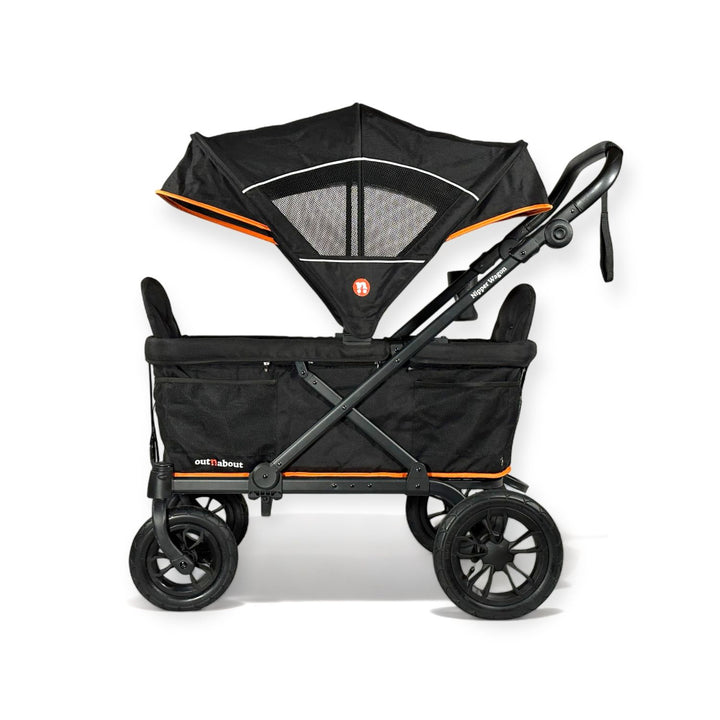
Is a Wagon Stroller Safe for Newborns?
This is one of the most common concerns parents have, and it deserves a clear, honest answer. Many wagon strollers are not designed for newborns from day one, and it is important to respect that guidance.
What to Look for if You Have a Baby
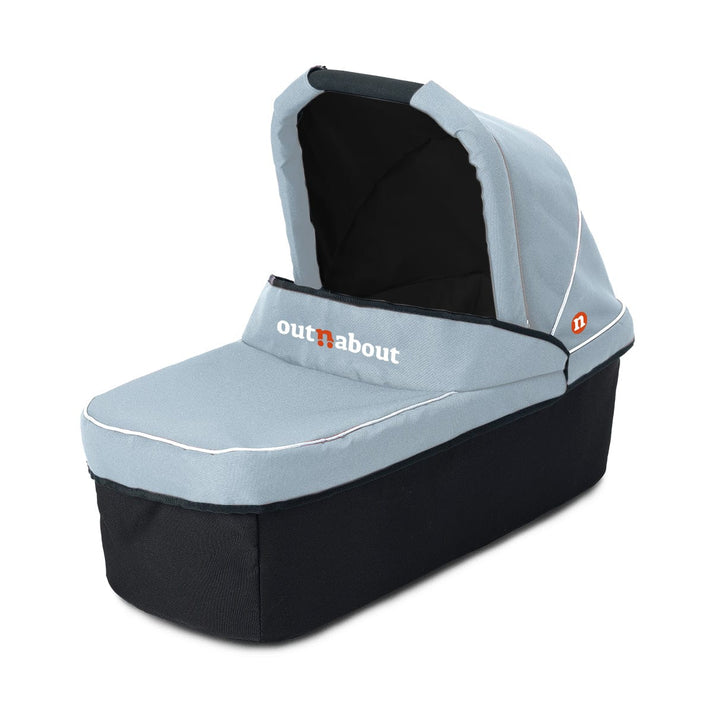
For parents of very young infants, a double stroller or newborn pram with a fully flat lie-back position and a compatible carrycot is typically the safest option. A newborn pram is specifically engineered for the delicate posture and head support requirements of infants under six months.
However, some premium kids wagon strollers can accommodate newborns through specific configurations. The Out 'n' About Nipper Wagon, for example, allows a fully flat interior for newborn use and is compatible with a parent-facing car seat adaptor, making it suitable from birth to approximately seven years of age with a combined load capacity of 60 kg. Always check the manufacturer's minimum age and weight guidance before using any wagon stroller with a baby.
Head and Neck Support
Newborns cannot hold their heads upright independently. Any wagon used with an infant must ensure the child is either fully reclined in a flat position or secured in a properly fitted infant car seat. Never place a baby in an upright wagon seat without the correct support structure in place.
Double Stroller vs. Double Buggy vs. Wagon Stroller: Understanding the Safety Differences
Parents of multiple children often compare a double stroller, a double buggy, and a kids wagon stroller before making a purchase. Each has its own safety profile worth understanding.
Double Stroller and Double Buggy
A double buggy, the traditional side-by-side pushchair, is purpose-built for two children and typically offers excellent newborn compatibility, especially when paired with carrycots or infant inserts. It performs best on smooth pavements and urban environments. Weight distribution is well-centred, making tipping less likely on flat ground.
A double stroller in the tandem configuration positions one child behind the other. While it is narrower than a side-by-side model, some parents find it harder to manage on uneven terrain.
Kids Wagon Stroller
A kids wagon stroller like the Nipper Wagon occupies a unique middle ground. It seats two children comfortably or up to four with optional accessories handles varied terrain with air-filled tyres, and offers both push and pull operation. Its wide, stable base makes it less prone to toppling when properly loaded. However, wagon strollers are generally heavier than traditional pushchairs, which can affect manoeuvrability on steep slopes.
The key safety takeaway: match the product to your environment and your child's developmental stage. A double buggy may be better for a newborn in the early months, while a wagon stroller becomes an ideal companion as children grow into toddlers.
Key Safety Rules Every Parent Should Follow
Even with a top-quality kids wagon stroller, safety depends on how it is used. Here are the most important guidelines to keep in mind:
Always Use the Harness
Every child riding in a wagon stroller must be properly secured with their harness buckled and adjusted snugly. A harness that is too loose can allow a child to slide, lean out, or fall if the wagon hits a bump or changes direction suddenly.
Never Exceed the Weight Limit
Every wagon stroller comes with a maximum total load capacity. Overloading a wagon even by a small margin can compromise frame stability and wheel integrity. Always account for children's combined weight plus any gear stored inside the wagon.
Choose Terrain Thoughtfully
Wagon strollers with air-filled tyres handle grass, gravel, and gentle slopes well, but they are not designed for steep inclines, jogging, or rough off-road trails. If you are on a sloped path, always push from behind rather than pulling from the front to maintain better control.
Keep Children Seated While Moving
Children should remain seated with harnesses on at all times while the wagon is in motion. Encourage children not to stand, lean over the sides, or try to climb out while the wagon is moving.
Inspect Your Wagon Regularly
Check tyre pressure, wheel locks, harness buckles, and frame connections before each outing. Air-filled tyres can lose pressure over time, which affects both comfort and handling.
Weather Safety: Sun, Rain, and Wind
Outdoor adventures come with changing weather, and protecting children from the elements is part of overall wagon safety.
Most quality kids wagon strollers include an extendable UV canopy or sun visor to shield children from direct sunlight. A raincover is also an essential accessory look for wagons that include one as standard rather than as an expensive add-on. The Out 'n' About Nipper Wagon comes with a raincover included in the base price, ensuring children stay dry without parents needing to purchase extras.
On hot days, check that children are not overheating under the canopy. On windy days, ensure the wagon's brake is engaged whenever you stop, as wind can cause an unoccupied or lightly loaded wagon to roll.
A Note on Age and Independence
As children grow, a wagon stroller evolves from a safety-critical transport tool into a fun family accessory. Toddlers between 18 months and 3 years are typically the sweet spot for wagon stroller use old enough to sit upright and enjoy the ride, young enough to still need assistance on longer outings.
By age five or six, many children can climb in and out independently, but parental supervision remains important. Some wagon strollers support children up to around seven years of age, making them a genuinely long-lasting family investment.
Final Thoughts
A kids wagon stroller is a safe, versatile, and enjoyable way to transport young children, provided you choose a well-engineered product and use it according to the manufacturer's guidelines. For families with newborns, consider pairing a wagon stroller with a dedicated newborn pram in the earliest months and then transitioning to the wagon as your baby develops. For families with toddlers or multiple children, a wagon stroller can comfortably replace both a double stroller and a double buggy for many everyday adventures.
