Are Clay Flooring Tiles Really Worth It for Your Home?
Author : Susan Armadale | Published On : 12 Nov 2026
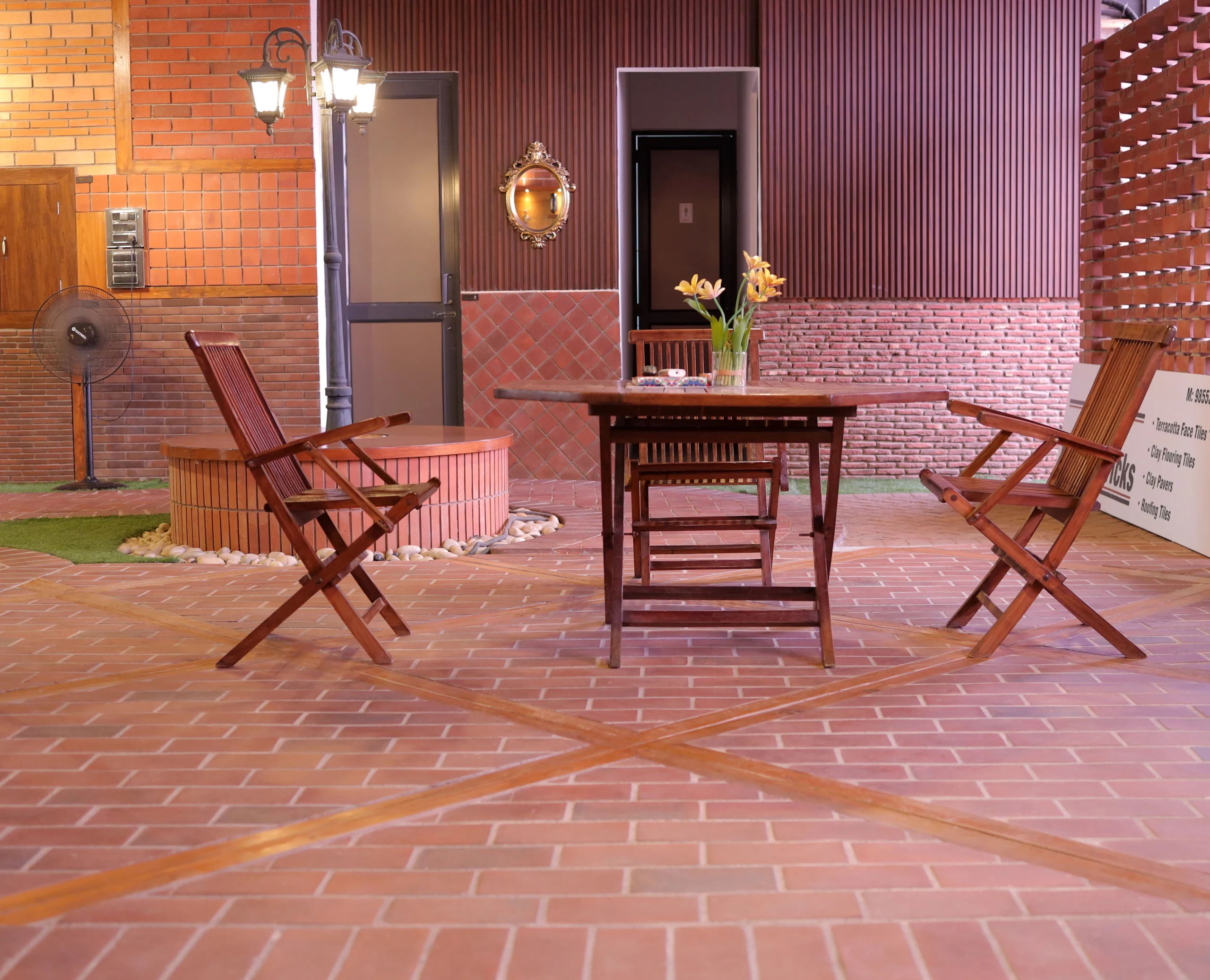
Let's start simple. Clay flooring tiles are made from natural clay that's shaped, dried and fired in a kiln until it turns hard. That's it. No fancy chemistry, no mystery. People have been walking on fired clay for thousands of years, and honestly, that tells you something. If a floor survives that long, it's probably doing something right. Most homeowners don't think about this stuff until they're standing in a showroom, staring at forty samples, feeling a bit lost. So I figured I'd break it down the way I'd explain it over a coffee.
Why Clay Has Stuck Around So Long
Here's the thing about clay. It's earth, basically. It doesn't pretend to be anything else, and I think that's why it keeps coming back into fashion. Trends change, sure, but warm natural material never really goes out of style. Think of old farmhouses in Spain or Italy, those worn terracotta floors that look better at eighty years than at day one. Nobody's ripping those out. They've got character, real character, not the printed-on kind. And that's what a lot of people are chasing right now, something with a bit of soul.
Antique Brick Tiles and That Lived-In Look
Now, if you want the aged feel without hunting down salvaged bricks, antique brick tiles are the shortcut. They're thin slices or reclaimed-style pieces that give you that old street, old warehouse, old cottage vibe. Slightly uneven edges, colour that shifts from piece to piece, a bit of smoky tone here and there. It's the imperfection that sells it. Perfectly uniform tiles can feel a little flat, almost sterile. These don't. They look like they've got a past, and your room suddenly feels like it has history too, even if the house was built in 2015.
Durability: Will They Hold Up?
Short answer, yes. Fired clay is tough. It handles foot traffic, dropped pans, kids dragging toys, dogs running laps, all of it. The firing process makes the tile dense, and density is what you want in a floor. Of course, quality matters a lot here. A cheaply fired tile can chip or crack way sooner than a properly made one, and you won't always spot the difference by looking. Ask about water absorption and firing temperature before you buy. If the seller can't answer, well, that's an answer too. Walk away, find someone who knows their product.
Keeping Your Rooms Cool in Summer
This one surprises people. Clay is a natural thermal mass, so it soaks up coolness and keeps it. In hot climates, and anywhere that gets those brutal summer afternoons, a clay floor under bare feet feels genuinely nice. Not freezing, just comfortably cool. Come winter, it holds onto warmth from the sun or from underfloor heating pretty well too. Clay flooring tiles work nicely with radiant heating, by the way, though you'll want a proper installer who's done it before. It's not a DIY weekend job if heating pipes are involved. Trust me on that one.
What About Maintenance?
Not as scary as people think. Sweep regularly, mop with something mild, and that's most of the routine. The bit people forget is sealing. Unglazed and rustic tiles are porous, so they'll drink up spills if you let them. A good sealer, applied properly and refreshed every couple of years, keeps stains from setting in. Red wine on bare clay? Bad day. Red wine on sealed clay? Wipe and move on. Avoid harsh acidic cleaners too, they eat at the surface slowly and you won't notice until it's dull and patchy. Gentle wins here.
Where Antique Brick Tiles Really Shine
Kitchens, obviously. Backsplashes, hearth surrounds, even a feature wall behind the dining table. But I've seen them used in entryways and covered patios, and it just works. The trick is not to overdo it. Cover every surface and the room starts feeling like a pizza oven, which, fine, some people want that. Most don't. Use antique brick tiles as an accent or a statement, balance them with smooth plaster or timber, and you get depth without chaos. Mixing textures is what makes a space feel designed instead of just decorated, if that makes sense.
The Cost Question Nobody Likes Answering
Let's be honest, prices vary wildly. Handmade or heritage-style pieces cost more than machine-pressed ones, and installation can add a lot, especially if your subfloor needs prep. But think long-term. A floor that lasts decades, doesn't need replacing every ten years, and actually adds resale appeal is cheaper than it first looks. Cheap flooring that peels or warps costs you twice. Get at least three quotes, ask what's included, and don't forget sealer and grout in your budget. Those little extras sneak up on you, always.

Installation Mistakes I See All the Time
Biggest one? Skipping the acclimatisation step. Tiles should sit in the room for a day or two before laying, so they adjust to temperature and humidity. Next, uneven subfloors. Clay doesn't forgive a wobbly base, you'll get lippage and cracked corners eventually. Then there's grout, people pick the wrong colour and regret it for years, so test a small patch first. And please, please, mix tiles from several boxes while laying. Natural shade variation is part of the charm, but if all the dark ones end up in one corner, it looks like a mistake, not a feature.
Choosing a Supplier You Can Trust
Sourcing matters more than people realise. A good supplier will let you handle samples, explain firing methods, and tell you straight if a tile isn't right for your space. Brands like Pioneer Bricks put real emphasis on authentic finishes and consistent quality, which is the kind of thing worth looking for when you're comparing options. Ask for batch details, ask about returns, and check reviews from actual customers, not just the polished testimonials on the homepage. A decent supplier wants you to be happy long after the delivery truck leaves.
Matching Style to Your Space
Not every home needs a rustic floor, and that's okay. Modern interiors can handle clay too, you just choose cleaner shapes, tighter grout lines, calmer tones. Traditional homes can go full warm terracotta. Industrial lofts love darker, rougher bricks. Bring a sample home, put it down in your actual light, morning and evening, because showroom lighting lies. Honestly, it lies a lot. What looks warm orange under spotlights can turn muddy brown in your hallway. Live with the sample for a few days before you commit.
Final Thoughts: Is It Worth It?
So, back to the big question. For most people, yes, clay is worth it. It's durable, it ages well, it feels good underfoot, and it brings warmth that synthetic floors just can't fake. Pair clay flooring tiles with a few accents of antique brick tiles and you've got a home with texture and personality. Do the prep, seal them right, pick a reliable supplier. Skip those steps and you'll be annoyed. Do them, and the floor will probably outlast your sofa, your kitchen, maybe even your next two paint jobs. Not bad for baked mud.
