Are Chemical Peels Safe for Sensitive and Acne-Prone Skin?
Author : Dynamic Sana | Published On : 15 Aug 2026
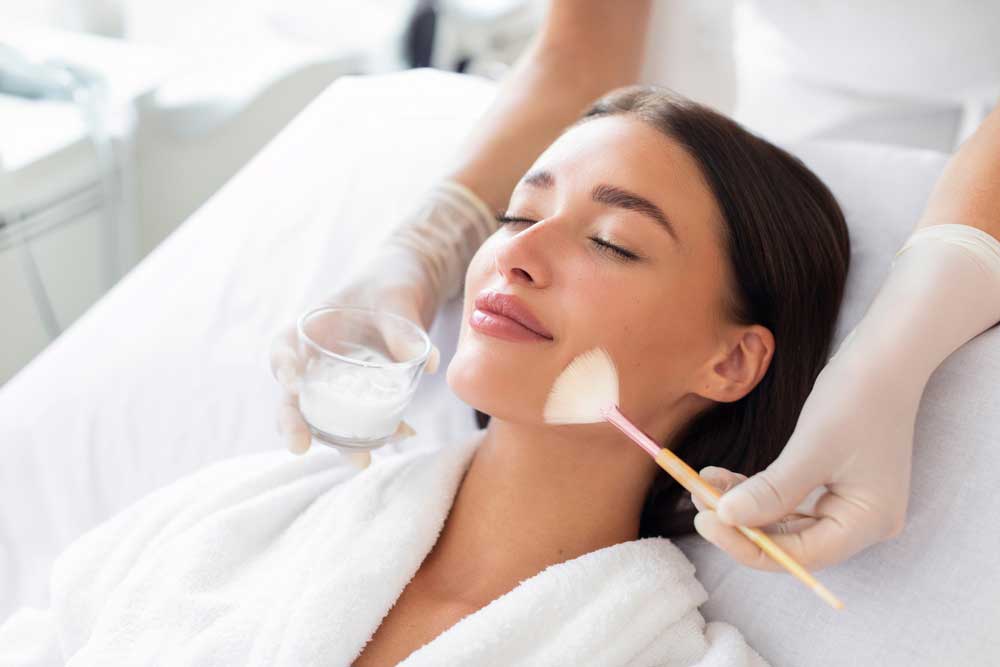
How Do Chemical Peels Work on Sensitive Skin?
Chemical peels use specially formulated exfoliating ingredients to loosen and remove damaged surface skin cells. Depending on the formulation, they may help improve dullness, uneven texture, clogged pores, mild pigmentation, and acne-related concerns. The key for sensitive skin is avoiding an overly aggressive treatment that could lead to excessive dryness, redness, or discomfort.
Choosing a Gentle Peel
Not every chemical peel is appropriate for every skin type. Sensitive skin generally benefits from a milder formulation and a carefully controlled application. A suitable treatment may focus on gradual exfoliation rather than intensive peeling. This approach can help refresh the skin while reducing the likelihood of unnecessary irritation.
For acne-prone skin, the choice of ingredients also matters. Certain exfoliating acids may help clear excess oil and dead skin cells that contribute to blocked pores. However, active breakouts, skin sensitivity, and previous reactions should all be considered before treatment.
Can Chemical Peels Help Acne-Prone Skin?
Acne-prone skin often develops congestion when oil, dead cells, and impurities accumulate inside pores. Chemical exfoliation can help improve the appearance of clogged pores and uneven texture by encouraging the removal of surface buildup. With an appropriate treatment plan, peels may also make the skin appear smoother and more refreshed.
Supporting Clearer-Looking Skin
One of the appealing benefits of a properly selected peel is its ability to address more than one concern at a time. Along with improving surface texture, exfoliation may help reduce the appearance of post-acne discoloration and dullness. This can make the complexion look more even over time.
However, chemical peels are not a universal solution for every type of acne. Severe inflammation, open lesions, or significantly irritated skin may require a different approach. Treating compromised skin too aggressively can potentially worsen irritation rather than improve it.
What Makes Chemical Peels Safer for Sensitive Skin?
Customization is one of the most important factors in achieving a comfortable treatment experience. Skin condition, sensitivity level, current skincare routine, and the specific concern being treated should all influence the choice of peel.
Midway through your skincare journey, choosing a reputable setting such as Dynamic Clinic can help ensure that treatment planning focuses on your individual skin needs rather than applying the same approach to everyone. A gradual strategy can be especially valuable for sensitive complexions because the goal is to improve the skin without overwhelming its natural protective barrier.
Why Skin Preparation Matters
Preparing the skin properly can make a difference in how comfortably it responds to exfoliation. Depending on individual needs, certain active skincare products may need to be adjusted before a peel. It is also important to avoid unnecessary irritation from harsh scrubs, excessive exfoliation, or picking at blemishes.
After treatment, gentle skincare becomes equally important. Using a mild cleanser, nourishing moisturizer, and broad-spectrum sunscreen can help support the skin barrier and protect the newly exfoliated surface.
What Should You Expect After a Peel?
A mild peel may cause temporary tightness, mild redness, dryness, or light flaking. These effects can vary depending on the formulation and individual skin response. It is important not to pick or peel away loose skin, as doing so may increase irritation.
Sun protection is particularly important after exfoliation. Freshly treated skin can be more vulnerable to environmental exposure, so consistent sunscreen use can help protect the complexion and reduce the chance of unwanted pigmentation.
When Should You Avoid a Chemical Peel?
A chemical peel may not be appropriate when the skin is severely irritated, sunburned, wounded, or experiencing certain active conditions. People who frequently experience strong reactions to skincare products should also take extra care when considering exfoliating treatments.
A thoughtful approach begins with understanding your skin rather than chasing the strongest possible result. For sensitive and acne-prone complexions, gradual improvement is often more beneficial than aggressive exfoliation.
Achieving Balanced, Healthier-Looking Skin
Chemical peels can be a useful part of a skincare routine when they are selected and performed appropriately. For sensitive skin, gentler options and controlled treatment schedules can help minimize unnecessary irritation. For acne-prone skin, carefully chosen exfoliation may support clearer-looking pores, smoother texture, and a more even complexion.
Ultimately, the safest approach is personalized. Instead of assuming that every peel will work the same way, consider your skin's sensitivity, acne activity, pigmentation concerns, and current skincare routine. With appropriate preparation and aftercare, Chemical Peels can provide a refreshed, smoother, and brighter-looking complexion while respecting the needs of sensitive and acne-prone skin.
