Are All High-Security Locks Really Difficult to Bypass?
Author : maddy smith | Published On : 13 Oct 2026
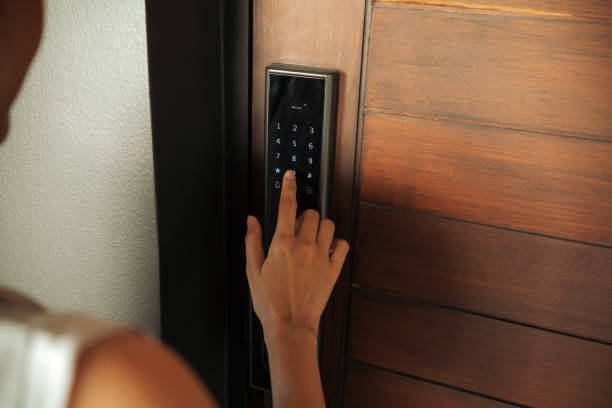
High-security locks are designed to provide better protection against unwanted entry. They often use stronger materials, advanced locking systems, and special keys that are harder to copy. These features make them a popular choice for homeowners, landlords, business owners, and anyone who wants to improve property security. However, a common question remains: are all high-security locks really difficult to bypass?
The simple answer is no. High-security locks can offer excellent protection, but their resistance to bypass methods depends on their design, installation, condition, and the security of the entire door. Some locks provide better protection against picking, drilling, and forced entry than others. Even a well-designed lock may not offer the expected level of security if it is fitted incorrectly or used with a weak door.
Understanding how these locks work can help you choose the right option for your property. It can also help you recognize the limits of a lock and decide when professional advice may be useful.
What Makes a Lock High-Security?
A high-security lock is built to resist common methods of unauthorized entry. Unlike basic locks, which may offer limited protection against certain attacks, high-security models often include additional features that make tampering more difficult.
These features can include hardened metal components, restricted key systems, reinforced cylinders, and designs that resist drilling or manipulation. Some models also include special mechanisms that make it harder for someone to use an unauthorized key.
However, the term high-security does not mean every lock offers the same level of protection. Manufacturers use different designs and materials, and their products may be tested against different threats.
When comparing locks, it is helpful to look beyond the product name. Check the lock's tested resistance, key control features, build quality, and compatibility with your door. A lock with clear security ratings and reliable construction can be a better choice than one advertised with impressive claims but little supporting information.
Are High-Security Locks Impossible to Bypass?
No lock is completely impossible to bypass. High-security locks are designed to make unauthorized entry more difficult, increase the time and effort required, and discourage common attacks. However, their effectiveness depends on the method used and the condition of the complete locking system.
A lock may resist picking very well but provide less protection against drilling or physical force. Another model may have strong resistance to drilling but depend on a key system that does not offer good protection against unauthorized duplication.
This is why it is important to understand what a lock is designed to resist. A product that performs well against one type of attack may not be equally effective against another.
The goal is not to find a lock that guarantees complete protection. Instead, choose a system that offers suitable resistance to the risks your property may face.
Common Factors That Affect Lock Security
The strength of a high-security lock depends on more than its internal mechanism. Several factors can affect how well it protects a door.
Lock Design and Materials
The materials used in a lock can influence its resistance to damage. Strong metal components and reinforced cylinders may help protect against drilling, impact, and other forms of physical attack.
The internal design also matters. Some locks use mechanisms intended to make unauthorized manipulation more difficult. Others include protective features that help prevent common forms of tampering.
However, a strong exterior does not automatically mean the entire lock is secure. The cylinder, housing, key mechanism, and supporting hardware should all work together.
Quality of Installation
Even a well-made lock can become a weak point when it is installed incorrectly. Poor alignment may cause the bolt to catch, prevent the door from closing properly, or place unnecessary pressure on internal components.
Incorrect fitting can also leave parts of the locking system more exposed than intended. These issues may reduce security and affect the lock's everyday performance.
Professional installation helps ensure that the lock fits the door correctly, the bolt engages properly, and the hardware works as designed. It also gives the installer an opportunity to identify weaknesses around the door frame.
Condition of the Lock
Locks experience regular wear through daily use. Dirt, corrosion, damaged keys, and worn internal parts can affect how smoothly a mechanism operates.
A lock that sticks or requires unusual force to turn may need attention. Although these symptoms do not always indicate a security problem, they should not be ignored.
Regular inspection can help identify problems before the lock becomes difficult to operate or fails completely. If a lock shows visible damage or continues to malfunction, a qualified locksmith can assess whether repair or replacement is the better option.
Door and Frame Strength
A strong lock cannot compensate for a weak door or damaged frame. If the surrounding structure is poorly fitted, worn, or damaged, it may become the weakest part of the entrance.
The strike plate, screws, hinges, and frame all contribute to the overall security of a door. Reinforcing these components can help the locking system perform as intended.
For this reason, improving security should involve checking the complete entrance rather than focusing only on the lock cylinder.
Can High-Security Locks Resist Picking?
Many high-security locks are designed to make picking more difficult. They may use complex internal components, specialized pin arrangements, or other features intended to limit unauthorized manipulation.
These designs can require greater skill and specialized tools to defeat than basic locks. Some models also include mechanisms intended to make tampering easier to detect.
However, resistance to picking varies between products. A lock's reputation alone is not enough to establish how well it will perform. The design, quality of manufacture, and independent testing results provide more useful information.
It is also important to remember that picking is only one possible method of unauthorized entry. A lock that offers strong resistance to picking may still need additional protection against physical attacks or weaknesses in the surrounding door.
When choosing a lock, consider its overall security performance rather than relying on one feature.
Do High-Security Locks Prevent Drilling?
Some high-security locks include hardened components or protective inserts that help resist drilling. These features can make certain attacks more difficult and may prevent easy access to sensitive internal parts.
However, not every high-security lock offers the same level of protection. The type of materials used, the cylinder design, and the placement of protective components can influence performance.
The door hardware also plays a role. A strong cylinder installed in a poorly reinforced door may not provide the level of protection you expect.
If drilling resistance is important to you, review the manufacturer's specifications and look for independent testing or recognized security certifications. A qualified locksmith can also help identify a lock that matches the security needs of your property.
How Restricted Keys Improve Security
Key control is another important feature of many high-security locking systems. Traditional keys may be easier to duplicate than keys supplied through a restricted key system.
Restricted key systems are designed to limit unauthorized duplication. Depending on the system, copying may require authorization and access to an approved key supplier.
This can be useful for households, rental properties, offices, and businesses where several people need access. It helps property owners maintain better control over who can obtain additional keys.
However, restricted keys do not make a lock impossible to bypass. They mainly address key duplication and access management rather than every possible security threat.
Good key control also depends on responsible management. Keep track of who has keys, collect them when access permissions change, and review the locking arrangements after staff departures or changes in occupancy.
Why the Whole Door Matters More Than the Lock Alone
It is easy to assume that buying an expensive lock will solve every security concern. In reality, the lock is only one part of a larger system.
A door with a weak frame, damaged hinges, or an unsuitable strike plate may remain vulnerable even when fitted with a high-security cylinder. Glass panels near the lock can also create security concerns depending on their design and placement.
A complete security assessment should consider the following areas:
-
The strength and condition of the door.
-
The quality of the lock and cylinder.
-
The condition of the door frame and strike plate.
-
The security of hinges and supporting hardware.
-
The presence of nearby glass or other vulnerable entry points.
-
The way keys are issued, stored, and returned.
Addressing these areas together can provide better protection than upgrading the lock alone.
For homes and businesses, a layered approach is often the most practical option. A suitable lock, a reinforced door frame, good lighting, and sensible access management can work together to reduce security risks.
How to Choose the Right High-Security Lock
Choosing a high-security lock begins with understanding what you need it to protect. A front entrance may have different requirements from an internal office door, a storage room, or a commercial entrance.
Start by considering the type of door, the level of daily use, and the risks associated with unauthorized access. Then compare locks based on their tested performance, construction, key control features, and compatibility with your existing hardware.
It is also helpful to check whether the lock has been independently tested or certified under a recognized standard. Certifications can provide useful evidence of performance, although you should confirm which threats and requirements the certification covers.
Avoid making a decision based only on price or marketing language. A more expensive product is not automatically the best choice for every property.
A professional locksmith can inspect your door, explain the available options, and recommend a suitable system. This can help prevent problems caused by incompatible hardware or incorrect installation.
When Should You Replace a High-Security Lock?
High-security locks can provide long-term service, but there are situations where replacement may be appropriate.
A lock may need attention after physical damage, repeated operating problems, or a failed security assessment. Replacement may also be worth considering when keys have been lost, access permissions have changed, or there is uncertainty about who can enter the property.
In some cases, rekeying may provide a suitable alternative to replacing the entire lock. Rekeying changes the lock's internal configuration so that existing keys no longer operate it, while replacement involves installing a different lock or cylinder.
The right choice depends on the lock's condition, the type of key system, and the level of security required. A locksmith can explain whether rekeying is possible and whether it offers adequate protection.
If you cannot secure the door properly, or the lock has suffered obvious damage, arrange an inspection rather than relying on a faulty mechanism.
Why Professional Locksmith Services Matter
Selecting and installing a high-security lock can involve more than fitting a new piece of hardware. The locksmith needs to consider the door type, cylinder compatibility, frame condition, and the way the lock operates.
Professional assistance can help you avoid installation errors and identify weaknesses that may otherwise go unnoticed. A locksmith can also explain how to maintain the lock and manage keys more effectively.
When looking for a 24 hour locksmith aventura, consider whether the service can respond to urgent lock problems and explain the available solutions clearly.
Choosing the best locksmith aventura also means looking at experience, customer feedback, service transparency, and the ability to work with suitable high-security products.
Reliable aventura locksmith services should assess the condition of the existing hardware before recommending repairs or upgrades. This helps ensure that the proposed solution addresses the actual problem instead of replacing parts unnecessarily.
A professional locksmith aventura can also help you compare different lock designs, understand their limitations, and select hardware that matches your security needs.
For ongoing peace of mind, a trusted locksmith aventura can provide advice on maintenance, key control, lock replacement, and improvements to the surrounding door hardware.
Final Thoughts
Are all high-security locks really difficult to bypass? Many offer better resistance to common attacks than basic locks, but their performance varies according to design, materials, installation, and the condition of the complete door.
A strong lock is a useful part of property security, but it should not be treated as a complete solution on its own. The door frame, strike plate, hinges, key management, and installation quality also affect the level of protection available.
Before buying a new lock, compare its tested security features and consider the risks you want to address. Professional advice can help you make a suitable choice, avoid installation problems, and improve the security of your entrance.
The best approach is to combine a well-designed lock with sound door hardware, regular maintenance, and responsible key management. These measures can make unauthorized entry more difficult while helping your locking system remain reliable during everyday use.
Frequently Asked Questions
Are high-security locks better than standard locks?
High-security locks often provide stronger resistance to picking, drilling, and unauthorized key duplication than basic locks. However, performance depends on the model and its tested features. The surrounding door and frame also need to be strong enough to support the lock.
Can a high-security lock be picked?
Some high-security locks are designed to make picking more difficult through specialized internal mechanisms and protective features. However, resistance varies between models, and no lock should be considered completely impossible to bypass. Independent testing can help you compare their performance.
How long do high-security locks last?
The lifespan of a high-security lock depends on its construction, installation, maintenance, and frequency of use. Quality locks can provide reliable service for many years, but worn components, corrosion, damage, or operating problems may make repair or replacement necessary.
Is it better to replace a lock or have it rekeyed?
Rekeying can be suitable when the existing lock is in good condition but you want to prevent old keys from working. Replacement may be better when the lock is damaged, outdated, incompatible with your security needs, or unable to provide the required features.
Can a locksmith help improve high-security lock protection?
Yes. A qualified locksmith can inspect the lock, door frame, strike plate, and supporting hardware. They can recommend suitable upgrades, correct installation problems, and explain key management options. This helps ensure that the locking system provides appropriate protection for the property.
