AI in Freight Routing: C-Suite Guide for Optimization
Author : Jessica Hall | Published On : 16 Jun 2026
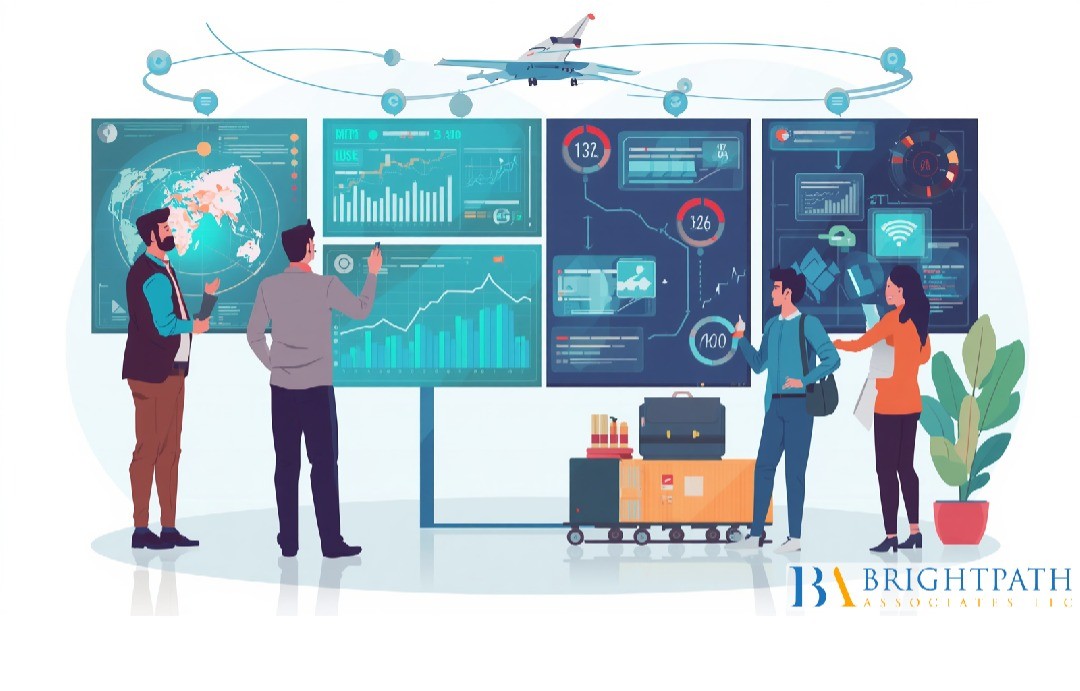
The freight industry has entered a new era where operational efficiency is no longer just a back-office objective—it's a boardroom priority. Rising fuel prices, increasing customer expectations, labor shortages, supply chain disruptions, and tightening delivery windows have created unprecedented pressure on small to mid-sized freight organizations across the United States. In this environment, relying solely on traditional dispatching methods and historical routing practices may no longer be enough to maintain profitability and customer satisfaction. Artificial Intelligence (AI) is rapidly emerging as a strategic tool that enables organizations to navigate these challenges while creating sustainable competitive advantages.
For decades, freight routing decisions were primarily based on dispatcher experience, static planning systems, and manual adjustments. While these approaches helped businesses move goods efficiently, they often struggled to adapt to changing circumstances. Traffic congestion, unexpected weather events, driver availability, and shifting customer demands can alter the most carefully planned routes within minutes. AI-powered routing solutions offer a fundamentally different approach by processing vast amounts of real-time and historical data simultaneously to determine the most effective course of action.
Rather than reacting to disruptions after they occur, AI allows freight companies to become proactive. Intelligent routing platforms evaluate traffic patterns, weather conditions, delivery schedules, driver hours-of-service requirements, fuel consumption trends, vehicle availability, and historical shipment performance to continuously optimize decisions. By doing so, businesses can reduce unnecessary mileage, improve delivery accuracy, and increase operational agility.
For C-suite executives, the appeal of AI extends far beyond technology adoption. It is about improving financial performance and strengthening customer relationships. Fuel remains one of the largest operational expenses in freight transportation, and even small improvements in route efficiency can significantly impact the bottom line. Industry reports indicate that AI-driven route optimization can meaningfully reduce transportation costs by minimizing idle time, eliminating inefficient routes, and enabling faster responses to changing road conditions. Organizations that embrace these capabilities often discover that operational savings accumulate quickly while service quality improves simultaneously.
Customer expectations have also evolved dramatically. Today's clients expect transparency, speed, and reliability throughout the delivery process. A delayed shipment can affect production schedules, disrupt inventory planning, and damage trust that took years to build. AI-powered systems enhance visibility by generating more accurate estimated arrival times and dynamically adjusting routes when disruptions occur. This ability to consistently meet commitments not only strengthens customer satisfaction but also contributes to long-term client retention.
Another important advantage lies in maximizing asset utilization. Every underused truck represents untapped revenue potential. Intelligent routing systems enable organizations to deploy vehicles more effectively, optimize load distribution, and reduce empty miles. The result is improved fleet productivity without necessarily increasing the number of assets on the road. For businesses operating with tight margins, these incremental gains can create substantial financial value over time.
Despite these benefits, many leaders remain cautious about implementation. Some executives view AI as another temporary trend, while others worry about integration complexity, employee resistance, or uncertain returns on investment. These concerns are understandable. However, successful organizations increasingly recognize that AI is not intended to replace experienced dispatchers or operations professionals. Instead, it enhances their expertise by providing data-driven recommendations and identifying patterns that humans may overlook when managing multiple variables simultaneously.
The most effective freight organizations combine technological innovation with human judgment. Experienced professionals continue to play a vital role in interpreting exceptions, managing relationships, and making strategic decisions. AI simply equips them with better information, enabling faster and more informed choices.
Leadership commitment often determines whether digital transformation initiatives succeed or fail. Organizations considering AI adoption should begin by clearly defining their objectives. Are they seeking to reduce fuel expenses, improve on-time delivery rates, increase fleet utilization, or elevate customer satisfaction? Establishing measurable goals creates a framework for evaluating success and aligning investments with business priorities.
Equally important is investing in change management. Employees must understand how new technologies support their work rather than threaten it. Transparent communication, targeted training, and leadership involvement can significantly improve adoption rates. Data quality should also be prioritized because AI systems rely heavily on accurate and comprehensive information. Businesses that maintain clean operational data are better positioned to realize the full benefits of intelligent routing solutions.
For many small and mid-sized enterprises, starting with pilot programs may be the most practical approach. Testing AI within a specific region, fleet segment, or delivery lane allows organizations to identify opportunities, refine processes, and build confidence before scaling implementation across the enterprise.
As freight operations become increasingly sophisticated, another reality is emerging: technology alone cannot drive transformation. Businesses require leaders capable of balancing operational excellence with innovation. The growing demand for executives who understand logistics, digital transformation, and strategic execution presents both a challenge and an opportunity for organizations seeking long-term growth.
At BrightPath Associates LLC, we understand the unique workforce demands shaping today's logistics landscape. Through our expertise in the Packaging and Freight Industry, we help small to mid-sized enterprises identify and secure leaders equipped to navigate disruption, embrace innovation, and deliver measurable business results. Building future-ready teams has become just as important as investing in the right technologies.
The future of freight routing will continue to evolve toward predictive, adaptive, and intelligent decision-making. Organizations that delay exploration may find themselves reacting to changes that competitors have already anticipated and leveraged. The question is no longer whether AI will transform freight operations—it already is. The real question is whether leadership teams are prepared to embrace this transformation strategically and proactively.
For executives interested in gaining deeper insights into the role of intelligent routing technologies in modern logistics, BrightPath Associates' original analysis, AI in Freight Routing for Optimization, provides additional perspectives on leveraging AI to enhance efficiency, resilience, and profitability across freight operations.
How is your organization approaching AI adoption within freight operations? Are you leading the conversation around innovation, or waiting for competitors to demonstrate its value first? What challenges do you foresee in integrating intelligent technologies into your existing processes?
Share your thoughts, experiences, and questions in the comments below. Meaningful conversations often spark the ideas that drive industry transformation.
